A water spot spreading across the ceiling at 10 p.m. is not a problem that can wait for a convenient appointment. Emergency roof leak repair is about protecting your home or commercial property from the next layer of damage: soaked insulation, weakened drywall, damaged electrical systems, mold growth, and compromised framing.
For property owners throughout New Jersey and the Tri-State area, fast action matters. But fast does not mean taking unsafe risks. The goal is to control water inside, prevent further exposure outside when it can be done safely, and get a qualified roofing professional involved before a small opening becomes an expensive restoration project.
What to Do First When Your Roof Starts Leaking
Start inside the building. Move furniture, electronics, rugs, inventory, and other valuables away from the leak. Place buckets or waterproof containers under active drips, then protect the surrounding floor with towels or plastic sheeting if available. If water is collecting in a ceiling bulge, do not ignore it. A sagging ceiling can collapse under the weight of trapped water.
If it is safe to do so, place a bucket below the lowest point of the bulge and carefully puncture that point with a small tool. This controlled release can prevent water from spreading across a larger section of ceiling. Keep clear of light fixtures, outlets, and electrical equipment. If water is near electrical wiring or a fixture, turn off power to the affected area at the breaker only if you can do so without standing in water. When in doubt, leave electrical concerns to a qualified professional.
For most owners, four immediate priorities make the difference:
- Contain water and protect belongings below the leak.
- Document the damage with clear photos and video for insurance records.
- Avoid going onto a wet, icy, steep, or storm-damaged roof.
- Call a licensed, insured roofing contractor for prompt assessment and temporary protection.
Do not assume the visible drip marks the actual source. Water can enter near a chimney, vent, skylight, damaged shingle, or flashing detail, then travel along roof decking or rafters before appearing several feet away indoors.
Why Emergency Roof Leak Repair Cannot Wait
A roof leak rarely stays limited to one spot. Even a slow drip can saturate attic insulation, stain ceilings, soften drywall, and create conditions where mold can develop. In a commercial property, an active leak can also disrupt tenants, damage equipment, create slip hazards, and affect business operations.
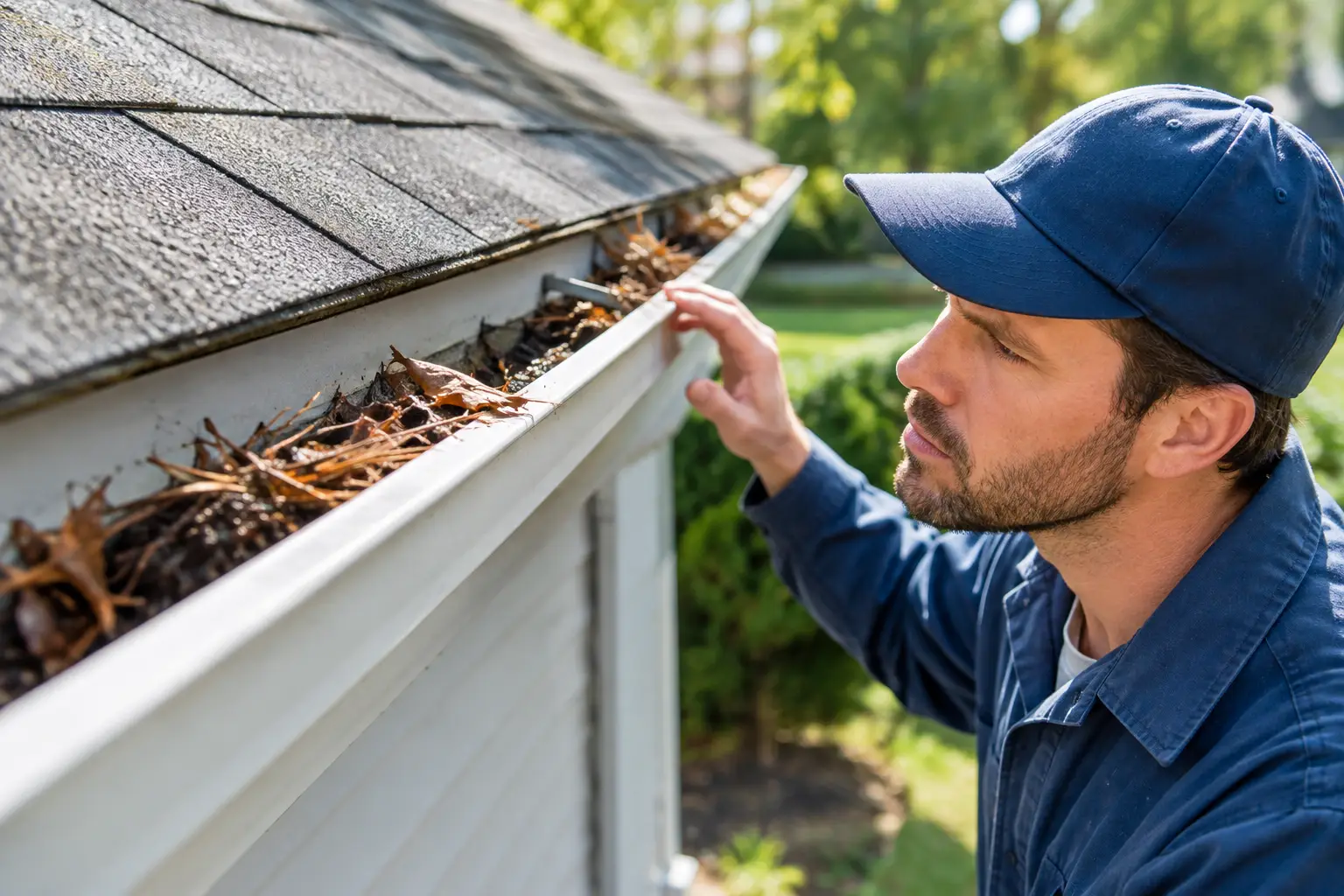
Storms are a common cause, especially when high winds lift shingles or blow rain beneath vulnerable flashing. However, leaks also occur during ordinary rainfall when an aging roof has cracked seals, missing shingles, worn pipe boots, deteriorated chimney flashing, clogged gutters, or a failing skylight seal. Ice dams can create another serious winter problem by forcing melting water back beneath roof coverings.
The right repair depends on the source and the condition of the surrounding roof system. Replacing one shingle may be enough after a small, isolated wind event. A leak around a chimney may require new flashing and masonry attention. If the roof deck has been wet repeatedly, the contractor may need to replace damaged wood before installing new roofing materials. A responsible roofer should explain that difference clearly instead of applying a quick patch and calling the job complete.
Safe Temporary Measures During a Storm
The safest temporary repair is often one performed from inside the attic or from the ground by a trained crew. Property owners should not climb onto a roof during rain, high winds, lightning, snow, or darkness. Wet shingles are slippery, and storm damage can make the roof surface unstable without warning.
If you can access the attic safely, look for wet insulation, dripping roof decking, or daylight showing through a roof penetration. Do not step on ceiling drywall between joists. Use a flashlight, take photos from a stable position, and place a container beneath dripping water where possible. If insulation is saturated, avoid compressing or moving it until the leak is addressed and the area can be properly dried.
From the exterior, check only from the ground. Look for missing shingles, fallen branches, displaced flashing, loose gutters, or visible damage around chimneys and skylights. These observations help the roofing team prepare, but they are not a substitute for a close inspection.
Emergency tarping can be an effective short-term measure when installed correctly. It is not a permanent repair, and an improperly secured tarp can create new hazards or allow wind-driven water underneath. A professional crew can determine whether a tarp, temporary seal, or immediate repair is appropriate based on weather conditions and the roof’s accessibility.
How Professionals Find the Real Source of a Leak
A dependable emergency roof leak repair visit should begin with investigation, not guesswork. A trained roofer examines the visible interior damage, attic conditions, roof covering, flashing, penetrations, drainage paths, and nearby exterior components. In many cases, the leak involves more than roofing alone.
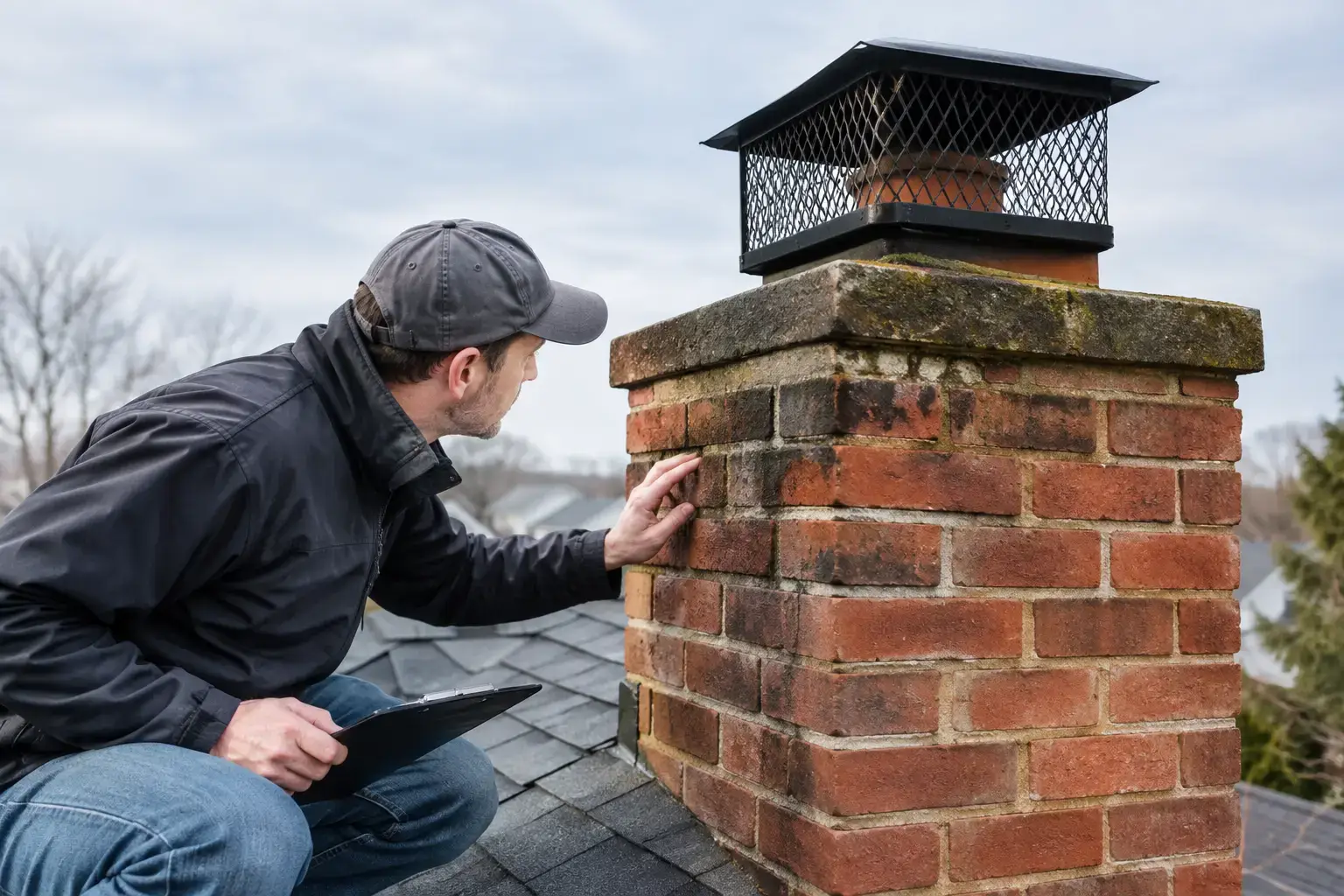
For example, deteriorated chimney mortar or cracked crown concrete can allow water into the structure near the roofline. Overflowing gutters may send water behind fascia boards. A skylight can leak because of failed flashing rather than the skylight unit itself. These distinctions matter because sealing the wrong spot may stop the drip briefly while leaving the underlying failure in place.
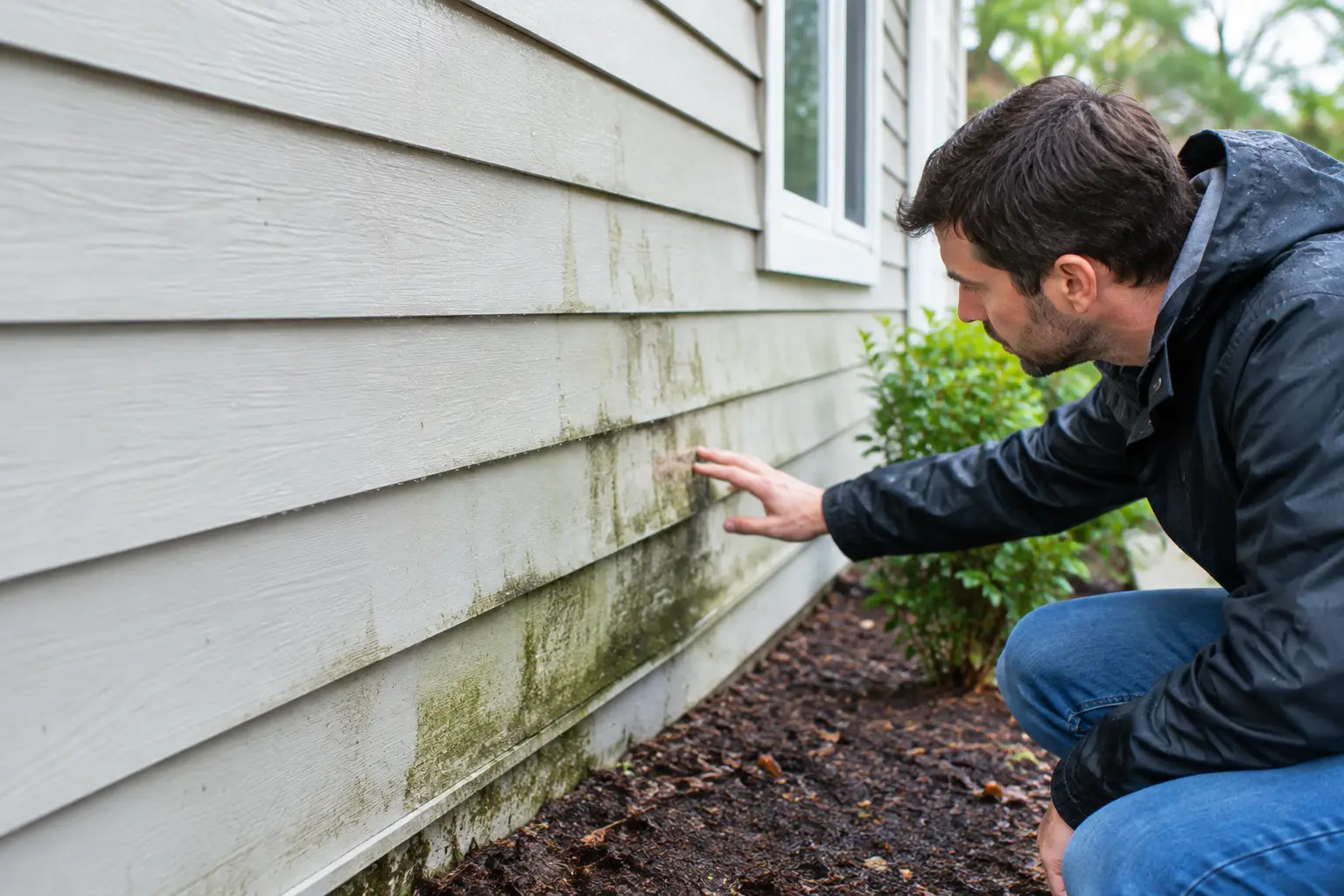
The contractor should also inspect for concealed damage. Wet sheathing can lose strength over time, and repeated moisture exposure may affect framing, insulation, and interior finishes. For owners of older homes or investment properties, this inspection is especially valuable because deferred maintenance often allows several small vulnerabilities to develop at once.
Repair Now or Plan for Roof Replacement?
Not every emergency leak means you need a new roof. A focused repair is often the right investment when the roof is otherwise in good condition, the damage is isolated, and the decking remains sound. Replacing damaged shingles, correcting flashing, repairing a pipe boot, or resealing a penetration can restore dependable protection without unnecessary work.
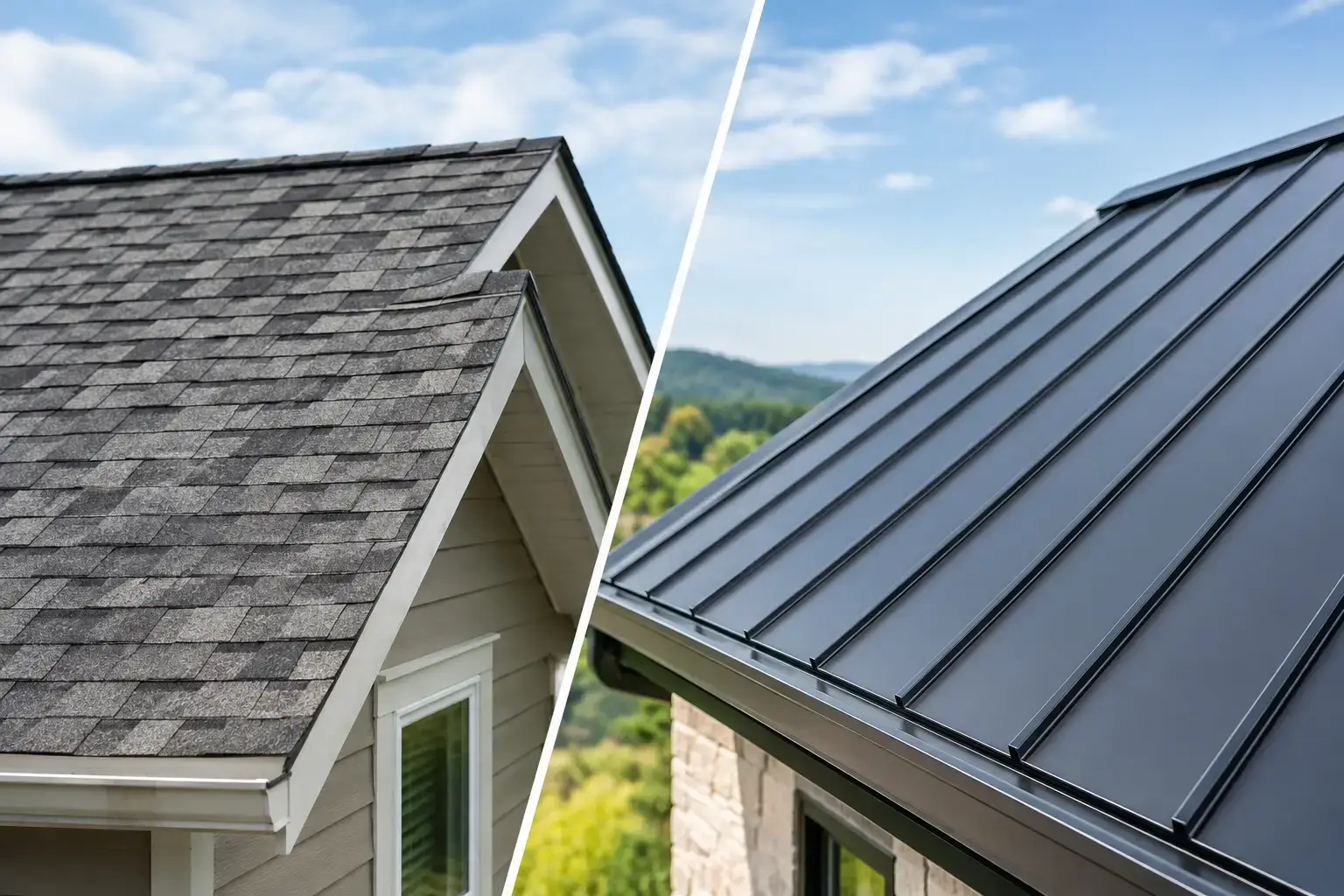
Replacement becomes more practical when leaks are recurring, shingles are broadly worn or curling, granules are heavily shedding, or multiple repairs have already been made. A roof nearing the end of its service life can continue to demand emergency calls after every severe storm. In that situation, a complete replacement may offer better long-term value, stronger weather protection, and clearer warranty coverage.
The decision should be based on evidence, not pressure. Ask for photos of the issue, a clear explanation of the repair scope, material options, and an estimate that distinguishes urgent stabilization from recommended future work. Transparent communication gives you room to make the right decision for your property and budget.
Questions to Ask Before Approving Emergency Work
During an urgent situation, it is reasonable to focus on stopping the leak first. Still, a few direct questions help protect your investment. Confirm that the contractor is licensed and insured, ask what temporary measures are needed immediately, and find out whether the proposed repair addresses the source rather than only the visible symptom.
You should also ask whether damaged decking, flashing, gutters, chimney components, or skylight details were found. Request a written scope of work and understand what workmanship coverage applies after the repair. For insurance-related damage, keep copies of photos, estimates, invoices, and any emergency mitigation work completed.
American Supreme Construction provides responsive exterior repair services with a safety-focused approach, clear estimates, premium materials, and experienced craftsmanship for homeowners and commercial property owners across New Jersey and nearby Tri-State communities.
Preventing the Next Roof Leak
Once the immediate issue is under control, schedule a full roof and exterior check rather than waiting for the next storm. Small concerns are easier and less costly to address before water enters the building. Pay particular attention to flashing around chimneys and skylights, roof valleys, pipe penetrations, aging sealants, loose gutters, and branches hanging over the roof.
Keep gutters clear so water can move away from the roof edge, and address masonry cracks or deteriorated chimney components before they direct moisture toward the roof system. After major wind, hail, or heavy snow events, a professional inspection can identify lifted shingles and damaged details that may not be visible from the ground.
A roof is your property’s first line of defense against the weather. When a leak appears, protect the space below, avoid unsafe DIY roof access, and get a qualified professional involved quickly. Timely action can turn a stressful night of dripping water into a controlled repair that protects your property for years ahead.