A roof replacement usually becomes urgent at the worst possible time: after a windstorm lifts shingles, a ceiling stain appears, or an aging roof begins losing granules into the gutters. When comparing architectural shingles versus metal roofing, New Jersey property owners are not simply choosing a color or style. They are deciding how their home or building will handle rain, wind, snow, heat, maintenance, and long-term ownership costs.
Both materials can be excellent choices when installed correctly. The better option depends on your budget, roof design, neighborhood style, expected length of ownership, and the condition of the structure underneath. A careful inspection should always come before a material recommendation, especially when leaks, damaged decking, chimney flashing, or ventilation problems may be part of the project.
Architectural Shingles Versus Metal Roofing: The Main Difference
Architectural shingles are laminated asphalt shingles with a thicker, dimensional appearance than basic three-tab shingles. They are the most common roofing choice for homes across New Jersey because they offer dependable protection, broad color selection, and a lower upfront cost than metal.
Metal roofing uses panels or shingles made from steel, aluminum, or other coated metal products. It costs more at installation, but it is known for exceptional longevity, strong wind resistance, and low maintenance needs. Standing seam metal roofs, with their clean vertical lines and concealed fasteners, are especially popular for homeowners who want a modern appearance and long service life.
The decision is not as simple as choosing the material that lasts longest. A roof is a complete system. Underlayment, ice-and-water protection, ventilation, flashing, drainage, insulation, and installation quality all affect how well it performs. Premium materials cannot compensate for shortcuts around valleys, skylights, chimneys, or wall intersections.
Upfront Cost and Long-Term Value
For many homeowners, architectural shingles make the most financial sense at the time of replacement. They generally cost substantially less than metal roofing, both in materials and labor. This can be particularly helpful for rental properties, homes being prepared for sale, or projects where the roof replacement is one part of a larger exterior renovation.
Metal roofing requires a higher initial investment. Panel fabrication, specialized trim, detailed flashing, and skilled installation all add to the project cost. However, a properly installed metal roof can often last several decades longer than an asphalt shingle roof. For an owner planning to stay in the property long term, that durability can change the value calculation.
It also depends on the roof itself. A simple gable roof is more straightforward to install in either material. A roof with multiple valleys, dormers, skylights, chimneys, low-slope sections, or complicated transitions requires more labor and careful waterproofing. On a complex roof, the price difference between architectural shingles and metal may be more significant.
Homeowners should compare complete estimates, not just a price per square. A transparent proposal should explain tear-off, decking repairs if needed, underlayment, flashing, ventilation, disposal, permit support, and warranty coverage. The lowest estimate can become expensive if critical components are omitted at the start.
Weather Protection for New Jersey Roofs
Tri-State weather asks a lot of every roof. Heavy rain, freeze-thaw cycles, wet snow, summer humidity, wind-driven storms, and occasional ice buildup can expose weak installation details quickly.
Architectural shingles provide reliable protection when they are installed with the correct underlayment, starter courses, flashing, and ventilation. Many quality shingle products are rated for high winds, and their textured profile suits traditional homes throughout Bergen, Essex, Morris, Hudson, and surrounding counties. If a storm damages a limited area, shingles can also be easier to repair or replace in sections.
Metal roofing performs very well against wind, rain, and snow. Its interlocking panel design sheds water quickly, and its smooth surface can help snow slide off rather than remain on the roof. That benefit needs planning, though. On entryways, driveways, walkways, decks, or lower roof sections, snow guards may be needed to manage sliding snow safely.
Neither roof type is automatically leak-proof. Metal roofs can leak when fasteners, seams, penetrations, or flashing are installed incorrectly. Shingle roofs can leak when wind tears tabs, ice dams push water beneath the covering, or flashing deteriorates. The workmanship behind the materials remains one of the most important protections for your property.
Ice Dams and Ventilation Still Matter
Ice dams are often blamed entirely on the roof covering, but they are frequently tied to heat loss and poor attic ventilation. When warm air escapes into the attic, it can melt snow on the upper roof. The water then refreezes near colder eaves, creating a dam that may force water under shingles or into vulnerable areas.
A roof replacement is a smart time to evaluate attic ventilation, insulation, intake and exhaust airflow, and ice-and-water membrane placement. Whether you choose asphalt or metal, correcting these conditions helps protect the roof system and can reduce the risk of interior water damage.
Lifespan, Maintenance, and Repairs
A quality architectural shingle roof commonly provides around 20 to 30 years of service, depending on the product, local exposure, ventilation, maintenance, and installation. Trees rubbing on the roof, clogged gutters, excessive moss, and repeated storm damage can shorten that lifespan.
Metal roofing can often last 40 to 70 years or more, depending on the material and coating. It resists rot, insects, and many forms of weather wear. For commercial property owners and homeowners who prefer fewer replacement cycles, that long service life is a meaningful advantage.
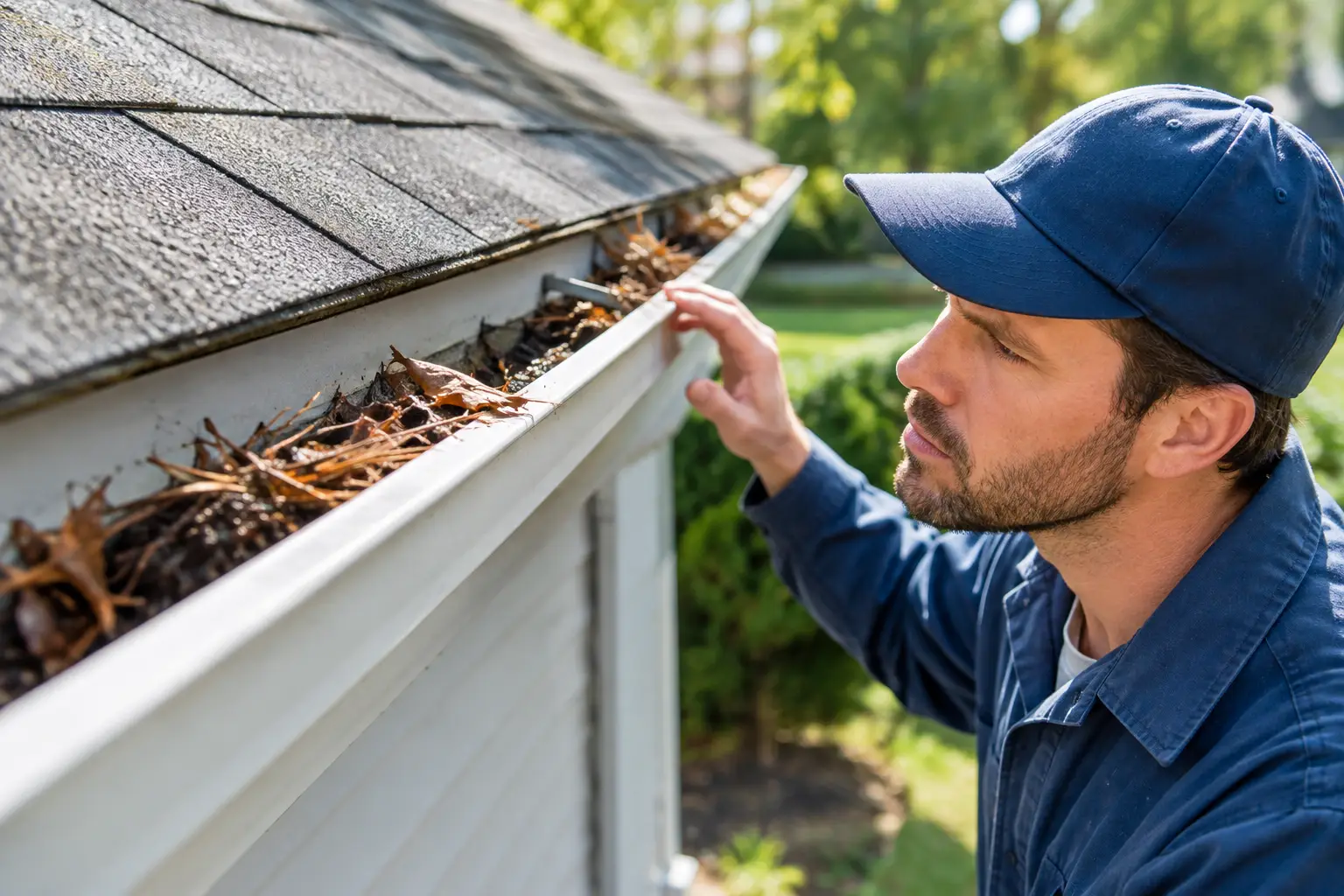
Maintenance is not zero for either option. Shingle roofs should be checked for missing or cracked shingles, exposed nails, granule loss, damaged flashing, and clogged gutters. Metal roofs should be inspected for damaged coatings, loose fasteners where applicable, sealant issues, and debris collecting in valleys or behind chimneys.
Repair considerations differ. Matching a replacement shingle to an older roof can be difficult after years of fading, but isolated repairs are usually practical. Metal panels may be more difficult to replace if they are long, interlocked, or discontinued. This is one reason experienced installation and accurate material planning matter from day one.
Curb Appeal, Style, and Resale Considerations
Architectural shingles offer the widest range of familiar residential looks. They work naturally with Colonial, ranch, Cape Cod, split-level, and traditional multifamily properties. Their layered design creates dimension without overwhelming the home, and available colors can complement brick, stone, siding, trim, and gutters.
Metal roofing creates a sharper architectural statement. Standing seam panels fit contemporary homes, renovated farmhouses, coastal-style properties, and buildings with clean rooflines. Metal can also be used as an accent over a porch, bay window, or addition while architectural shingles cover the main roof.
Resale value depends on the buyer, the neighborhood, and the quality of the installation. A new architectural shingle roof is widely understood and appreciated by buyers. A professionally installed metal roof may appeal to buyers looking for durability and lower future maintenance, but its higher cost does not always translate into a dollar-for-dollar increase in sale price.
When Architectural Shingles Are the Better Choice
Architectural shingles are often the right fit when you need strong weather protection at a more manageable upfront cost. They are a practical choice for standard residential roof designs, investment properties, and homes where preserving a traditional look is important. They also make sense when a replacement is needed quickly after storm damage and the existing roof design is well suited to shingles.
Choose a high-quality shingle system rather than focusing only on the shingle itself. Proper flashing, ventilation, and water protection at eaves and valleys will have a major impact on performance.
When Metal Roofing Is Worth the Investment
Metal roofing is often worth considering when you expect to own the property for decades, want the longest possible service life, or need a roof that stands up well to severe weather exposure. It can be especially appealing for homes with simple roof lines, modern designs, and owners who value lower long-term maintenance.
It may also be the better choice when energy performance is a priority. Certain metal finishes reflect more solar heat than dark asphalt surfaces, which can help reduce heat gain in warm weather. Results vary based on color, insulation, attic ventilation, and the rest of the home, so energy savings should be viewed as one factor rather than the sole reason to choose metal.
Start With the Roof You Have
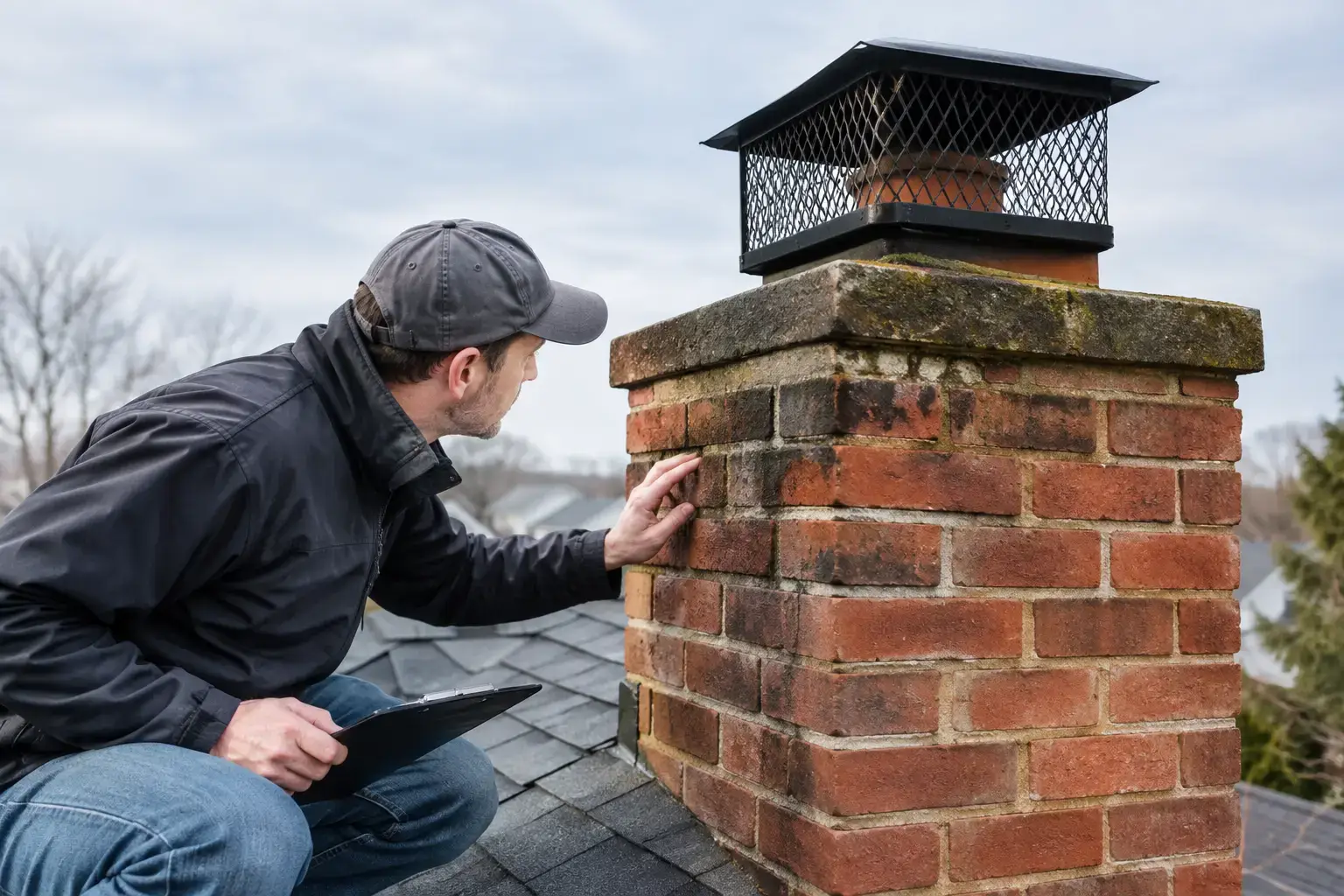
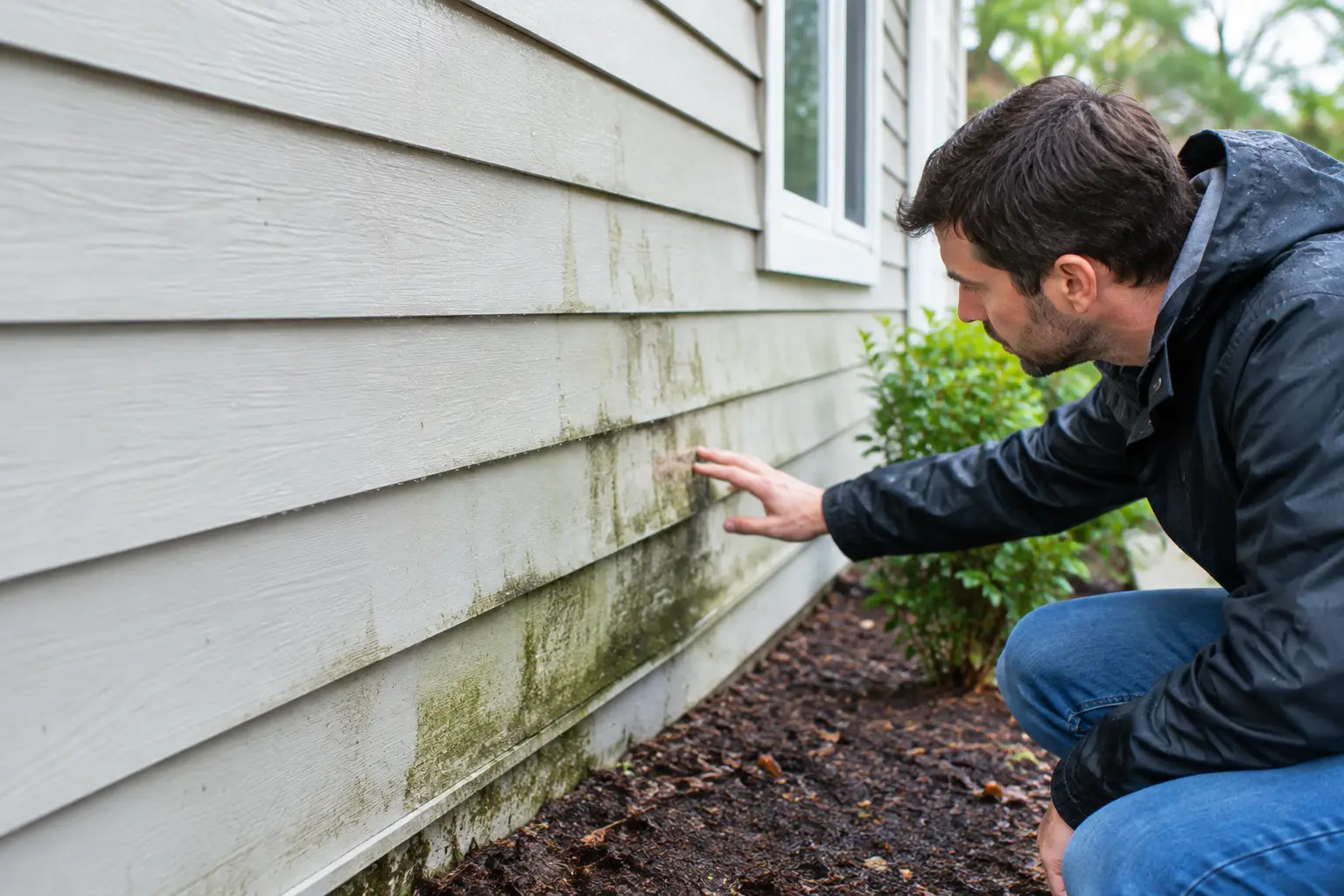
The best roofing decision starts with an honest assessment of the existing roof, not a sales pitch for one material. A professional inspection should identify active leaks, soft decking, failing flashing, drainage concerns, attic ventilation issues, and any chimney or siding conditions that could affect the new roof.
American Supreme Construction helps property owners make these decisions with clear estimates, quality materials, and experienced installation practices built around the needs of the structure. Whether shingles or metal are the better fit, the goal is the same: a properly installed roof that protects the people and investment beneath it for years to come.