A gutter system can look like a minor detail until the next hard New Jersey rain sends water over the edge, down the siding, and toward the foundation. Knowing when should gutters be replaced helps property owners act before a drainage problem becomes roof damage, basement moisture, masonry deterioration, or expensive structural repair.
Gutters are built to direct rainwater safely away from the building. When they are properly sized, securely fastened, and pitched correctly, they protect several parts of the property at once: the roofline, fascia boards, siding, landscaping, walkways, foundation, and lower-level spaces. When they fail, the warning signs are often visible. The key is knowing which problems can be repaired and which point to a system that has reached the end of its useful life.
When Should Gutters Be Replaced Instead of Repaired?
A single loose hanger, small seam leak, or isolated dent does not always require full replacement. A qualified contractor can often resecure a section, reseal a joint, correct the slope, or replace a damaged downspout. Repair is usually the sensible choice when the rest of the system is structurally sound and draining correctly.
Replacement becomes the better investment when defects are widespread, recurring, or tied to age and material failure. Patching several leaks each season may cost less in the moment, but it does not correct thin, corroded, poorly pitched, or undersized gutters. The same is true when water has already begun damaging the roof edge or the structure behind the gutters.
For many homes, gutters last roughly 20 years, though the timeline depends on the material, installation quality, local weather exposure, maintenance, and the amount of tree debris around the property. Aluminum gutters can provide long service with proper care. Steel may rust over time, while older vinyl can crack or become brittle after years of temperature changes. A professional inspection gives a more useful answer than age alone.
Signs Your Gutters Need Replacement
Cracks, holes, and separated joints
Small cracks may appear harmless on a dry day, but every opening allows water to escape where it should not. On a home with sectional gutters, leaking seams are especially common as sealant breaks down and sections shift. If leaks keep returning after repairs, or if there are cracks and holes in multiple runs, replacement is usually more reliable than repeated caulking.
Pay attention to water marks below the gutter line, drips from seams during rain, or wet soil directly beneath a joint. Those clues often reveal a problem before visible rot develops.
Sagging, pulling away, or standing water
Gutters should sit straight and stay firmly attached to the fascia. A sagging section can mean the hangers are failing, the gutter is overloaded, or the fascia board behind it has been weakened by moisture. If gutters pull away from the roofline, simply fastening them back into deteriorated wood will not solve the underlying issue.
Standing water is another concern. Gutters need a precise slope toward each downspout. Water that remains after rain can lead to corrosion, mosquito activity, added weight, and overflow during the next storm. Sometimes a pitch adjustment is enough. If the system has several low spots, warped sections, or chronic drainage problems, replacement is often the more durable solution.
Rust, peeling paint, or visible corrosion
Surface discoloration may be cosmetic, but rust is not. Rust indicates that the protective coating has failed and the metal is breaking down. Peeling paint, orange stains, pitting, and soft spots should be inspected promptly, particularly on older steel systems.
Corrosion can move quickly in seams and areas where wet leaves collect. Once metal has thinned, a repair may only postpone another leak. Replacing compromised sections or installing a new system can protect the roof edge before water reaches the wood framing.
Overflow during normal rainfall
Overflow does not always mean the gutters are worn out. Leaves, shingle grit, or ice buildup can block the channel or downspout. Cleaning may restore normal function. However, clean gutters that still overflow during ordinary rain may be too small, improperly pitched, or poorly designed for the roof area.
This is particularly relevant for larger homes, steep roofs, and commercial buildings with broad roof surfaces. Heavy rain can collect quickly and overwhelm undersized gutters. A replacement project gives owners the opportunity to install properly sized gutters and downspouts that match the building’s drainage needs rather than repeating the same performance problem.
Water damage around the roofline or foundation
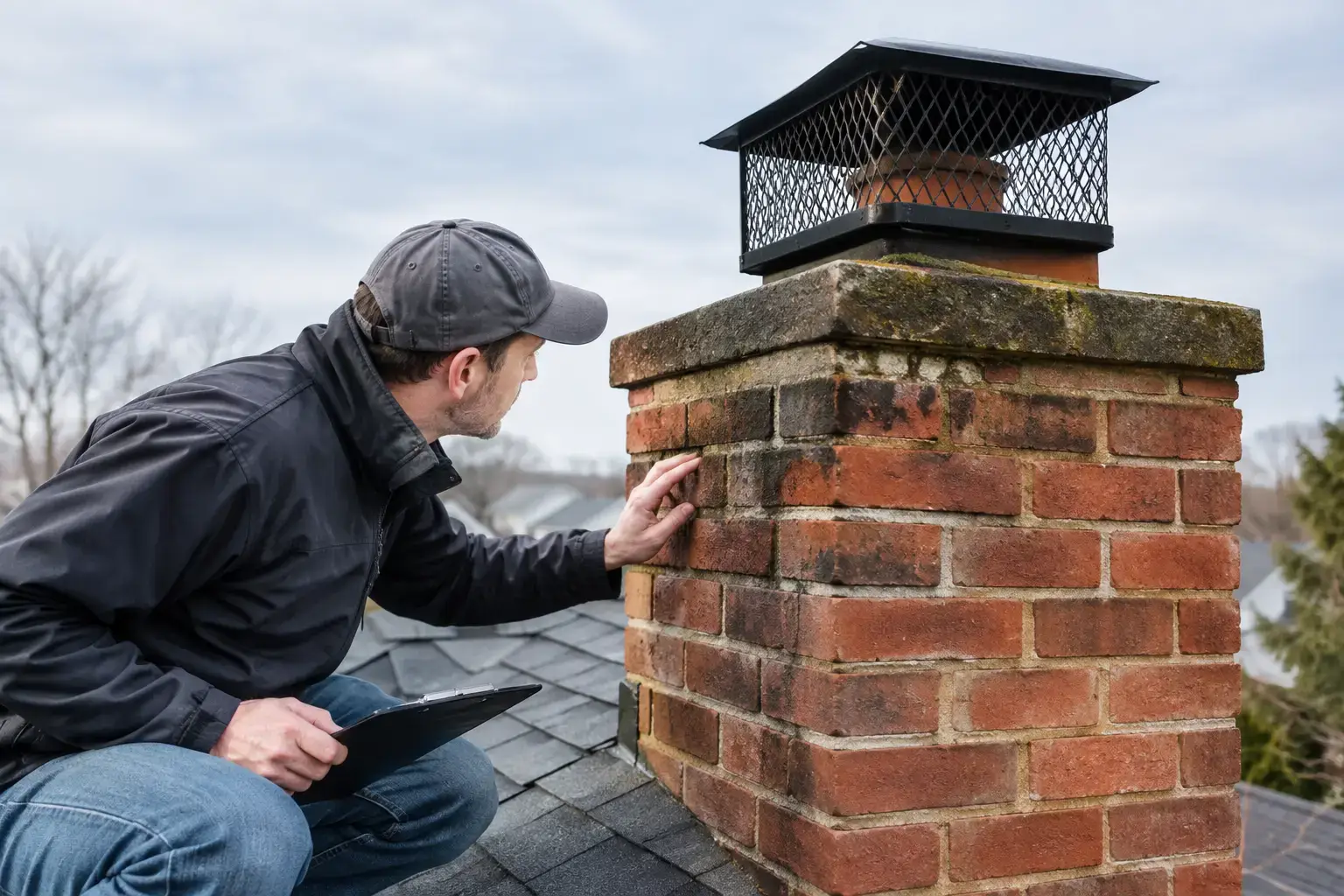
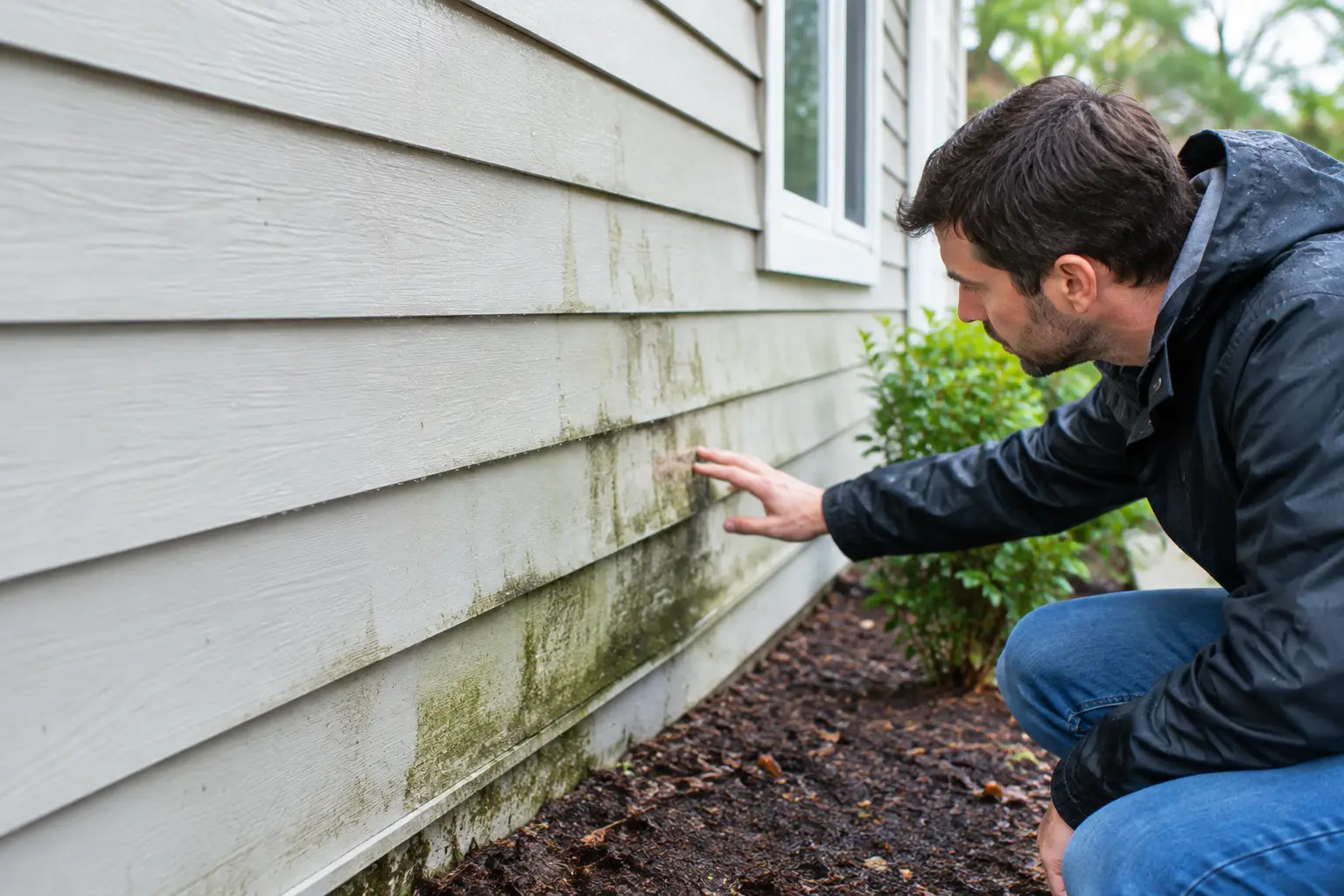
The most urgent signs are often found beyond the gutters themselves. Stained siding, rotted fascia, soft soffits, peeling exterior paint, washed-out landscaping, and puddling near the foundation all suggest water is not being controlled effectively.
Inside the building, a damp basement wall or musty lower-level area may also be connected to poor roof drainage. Gutters are not the only possible cause of water intrusion, but they are one of the first systems worth evaluating. Addressing drainage early can help prevent damage that spreads into roofing, siding, masonry, and foundation work.
Frequent repairs and aging materials
If one repair leads to the next, the system may be signaling that replacement is due. Homeowners sometimes spend years replacing hangers, resealing joints, fixing downspouts, and patching holes one at a time. There is a point where those costs, along with the risk of water damage, make a new installation the more responsible choice.
Replacement is also worth considering during a roof replacement, siding project, or fascia repair. Coordinating exterior work can provide cleaner results and avoid removing recently installed materials later. It also allows the contractor to inspect hidden areas at the roof edge and ensure every component works together.
What a Professional Gutter Inspection Should Check
A reliable assessment should look beyond whether the gutters have leaves in them. The inspector should examine the condition of the channels, seams, end caps, hangers, downspouts, and outlets. They should also evaluate slope, attachment points, roof drainage patterns, and the condition of the fascia and soffit behind the system.
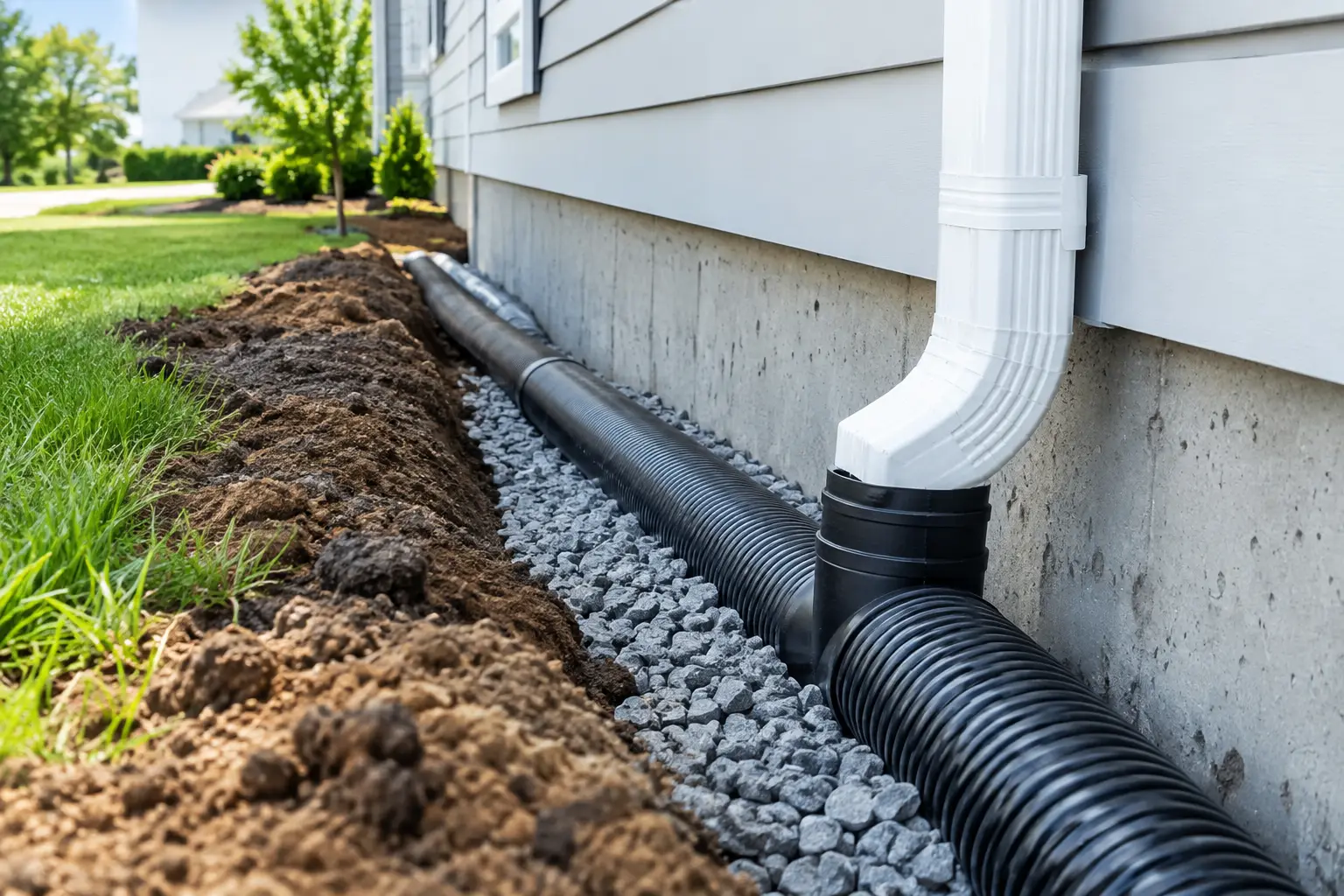
The surrounding property matters as well. Downspouts should move water away from the foundation without creating slippery walkways, erosion, or pooling near patios and steps. On properties with recurring drainage concerns, extensions, additional downspouts, or changes to the gutter layout may be recommended.
For New Jersey and Tri-State property owners, seasonal weather adds another layer of consideration. Wind-driven rain, snow, ice, falling branches, and freeze-thaw cycles can stress a gutter system over time. A thorough inspection identifies whether the problem is simple maintenance, isolated repair, or a replacement that will provide long-term protection.
Choosing a Replacement That Protects the Property
Not all gutter replacements are equal. The right system should be selected based on the roof size, roof pitch, drainage volume, architectural style, and the property’s exposure to trees and storms. Seamless aluminum gutters are a common choice because they limit the number of joints where leaks can develop and offer a clean appearance. Other materials may make sense for specific building styles or durability requirements.
Downspout placement is just as important as the gutter material. Even premium gutters can fail to perform if water has too few exit points or is discharged too close to the foundation. Professional installation should include secure fastening, proper pitch, compatible materials, and careful attention to existing roof and siding conditions.
Quality workmanship also matters at the roof edge. If fascia boards are damaged, they should be repaired before new gutters are installed. Covering deteriorated wood can leave the new system without a stable attachment surface and allow moisture problems to continue unnoticed.
Do Not Wait for the Next Major Storm
A gutter problem rarely stays limited to the gutter itself. Water follows the easiest path, and that path may lead behind siding, into roof decking, along masonry, or toward the foundation. If you see recurring leaks, sagging sections, corrosion, overflow, or evidence of water damage, schedule an inspection before the next period of heavy rain.
American Supreme Construction helps New Jersey and Tri-State property owners evaluate exterior drainage concerns with clear recommendations, quality materials, and workmanship focused on lasting protection. A straightforward inspection can give you the confidence to repair what is still sound or replace what is no longer protecting your property.