A wet basement rarely starts as a basement problem. In many New Jersey homes, the water begins at the roofline, across the lawn, or beside a driveway, then follows the easiest path toward the foundation. The best foundation drainage solutions move that water safely away before it can saturate soil, pressure foundation walls, or find its way through cracks and joints.
The right repair depends on where the water originates, how the property slopes, and whether moisture is outside the foundation, inside it, or both. A properly planned drainage system protects more than a finished basement. It helps preserve masonry, reduce mold risk, prevent soil erosion, and protect the long-term value of the building.
Start With the Source of the Water
Before installing a drain, determine what is actually causing the problem. A homeowner may see water at the bottom of a basement wall and assume the wall is failing. But overflowing gutters, short downspouts, low grading, clogged underground leaders, and poor runoff patterns are often the real cause.
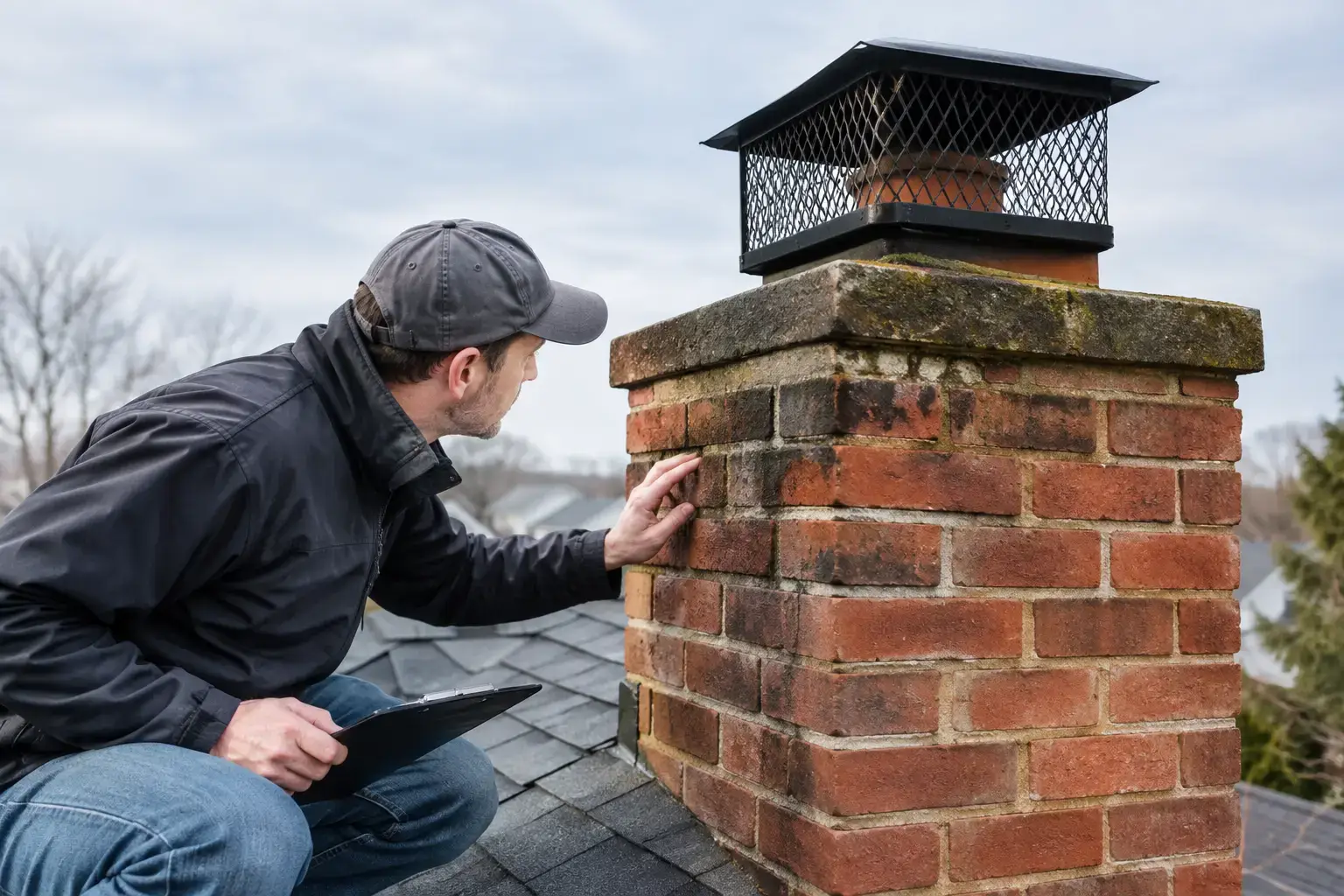
A professional inspection should look at the roof drainage system, ground slope, patios, walkways, window wells, driveway runoff, and visible foundation conditions. The goal is not to sell the largest possible repair. It is to stop water at the most practical point and make sure the solution works with the property.
For example, a home with clean foundation walls but overflowing gutters may need gutter repairs and longer downspout extensions, not excavation. On the other hand, a home with recurring seepage after heavy rain, damp exterior foundation walls, and soil that stays saturated may need exterior drainage and waterproofing together.
The Best Foundation Drainage Solutions, Explained
Proper Grading Around the Foundation
Grading is often the first and most cost-effective line of defense. Soil should slope away from the house so rainwater does not collect against the foundation. As a general rule, the ground should drop about 6 inches over the first 10 feet away from the building, where site conditions allow.
Over time, soil settles, landscaping beds build up too high, and mulch can trap moisture against siding or masonry. Regrading directs surface water outward instead of letting it pool beside the home. It is especially useful for minor seepage, puddles near foundation walls, and yards where water flows back toward the house.
Grading has limits. If a neighboring property drains toward your home or the lot has a naturally low area, regrading alone may not be enough. It may need to be paired with a swale, catch basin, or underground drainage line.
Gutters and Downspout Extensions
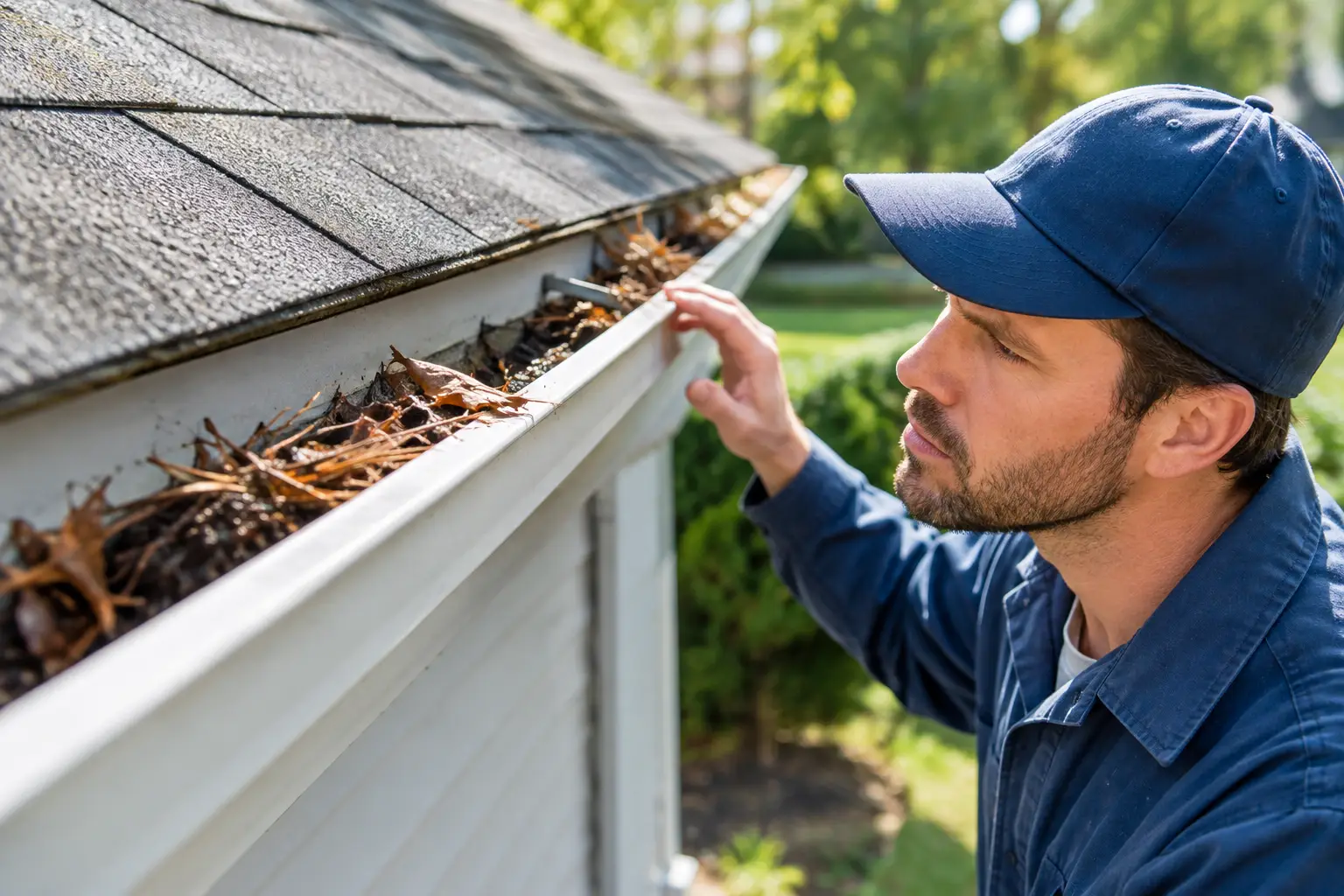
Your gutter system is a major part of foundation drainage. A single inch of rain can send hundreds of gallons of water off a roof. If gutters are clogged, improperly pitched, undersized, or disconnected, that water lands directly at the foundation.
Gutters should be clean, securely fastened, and pitched to carry water toward downspouts. Downspouts should discharge well away from the building, not into a short splash block that ends a few feet from the wall. Extensions can direct water to a suitable lower area of the yard, a drainage system, or another approved outlet.
This is one of the best foundation drainage solutions for homes with roof runoff problems because it addresses water before it reaches the ground. It also protects siding, soffits, fascia, landscaping, and exterior steps from repeated water exposure.
Exterior French Drains and Footing Drains
An exterior French drain is designed to intercept groundwater and surface water before it reaches the foundation. It typically consists of a perforated pipe installed in a gravel-filled trench, wrapped with filter fabric to help keep soil from clogging the system. Water enters the pipe and is routed to a safe discharge point.
When installed at footing level during foundation waterproofing work, this system is often called a footing drain. It relieves hydrostatic pressure, which is the force created when water-saturated soil pushes against basement walls. That pressure can contribute to leaks, cracks, and deterioration over time.
Exterior drainage is a serious construction project. It may require excavation, protection of landscaping, permit coordination, and careful attention around utilities, walkways, and adjacent structures. However, for a home with chronic exterior water pressure, it is often the most complete long-term repair because it handles water outside rather than waiting for it to enter the basement.
Interior Drainage Systems and Sump Pumps
Interior drainage systems are installed around the inside perimeter of a basement or crawl space. They collect water that reaches the foundation footing and direct it to a sump pit, where a sump pump moves it outside through a discharge line.
This approach can be a strong option when exterior excavation is impractical because of tight property lines, decks, additions, finished hardscaping, or limited access. It can also provide reliable protection for basements that experience groundwater seepage during prolonged rain.
An interior system does not stop exterior soil from becoming wet, so it is not always a replacement for exterior waterproofing. Still, it is an effective way to manage water that reaches the foundation and keep usable basement areas dry. The pump should have a properly routed discharge line and, in many homes, a battery backup for protection during power outages.
Surface Drains, Channel Drains, and Catch Basins
Some drainage problems are highly localized. Water may run down a sloped driveway toward the garage, collect at the bottom of exterior steps, or pool beside a patio. Surface drainage systems can capture this runoff before it reaches the building.
Channel drains are commonly installed across driveways, garage entries, and paved areas. Catch basins collect water and debris at low points before sending water through solid drain pipes. Swales are shallow, landscaped channels that guide runoff across a yard without the need for extensive hardscaping.
These systems work best when they are designed around the property’s actual flow patterns. Sending water into a neighbor’s yard or discharging it too close to the foundation only moves the problem. The outlet must be planned responsibly and in accordance with local requirements.
Drainage and Waterproofing Often Work Together
Drainage and waterproofing solve related but different problems. Drainage manages water and reduces pressure around the structure. Waterproofing creates a protective barrier on the exterior foundation wall to resist moisture penetration.
If excavation reveals cracks, deteriorated masonry, failed coating, or damaged foundation surfaces, combining exterior waterproofing with a footing drain is often the smart choice. Completing both during the same project avoids reopening the area later and gives the foundation a more complete defense against water intrusion.
Interior sealants may help with minor moisture issues, but they should not be treated as a cure for active water pressure outside the wall. Paint or coating applied to the inside of a basement wall can hide a symptom temporarily while water continues to stress the structure from the exterior.
Signs Your Property Needs Drainage Work
Do not wait for standing water to take action. Musty basement odors, peeling paint, white mineral deposits on masonry, damp carpet edges, rusting appliances, or recurring puddles near the foundation are all warning signs.
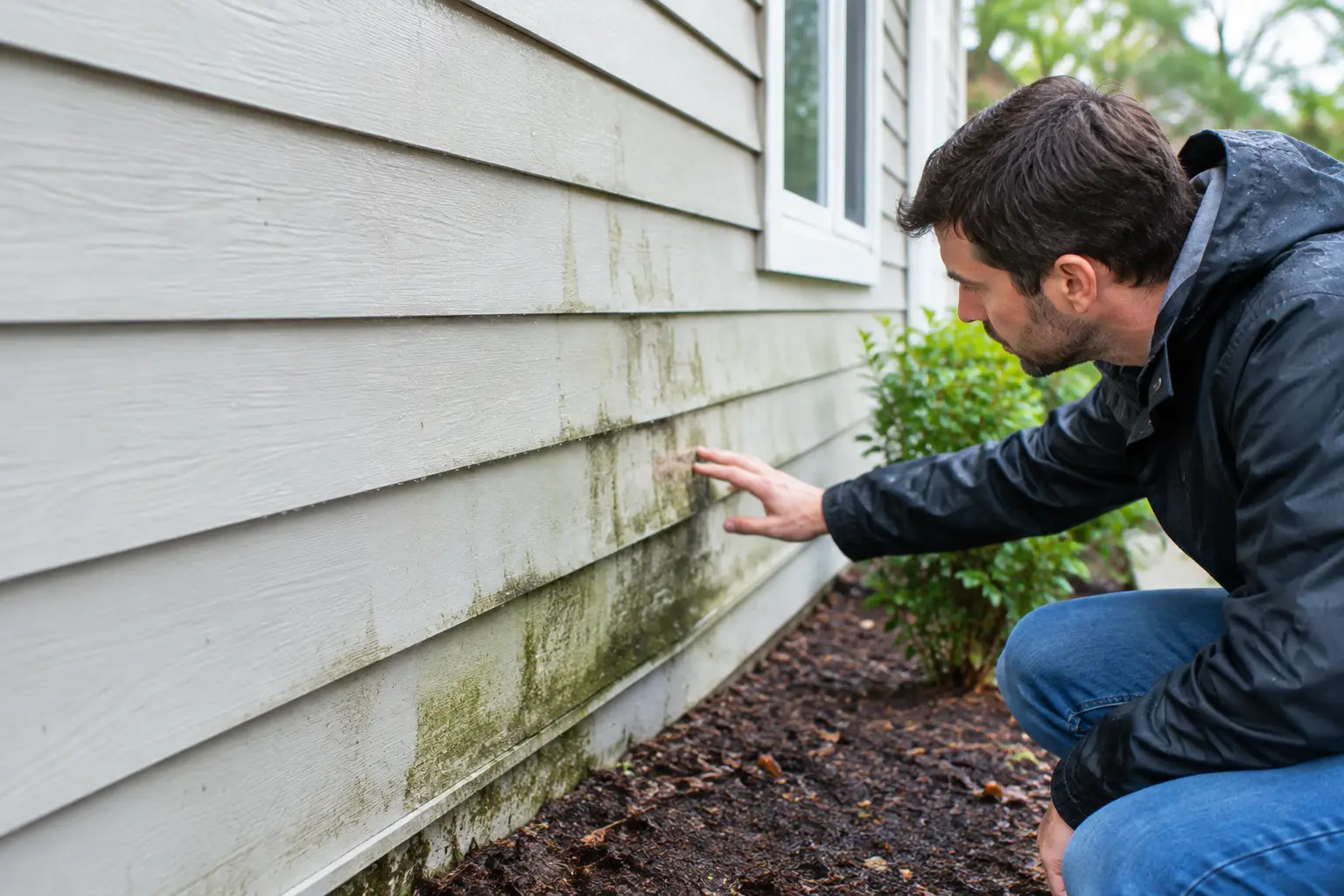
Outside, look for overflowing gutters, downspouts dumping beside the house, settled soil, cracked walks that slope inward, washed-out mulch, and water stains on foundation walls. After a storm, take a few minutes to see where water travels. That observation can reveal problems that are not obvious on a dry day.
For commercial buildings and rental properties, proactive drainage work can help avoid tenant complaints, damage to stored items, slip hazards near entrances, and costly emergency repairs. Water management is part of responsible property maintenance, not an optional upgrade.
Choose a Solution Based on the Property, Not a Guess
The lowest-cost repair is not always the least expensive in the long run. A downspout extension may resolve a simple runoff issue quickly. But if water has already compromised foundation walls or repeatedly enters below grade, a more complete drainage and waterproofing plan may be necessary.
A qualified contractor should explain the source of the problem, recommend practical options, identify any permit considerations, and provide a clear scope of work. At American Supreme Construction, the focus is on durable materials, careful installation, and a drainage plan that protects the property rather than offering a temporary patch.
Water has a way of finding the smallest weakness in a property. Addressing runoff early, while the problem is still manageable, can protect your foundation, your basement, and the work you have invested in your home for years to come.