A missing, undersized, or rusted chimney cap can turn a small opening at the top of your chimney into an expensive water-entry point. Custom chimney cap installation gives your chimney a properly fitted first line of defense against rain, snow, wind-blown debris, animals, and escaping sparks. For New Jersey and Tri-State property owners, where freeze-thaw cycles and seasonal storms put masonry under real pressure, the right cap is a practical investment in protecting the entire chimney system.
Why a Chimney Cap Is More Than a Finishing Detail
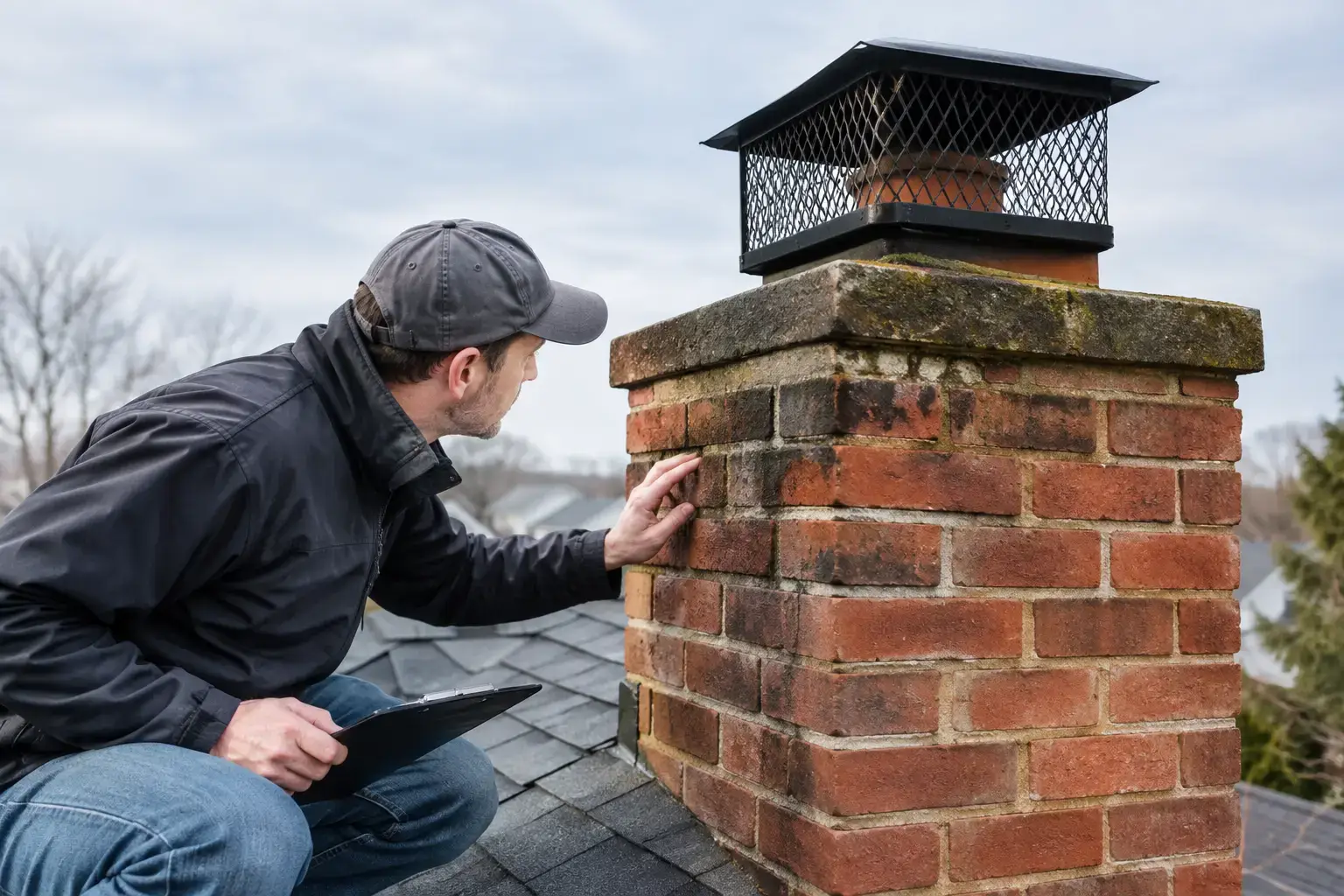
A chimney may look solid from the ground, but its top is exposed to weather every day. Without a secure cap, rainwater can enter the flue, soak into masonry, corrode metal components, and contribute to damage that spreads well below the roofline. In winter, absorbed moisture can freeze and expand, loosening mortar joints, cracking brick faces, and weakening the crown.
An open flue also attracts birds, squirrels, raccoons, leaves, and nesting material. Beyond the mess, an obstruction can interfere with proper venting. If you use a fireplace or have fuel-burning appliances connected to a chimney, safe airflow matters. A cap with the correct mesh helps keep animals and debris out while allowing smoke and exhaust to exit as intended.
The best solution is not always an off-the-shelf cap. Standard sizes may work for a simple, single-flue chimney in good condition. However, many homes and commercial buildings have multiple flues, unusual crown dimensions, aging masonry, or chimney tops that need a more secure and complete cover. That is where a custom-made cap provides better coverage and a cleaner fit.
When Custom Chimney Cap Installation Makes Sense
A custom cap is built around the actual dimensions and condition of the chimney. It can cover one flue, several flues, or the full chimney top, depending on the design. This approach is especially useful when a chimney has a wide crown, multiple vent stacks, an irregular shape, or visible deterioration near the top.
Custom chimney cap installation is also a smart choice when water stains are appearing near the fireplace, mortar is crumbling, bricks are spalling, or the existing cap has shifted, rusted, or blown loose. These symptoms do not automatically mean the cap is the only problem. A damaged crown, failed flashing, cracked flue tile, or roof issue may also be involved. A professional inspection identifies where water is entering before recommending a repair.
For property owners planning chimney rebuilding, repointing, roof replacement, or masonry restoration, installing the right cap at the same time can prevent the newly repaired work from being exposed to unnecessary moisture. Coordinating related exterior work also helps avoid repeated setup, disruptions, and mismatched materials later.
Choosing the Right Material and Design
Material selection affects how long a chimney cap lasts, how it looks, and how much maintenance it may need. Galvanized steel is often the most budget-friendly option, but it can eventually rust in wet conditions. For a short-term repair or a low-exposure application, it may be appropriate. For long-term protection, many owners choose stainless steel, aluminum, copper, or powder-coated metal.
Stainless steel is a dependable option for many homes because it resists rust and handles harsh weather well. Aluminum is lightweight and corrosion-resistant, though it may not be the best fit for every large or high-wind installation. Copper offers a distinctive appearance and a long service life, but it comes at a higher initial cost and develops a natural patina over time.
Design matters just as much as material. A good cap should extend beyond the chimney crown enough to direct water away from vulnerable masonry. It should have a raised lid that allows exhaust to exit freely, properly sized screening, and secure attachment points. If a chimney serves a wood-burning fireplace, the mesh and overall design must balance spark protection with adequate draft. Mesh that is too fine can clog with soot or creosote; mesh that is too open may not provide the protection required for the application.
A full-width multi-flue cap can be particularly effective for chimneys with several flues. It protects the crown area beneath it, not just each individual opening. That added coverage can reduce direct water exposure and give the chimney a more finished appearance.
What a Professional Installation Should Include
The installation itself should begin with more than a quick measurement. A qualified contractor examines the flue openings, crown condition, mortar joints, brickwork, flashing, and nearby roofing. If the crown is cracked or the masonry is unstable, simply fastening a new cap over the problem will not create a lasting repair.
Measurements must account for the full chimney top, flue heights, lid clearance, and the cap’s overhang. A cap that is too tight can restrict venting or fail to cover exposed crown areas. One that is too loose can rattle in high winds, allow water in, or detach during a storm.
Once the cap is fabricated or selected, installers should set it level, secure it with appropriate fasteners, and avoid damaging the chimney structure. The crew should also verify that screens are intact, flues remain unobstructed, and the cap does not interfere with adjacent roof features. On older properties, safe roof access and careful handling of brittle mortar are essential.
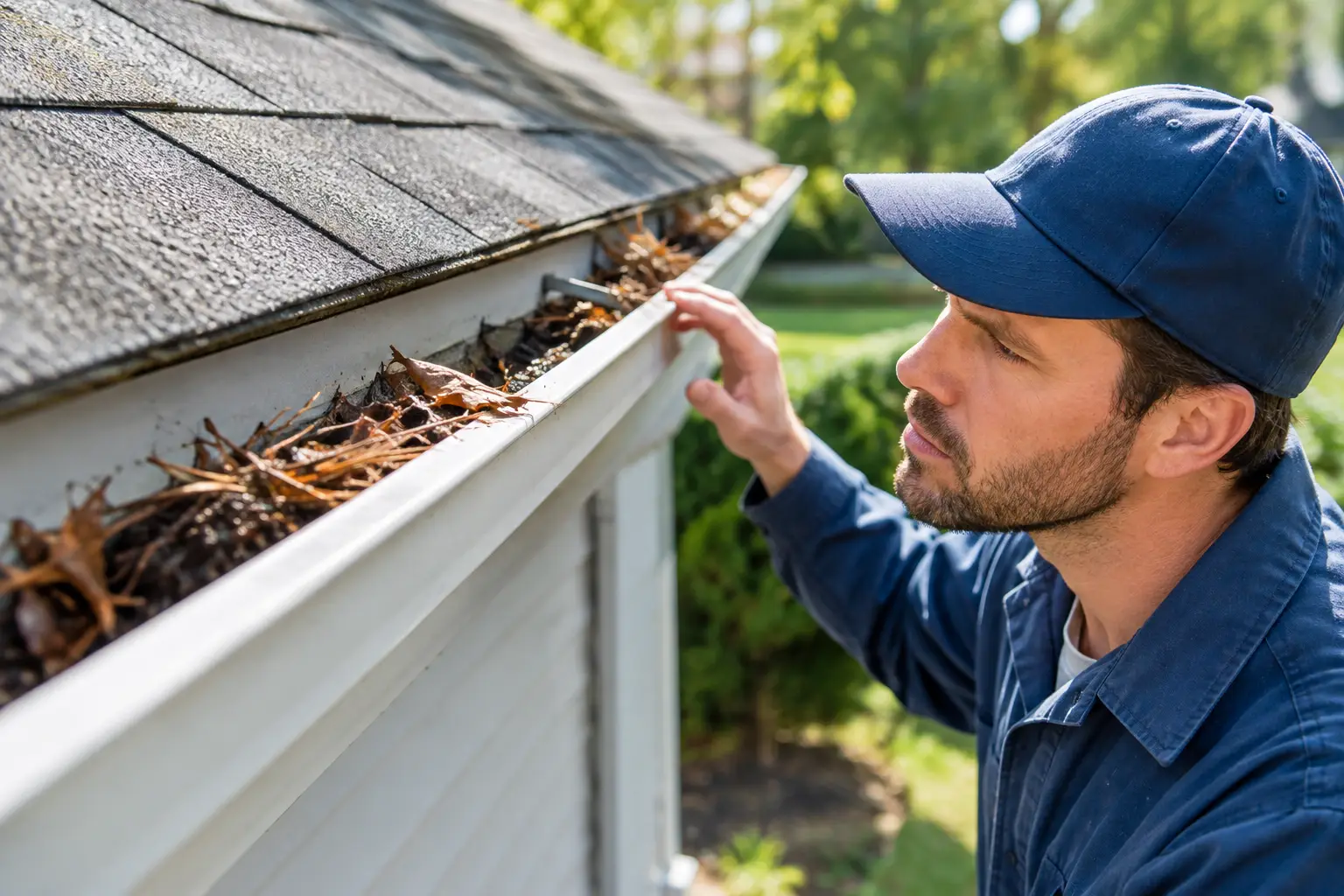
At American Supreme Construction, chimney work is approached as part of the property’s larger exterior protection system. That means looking beyond the visible cap to identify whether water is affecting the crown, masonry, roofline, gutters, or flashing. Clear communication before work begins helps owners understand what is necessary now and what can be monitored over time.
Common Mistakes That Lead to Repeat Repairs
The most common mistake is treating every chimney cap as interchangeable. A generic cap may seem like a quick fix, but poor sizing is a frequent reason it fails early. Wind, ice, and thermal movement can expose weaknesses in a cap that does not properly fit the chimney.
Another issue is installing a cap on top of a damaged crown without addressing the cracks underneath. The cap may reduce direct rainfall, but water can still enter through failed concrete or mortar. If the crown is deteriorated, repair or replacement may be needed before or alongside the cap installation.
Homeowners should also be cautious about caps secured with temporary methods or thin, low-grade metal. A loose cap can become a safety hazard in severe weather. Rusted screening can create gaps for animals, while blocked screening can affect draft. Periodic inspection is a simple way to catch these problems before they become a chimney rebuild.
How to Plan for Cost and Long-Term Value
The cost of a custom chimney cap depends on the chimney’s size, number of flues, material, roof access, crown condition, and whether related masonry repairs are needed. A basic replacement on an accessible one-flue chimney will generally cost less than a custom stainless-steel cap for a wide, multi-flue chimney on a steep roof.
The lowest quote is not always the lowest long-term cost. A cap that fails after a few seasons can allow enough moisture into the system to create far more expensive repairs. When comparing estimates, ask what material is being used, whether the cap is custom-sized, how it will be secured, and whether the inspection includes the crown and flashing. A detailed estimate makes it easier to compare real scope, not just a final number.
Routine checks after heavy storms and before the heating season can extend the life of the installation. Look for visible rust, leaning or loose metal, damaged mesh, nesting material, or new staining on the chimney. If you see changes from the ground, schedule an inspection rather than climbing onto the roof yourself.
A well-fitted chimney cap may be a small part of your exterior, but it protects an area where water damage often begins quietly. If your chimney is uncovered, leaking, or showing signs of wear, a professional assessment can help you choose a cap and repair plan that protects your property for the seasons ahead.