
A loose panel after a nor’easter may look like a small exterior problem. But when water gets behind aging siding, it can quietly reach sheathing, insulation, trim, and framing before there is visible damage indoors. Vinyl siding replacement is often the right investment when repairs are becoming repetitive, panels no longer protect the wall system, or the exterior no longer reflects the condition of the property.
For New Jersey and Tri-State property owners, the decision should be based on more than appearance. Your siding must stand up to wind, heavy rain, freeze-thaw cycles, summer heat, and the everyday wear that comes with an active home or commercial building. A qualified inspection helps separate a repairable issue from a replacement project that will provide lasting protection.
Signs Vinyl Siding Replacement Is the Better Choice
A single cracked panel or a piece of loose trim does not always mean the entire exterior needs to come off. If matching material is available and the surrounding siding is in good condition, a targeted repair can be practical. The concern grows when damage appears in several areas or returns after prior repairs.
Warped, buckled, or wavy siding is a common warning sign. Vinyl expands and contracts with temperature changes, but it should still lie flat and move as designed. Distortion may result from age, improper installation, excessive heat exposure, or moisture affecting the wall behind it. Replacing only the visibly warped pieces may not solve the underlying issue.
Cracks, holes, brittle panels, and frequent storm damage also deserve attention. Older vinyl can lose flexibility, making it more likely to break during cold weather or under impact. If panels have faded unevenly, replacement pieces may be obvious, leaving the property with a patched appearance even after a careful repair.
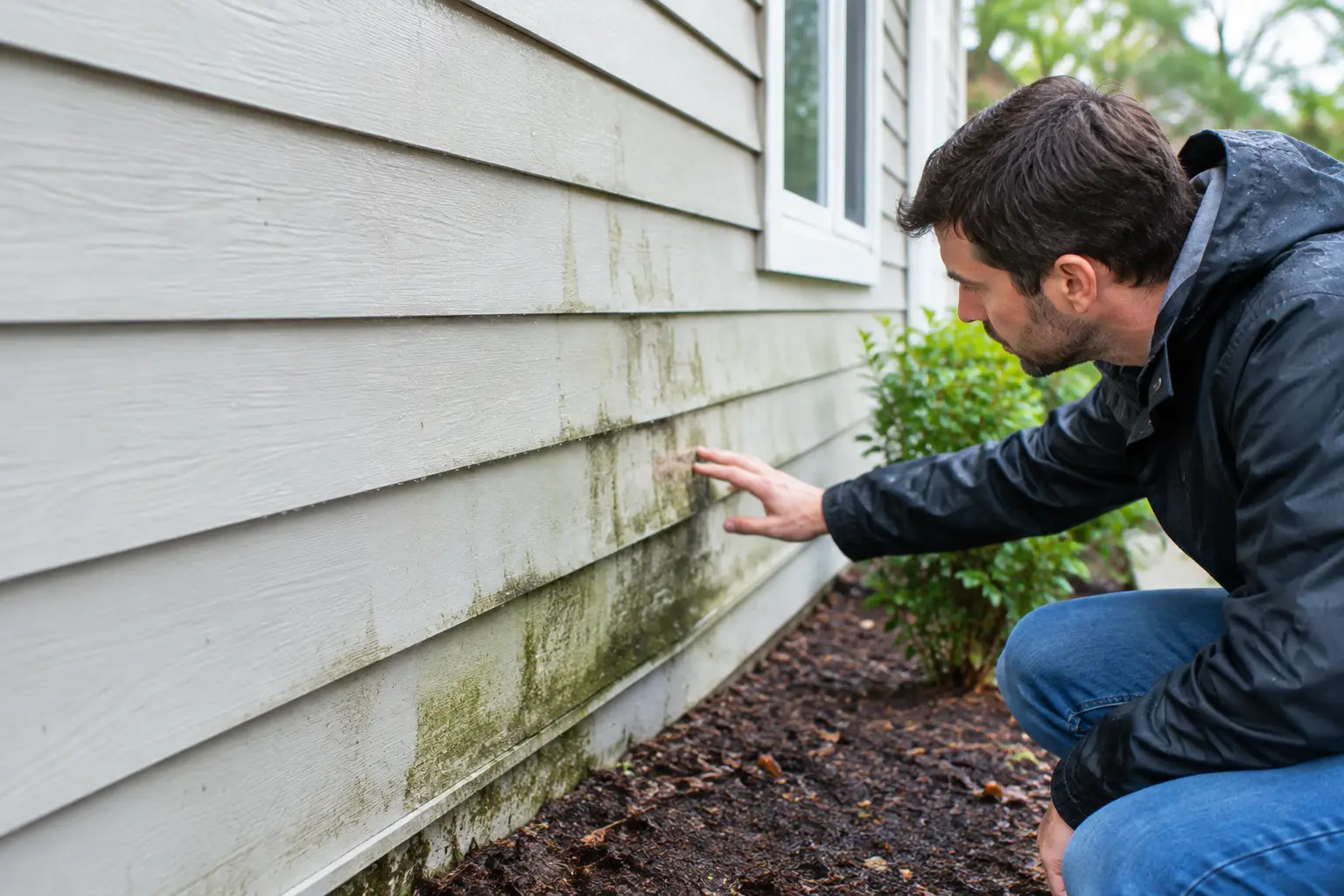
Look closely at seams, corners, window trim, and the bottom edge of the walls. Gaps, missing flashing, deteriorated caulk, staining, or signs of insects can indicate water is finding a path behind the siding. Inside, peeling paint, musty odors, damp drywall, and unexplained drafts may point to exterior moisture or air-sealing problems.
What a Proper Vinyl Siding Replacement Should Include
Good siding work is not simply a matter of removing old panels and installing new ones. The most valuable part of the project often happens after the old siding is removed and before the new material goes up. This is when the contractor can inspect the wall surface and correct conditions that would shorten the life of the new exterior.
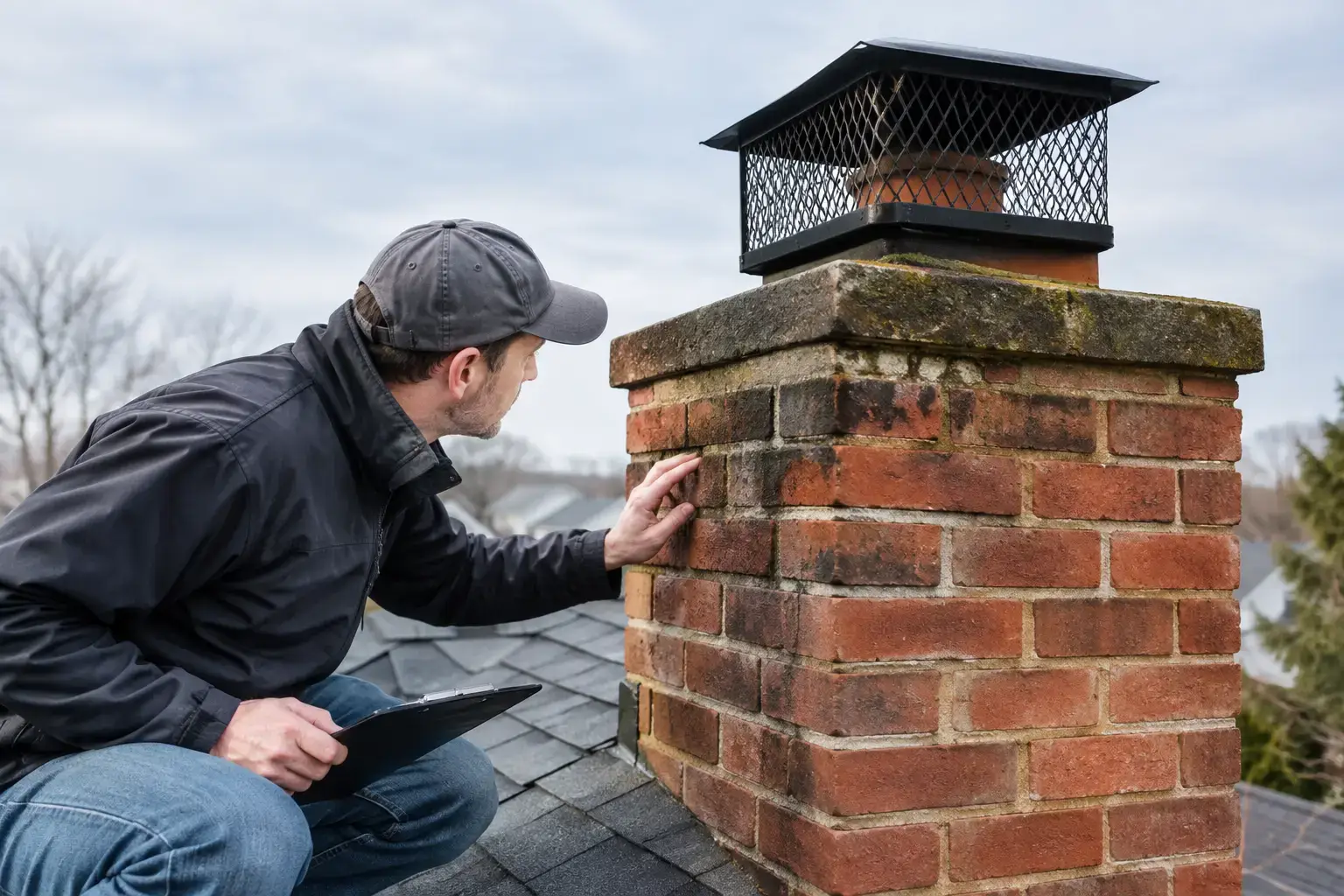
The process should begin with a detailed assessment of the siding, trim, windows, doors, gutters, roof-to-wall connections, and any areas where masonry or decks meet the house. Water does not respect service categories. A problem near a roofline or chimney can show up as damaged siding below, so the full exterior should be considered.
Once old siding is removed, damaged sheathing or framing should be identified and repaired as needed. The wall should then receive the appropriate weather-resistant barrier and flashing details around openings and transitions. These components guide water back to the exterior instead of allowing it to sit behind the cladding.
New vinyl siding needs room to expand and contract. Panels should be fastened correctly, aligned carefully, and installed with properly fitted starter strips, J-channels, corner posts, soffit, and trim. Tight nailing, poorly placed fasteners, or careless cuts can lead to buckling, rattling, gaps, and premature failure.
For homes that need a more finished exterior update, replacement is also an opportunity to improve trim color, shutters, soffit, fascia, and gutter coordination. Design choices matter, but they should never take priority over water management and sound installation practices.
Choosing the Right Siding for Your Property
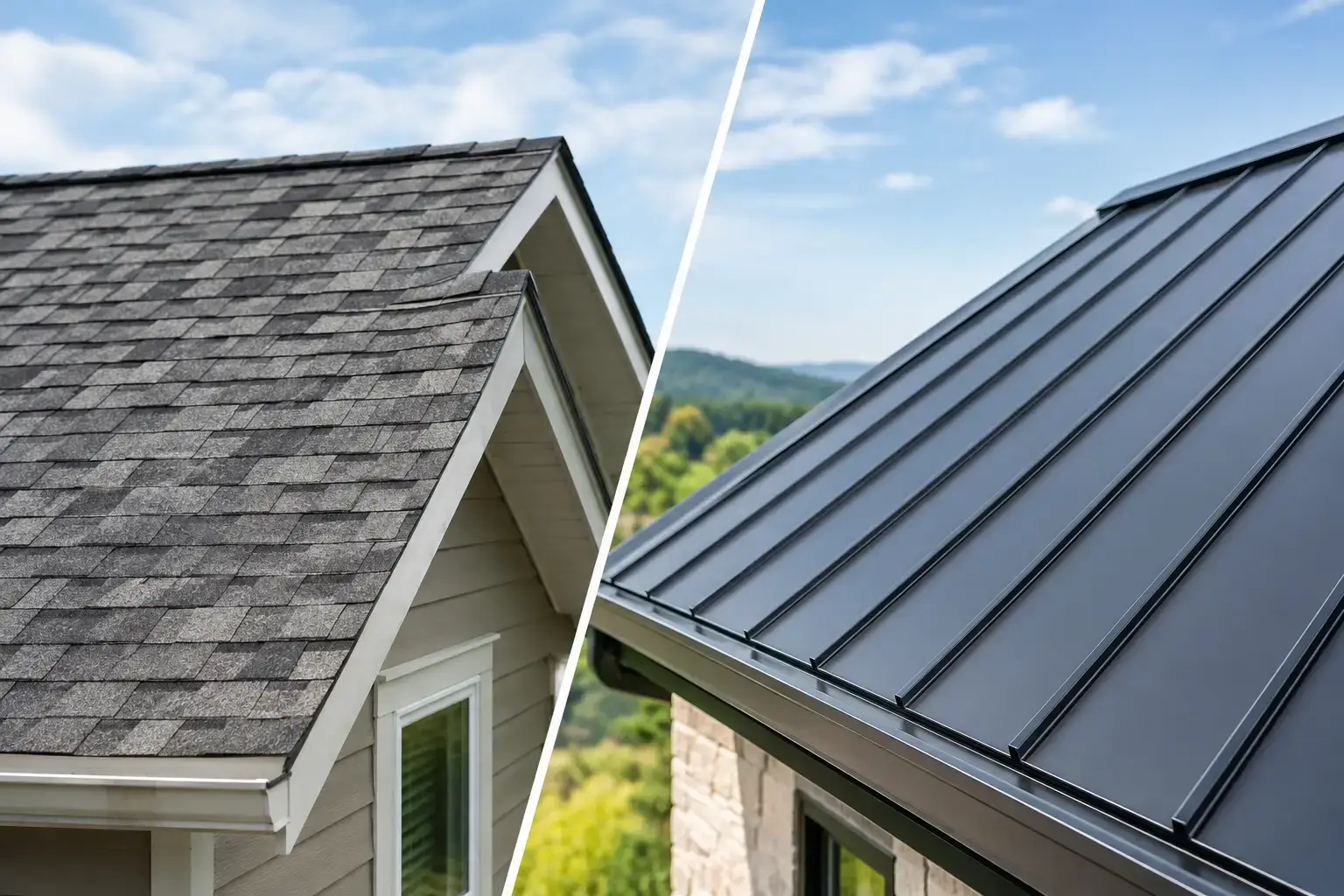
Vinyl remains a popular choice because it offers low routine maintenance, broad color options, and dependable performance at a range of price points. Not every vinyl product is the same, however. Thickness, panel profile, color technology, insulation options, and warranty terms can vary significantly.
A thicker panel generally provides better impact resistance and a more substantial appearance. Insulated vinyl siding may improve comfort by reducing thermal bridging through the wall, but it is not a substitute for proper insulation, air sealing, or moisture control. It can be a worthwhile option for some homes, especially where the existing exterior walls feel drafty, but the right choice depends on the building and budget.
Color deserves practical consideration. Deep, dark shades can create a striking look, yet they may absorb more heat and show dust or surface wear more readily than lighter colors. The property style, neighborhood setting, roof color, masonry, and window trim should all be reviewed together before ordering material.
Commercial properties, rental buildings, and multi-unit homes may have additional concerns. Matching existing architecture, planning work around occupants, maintaining safe access, and minimizing disruption can be just as important as the selected panel. A clear work plan protects both the building and the people using it.
Planning for Cost Without Cutting Corners
The price of vinyl siding replacement depends on the size and height of the building, the amount of trim and detail work, material grade, access, removal requirements, and the condition found behind the existing siding. Two homes with similar square footage can have very different project scopes if one has complex rooflines, damaged sheathing, multiple windows, or extensive exterior trim.
The lowest estimate is not always the least expensive outcome. An estimate that leaves out removal, disposal, flashing, repairs, permits, trim, or cleanup can create change orders later. Ask for a clear scope of work that explains what materials are included, how hidden damage will be handled, and what warranty coverage applies to labor and products.
For many New Jersey communities, permits may be required for siding work or for related repairs. A contractor should help confirm local requirements and organize the project so inspections, if needed, do not hold up progress. Licensed and insured professionals also help protect the owner if an unexpected condition is discovered during construction.
Why Installation Quality Matters More Than a Quick Cosmetic Fix
Siding is a protective system, not decoration. When it is installed with attention to the wall behind it, it can help protect your property for years. When it is rushed, water can remain trapped, ventilation details can be missed, and attractive new panels can cover problems instead of resolving them.
A professional crew should protect landscaping and walkways, maintain a clean jobsite, and communicate when work areas need to remain clear. They should also inspect finished walls from multiple angles, check trim details, remove debris, and make sure the owner understands any basic care recommendations. Those final steps show whether a contractor is focused on completing a job or standing behind it.
American Supreme Construction approaches exterior projects with that level of accountability, from a clear estimate and material planning through safe installation and final cleanup. For property owners balancing several needs at once, working with one experienced exterior contractor can also make it easier to coordinate siding with roofing, gutters, chimney work, or masonry repairs.
Care After Your Vinyl Siding Replacement
Vinyl is low maintenance, not no maintenance. A seasonal walk-around can catch loose trim, storm damage, blocked gutters, and overgrown branches before they create a larger issue. Wash away ordinary dirt with a soft cloth or soft-bristle brush and a mild cleaning solution, following the manufacturer’s instructions. Avoid abrasive tools and high-pressure washing close to seams or trim, where forceful water can be driven behind the panels.
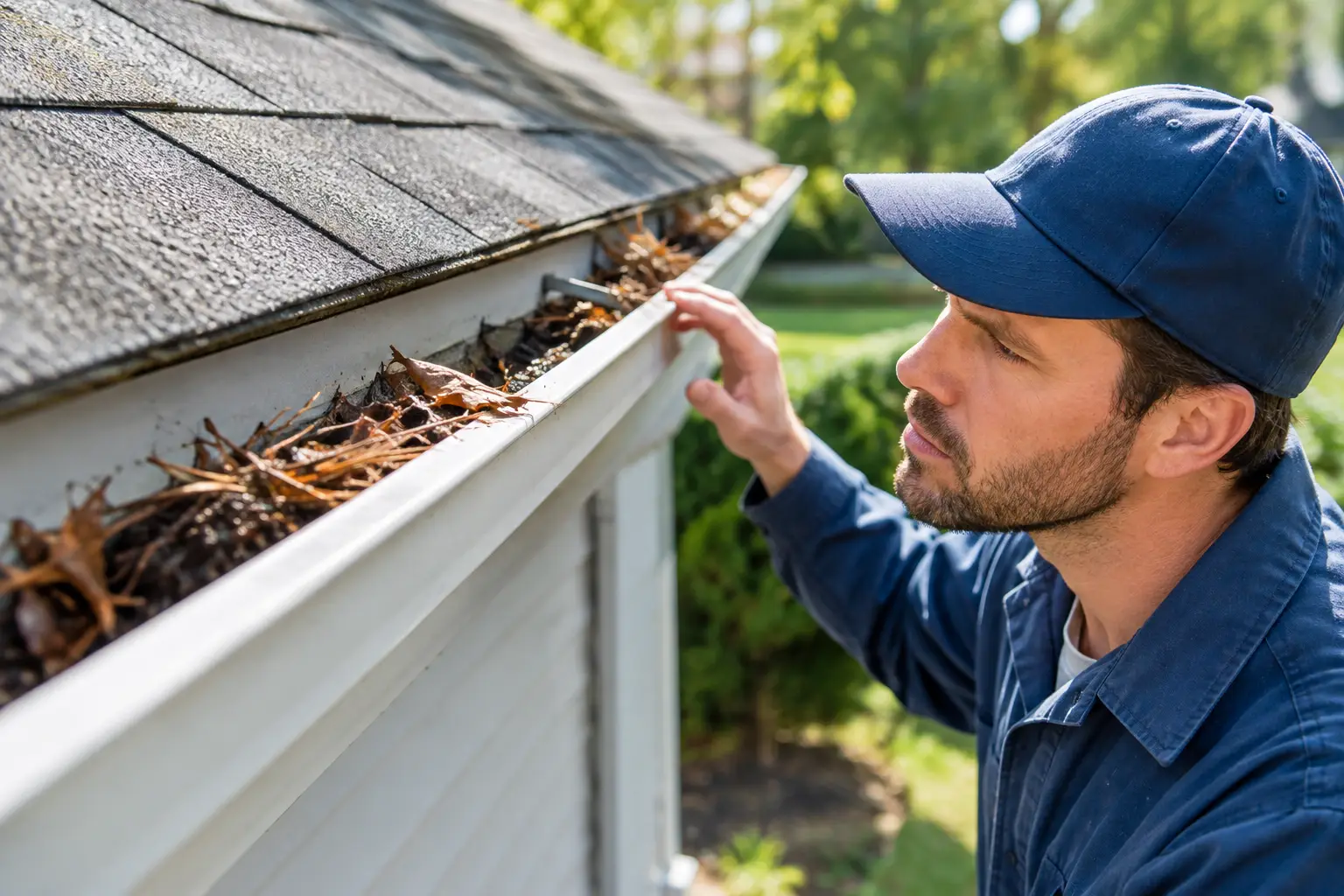
Keep gutters and downspouts functioning properly, especially near siding corners and foundation walls. Persistent overflow can stain siding, damage trim, and create moisture issues that no exterior cladding can solve on its own. If you notice new waviness, recurring staining, or a panel that has come loose, schedule an inspection rather than waiting for the next severe storm.
The best time to address aging siding is before a small opening becomes hidden wall damage. A careful inspection, honest scope of work, and skilled installation give you more than a refreshed exterior – they give your property the protection it needs through the seasons ahead.
One Response