
Rain does not need a major roof leak to damage a property. Water that spills over clogged, undersized, or poorly pitched gutters can soak fascia boards, stain siding, erode landscaping, and collect near the foundation. Professional seamless gutter installation gives rainwater a controlled path away from the parts of your home or building that are expensive to repair.
For New Jersey and Tri-State property owners, gutters need to stand up to hard summer downpours, falling leaves, snow, ice, and frequent freeze-thaw cycles. The right system is not simply a row of metal channels attached to the roofline. It is a carefully measured drainage solution designed around your roof, exterior materials, and grading.
Why Seamless Gutter Installation Is Different
Traditional sectional gutters are assembled from shorter pieces. Each connection creates another place where sealant can eventually fail, debris can catch, or water can escape. A seamless system is formed on-site to match the length of each roof edge, reducing the number of joints across the run.
Fewer joints can mean fewer opportunities for leaks and a cleaner finished appearance. That makes these gutters a practical choice for homeowners who are replacing aging systems, repairing recurring overflow problems, or improving the exterior before selling or renting a property.
The word seamless does not mean there are no connections at all. Corners, downspouts, and end caps still require secure attachment and proper sealing. The value comes from limiting unnecessary joints along long, straight gutter runs, where many older systems tend to develop problems over time.
A Gutter System Must Do More Than Catch Water
A gutter can look straight from the ground and still fail to protect the building. Effective drainage depends on several details working together: the gutter size, the slope toward the downspout, the number and placement of downspouts, secure fastening, and the route water takes once it reaches the ground.
A contractor should evaluate the roof area feeding each section of gutter. A steep roof or a large roof plane can shed a surprising amount of water during a fast storm. If too much water reaches a narrow gutter or one downspout, it can overflow even when the gutter is clean. In some cases, larger gutters or additional downspouts are a better long-term answer than repeated repairs.
Pitch is equally important. Gutters need a subtle slope that guides water to the downspout without looking noticeably uneven. Too little slope leaves standing water and debris behind. Too much slope can make the installation look poor and may allow water to rush past the outlet during heavy rain.
Downspouts deserve the same attention as the gutters themselves. They should carry water far enough from the foundation, walkways, and planting beds to avoid pooling. Where the property layout allows, extensions or properly designed underground drainage may be appropriate. The right choice depends on the home’s grading, existing drainage, local conditions, and where water can safely discharge.
What a Professional Installation Process Looks Like
Good installation begins before materials arrive. An experienced exterior contractor inspects the roofline, fascia, soffit, existing gutter condition, and visible drainage concerns. This is also the time to identify rotted wood, loose trim, roof edge damage, or areas where water has already been backing up. Installing new gutters over damaged fascia can hide a problem rather than solve it.
After measurements are taken, the installer recommends a system based on the building’s needs. Aluminum is a common choice because it is durable, lightweight, and available in colors that complement siding and trim. Other materials may make sense for certain architectural styles or budgets, but the best material is only as reliable as the workmanship behind it.
On installation day, gutters are formed to the required lengths and secured with appropriately spaced hangers. Fasteners should be installed into solid backing, not merely into weak or deteriorated wood. Corners, outlets, end caps, and downspouts are then fitted, sealed, and checked for alignment.
A responsible crew also keeps the work area organized and safe. Ladders, tools, sharp metal edges, and overhead work require care, especially around landscaping, entryways, and commercial traffic areas. At the end of the job, the property should be left clean, with old gutter materials and debris removed.
Signs Your Property May Need New Gutters
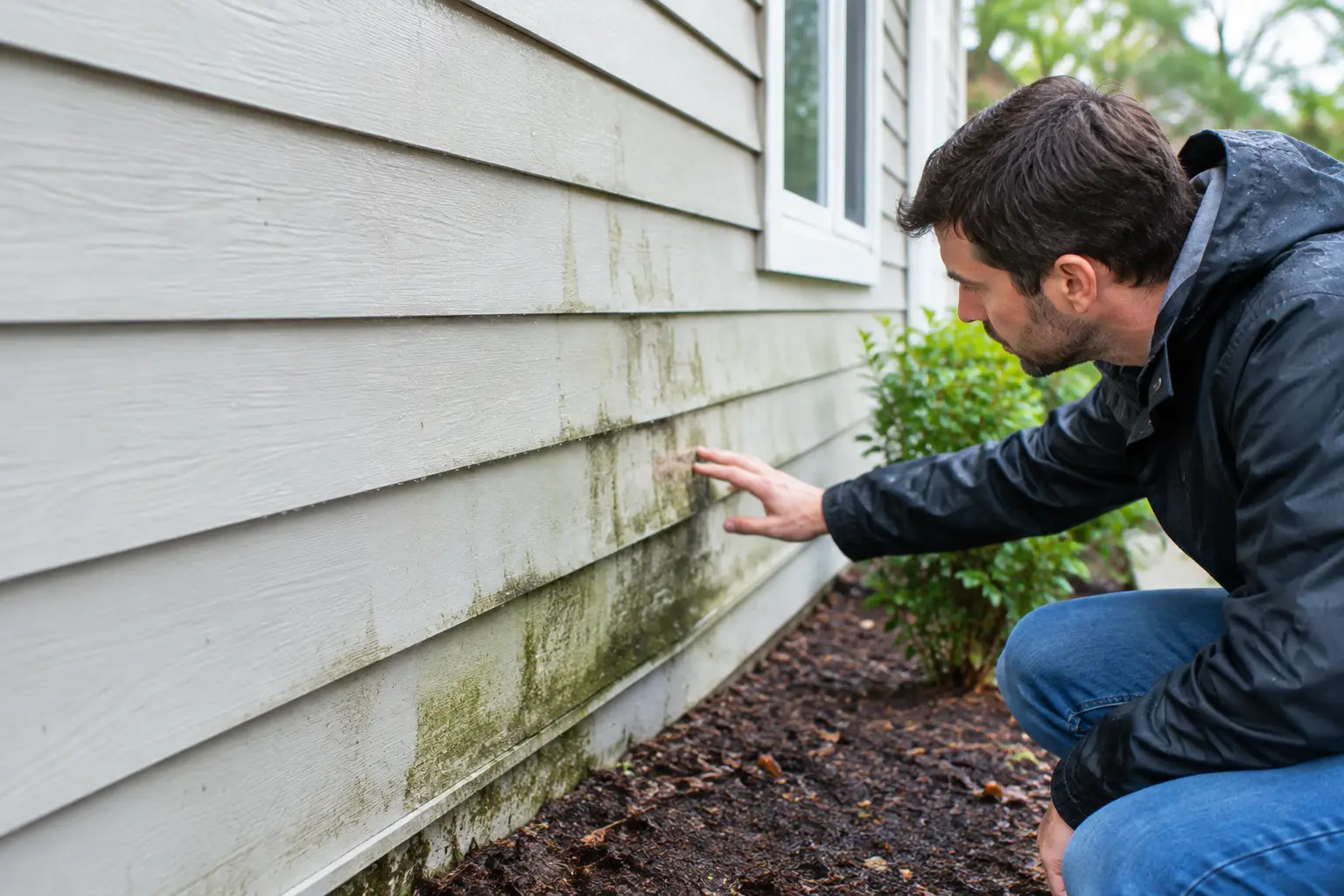
Some gutter problems can be corrected with cleaning, resealing, or rehanging. Others point to a system that has reached the end of its useful life. Water marks on siding, rust, recurring leaks at several joints, sagging sections, separated downspouts, and peeling paint around the eaves all deserve attention.
Look outside during or shortly after a hard rain. Water pouring over the front edge of the gutter, spilling behind it, or collecting at the foundation is not something to ignore. It may be caused by a blockage, but it can also indicate improper slope, inadequate capacity, or a downspout layout that cannot handle the roof’s runoff.
Inside the property, damp basement walls, musty odors, or water near the perimeter may have more than one cause. Gutters are not a substitute for foundation waterproofing when there is an underlying drainage issue, but they are an essential first line of defense. Directing roof runoff away from the building reduces unnecessary water pressure around the foundation.
Gutter Guards: Helpful, but Not a Maintenance-Free Promise
Gutter guards can reduce the amount of leaves and larger debris entering the system. They are especially useful around mature trees and on properties where safe ladder access is difficult. However, no guard eliminates the need for occasional inspection.
Fine debris, roof grit, seeds, and snow can still affect performance. Some guard styles may also change how water enters the gutter during a heavy downpour. A qualified contractor can explain which option fits your roof type, nearby trees, and maintenance expectations instead of treating every property the same.
The best approach is to choose gutters and guards as one drainage plan. A high-quality guard will not compensate for an undersized gutter, poor pitch, loose hangers, or a downspout that discharges too close to the house.
Questions to Ask Before Hiring a Gutter Contractor
Price matters, but the lowest estimate can become costly when it leaves out essential work. Ask whether the contractor will inspect fascia condition, explain gutter sizing, confirm downspout locations, remove old materials, and clean the site afterward. Make sure the estimate clearly states the materials, scope of work, warranty terms, and any repairs needed before installation.
It is also wise to work with a licensed and insured contractor that can communicate clearly about the project. For larger homes, commercial properties, or work that affects drainage around foundations, experience with exterior construction matters. Gutters connect directly to roofing, siding, trim, masonry, and grading concerns, so an installer should recognize issues beyond the gutter itself.
American Supreme Construction brings more than 24 years of hands-on exterior construction experience to projects across New Jersey and the Tri-State area. Our team provides clear estimates, premium materials, safety-focused work practices, and workmanship coverage so property owners can make decisions with confidence.
A properly designed gutter system is one of the most practical ways to protect the exterior of your property through every season. If you have noticed overflow, sagging gutters, water near the foundation, or aging sections that need constant repair, schedule a professional evaluation before the next storm turns a manageable issue into a larger restoration project.

One Response