Salt air may feel great on a summer weekend, but it is hard on a home’s exterior every day of the year. Along the New Jersey Shore and throughout coastal Tri-State communities, siding has to stand up to wind-driven rain, humidity, UV exposure, blowing sand, and salt residue that can wear down finishes and corrode fasteners.
The best siding materials for coastal homes are not simply the ones that look good on installation day. They are the materials that fit the property’s exposure, your maintenance expectations, local building requirements, and the condition of the wall system behind the siding. A durable installation also depends on proper flashing, water-resistive barriers, trim details, and corrosion-resistant fasteners. Those details protect the home when coastal weather turns severe.
What Coastal Siding Must Handle
Homes near the water face a different set of pressures than homes farther inland. Salt can settle on siding and trim, leaving deposits that gradually affect paint, metal components, and vulnerable finishes. High winds can force water into small gaps around windows, doors, and siding joints. Repeated wet-dry cycles can expose weak seams and improperly installed materials.
That is why selecting siding should never be treated as a color decision alone. The right choice should resist moisture, hold up to impact and wind, and allow the exterior wall to shed water correctly. If your property is directly exposed to open water or sits in a flood-prone area, the details of the installation matter even more.
1. Fiber Cement Siding: Strong Performance and Classic Style
Fiber cement is often one of the strongest choices for coastal properties. Made from cement, sand, and cellulose fibers, it provides a solid, substantial appearance and can be manufactured to resemble traditional wood clapboard, cedar shake, or smooth panel siding.
Its biggest advantage is durability. Fiber cement does not rot like untreated wood, and it is resistant to insects, fire, and moisture-related damage when installed and maintained correctly. It also performs well where homeowners want a high-end exterior that can handle changing temperatures and strong coastal sun.
The trade-off is that fiber cement is heavier and more labor-intensive than vinyl. It needs precise cutting, appropriate clearances, correct flashing, and experienced installation. Factory-finished boards can reduce future painting needs, but painted fiber cement will still require periodic repainting over its service life. For many New Jersey homeowners, that maintenance is a reasonable exchange for a durable, traditional-looking exterior.
2. Insulated Vinyl Siding: Low Maintenance for Sheltered Locations
Vinyl siding remains a practical option for many coastal homes, especially properties that are not directly exposed to severe waterfront conditions. Quality vinyl will not rot, and it does not need painting. Regular washing with a gentle cleaning solution can remove salt film, dirt, and mildew before it becomes an eyesore.
Insulated vinyl siding adds a foam backing that can improve rigidity and help reduce minor surface waviness. It may also offer modest energy-efficiency benefits when used as part of a properly insulated wall assembly.
Not all vinyl products are equal. Thinner, lower-grade panels can crack in cold weather, fade over time, or become loose in heavy wind. For coastal use, choose a premium product with a strong wind rating and make sure it is installed with the correct nailing technique. Vinyl must have room to expand and contract. Nailing it too tightly can lead to buckling, while loose or improperly secured panels can become vulnerable during storms.
3. Engineered Wood Siding: A Warm Look With Better Moisture Resistance
Homeowners who love the character of painted wood but want less upkeep often consider engineered wood siding. This material is designed from treated wood strands and resin-based binders, then finished with a protective overlay. It can provide sharp shadow lines, attractive lap profiles, and trim options that suit Colonial, Craftsman, and cottage-style homes.
A quality engineered wood system can perform well in coastal areas, but it is not a maintenance-free product. Exposed cuts, joints, and edges must be sealed according to the manufacturer’s instructions. Caulk and paint must be kept in good condition, particularly around windows, doors, rooflines, and transitions where water can enter.
Engineered wood can be a good fit for a homeowner who wants the look of real wood and is prepared to keep up with inspections and repainting. It may be less suitable for a home with constant direct salt spray or an owner looking for the lowest-maintenance option available.
4. Cellular PVC Siding: Excellent Moisture Resistance
Cellular PVC siding and trim are manufactured from a durable plastic material that resists moisture, insects, and rot. Because it does not absorb water like wood, it is especially useful in areas where rain, humidity, and salt-laden air are ongoing concerns.
PVC can deliver a crisp, painted-wood appearance without the same risk of decay. It is frequently a strong choice for coastal trim, corner boards, fascia, and decorative details, even when another siding material is used across the main walls. For a home with complicated exterior details, using PVC trim can help protect some of the most water-sensitive areas.
The upfront cost is generally higher than standard vinyl, and installation requires trained professionals who understand expansion, contraction, fastening requirements, and proper joint treatment. Dark colors may also require special product selection because heat absorption can affect movement. Still, for homeowners focused on moisture resistance and long-term exterior protection, PVC deserves serious consideration.
5. Cedar Siding: Beautiful, but Demanding Near the Coast
Cedar shingles and clapboards have a natural look that works beautifully on shore homes. The material offers warmth, texture, and an architectural character that synthetic products try to replicate. When properly maintained, cedar can last for many years.
However, coastal conditions are not forgiving to natural wood. Salt, moisture, sun, and mildew can accelerate weathering. Cedar needs regular care, including cleaning, inspections, staining or painting, and prompt attention to damaged boards. Without consistent maintenance, it can split, cup, rot, or attract mold and mildew.
Cedar makes sense for owners who value authentic materials and are committed to preserving them. It is less practical for a rental property, seasonal home left unattended for long stretches, or anyone seeking a low-maintenance exterior. If you choose cedar, plan for the maintenance budget from the beginning rather than treating it as an unexpected future expense.
6. Metal Siding: Modern, Durable, and Detail-Dependent
Metal siding, including aluminum and steel options, can work well for coastal architecture, from contemporary homes to commercial properties. It is noncombustible, resistant to insects, and available in clean panel profiles that can give a property a modern, low-maintenance appearance.
The concern near the coast is corrosion. Aluminum generally resists rust, while steel must have a high-quality protective coating. Even then, scratches, exposed edges, and incompatible metal components can create problems over time. Salt air also makes proper fastener selection essential. Coastal installations should use corrosion-resistant fasteners and accessories designed for the specific siding system.
Metal siding is a strong option when the product, coating, trim system, and installation details are selected as a complete package. It is not a material to mix and match casually. A professional assessment can determine whether it suits the home’s exposure and design.
Installation Details Matter as Much as the Material
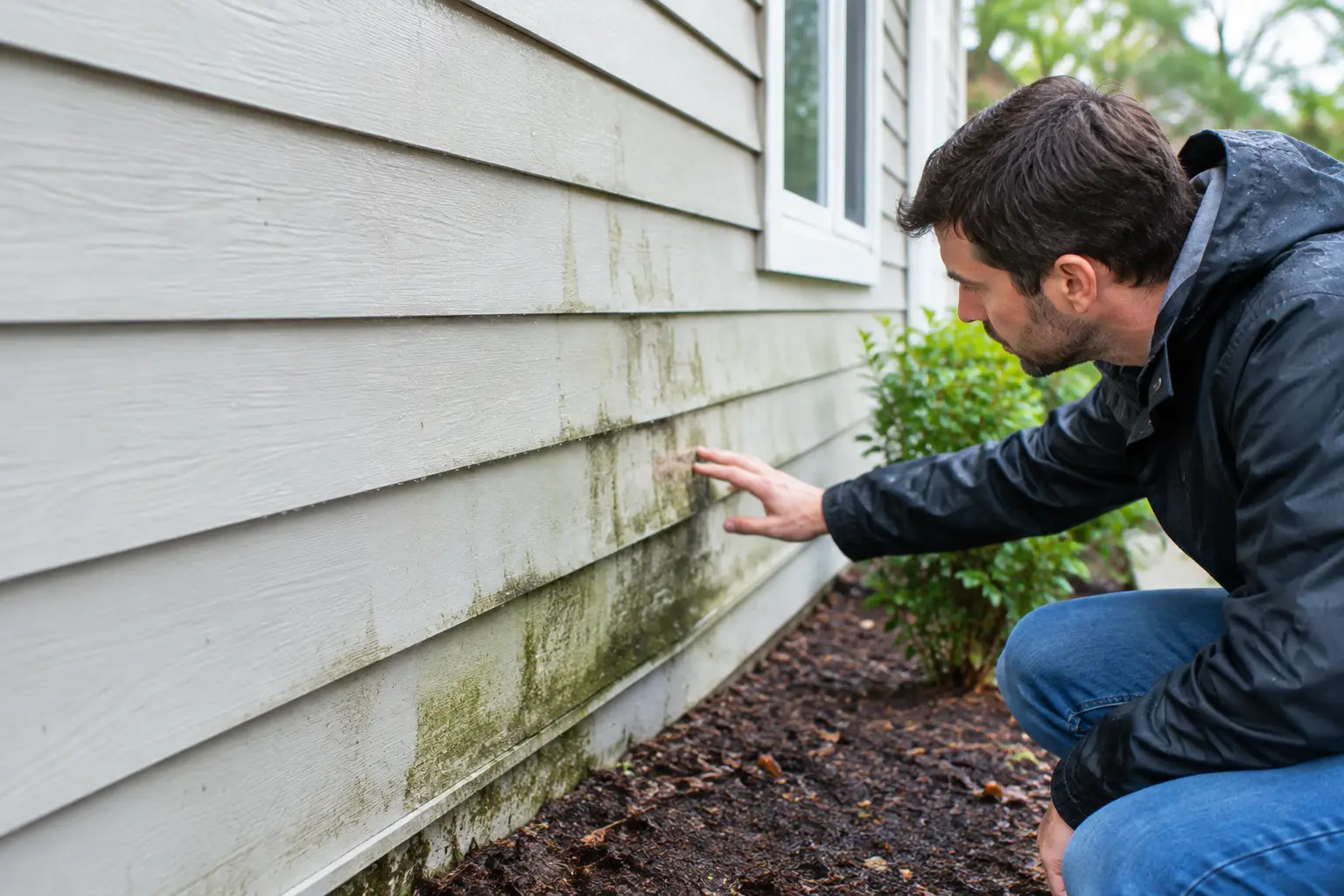
Even premium siding can fail early if water is allowed behind it. Before replacing siding, the contractor should inspect the existing wall for hidden rot, soft sheathing, damaged framing, failed flashing, and water intrusion around windows or roof intersections. Covering those issues with new panels only delays a more expensive repair.
A dependable siding project should include a plan for weather-resistive barriers, flashing, drainage paths, trim, venting, and fasteners. In coastal conditions, stainless steel or other approved corrosion-resistant fasteners are often worth the investment. Properly installed housewrap and flashing help direct water out, rather than trapping it behind the new exterior.
Permits and local code requirements may also affect the project, particularly in high-wind zones or communities with specific design standards. Working with a licensed, insured contractor helps ensure the finished system is built for the property rather than installed with a one-size-fits-all approach.
Choosing the Right Option for Your Property
For many coastal New Jersey homes, fiber cement or cellular PVC offers the best balance of durability, appearance, and moisture resistance. Premium vinyl can be an excellent lower-maintenance value for homes with less direct exposure, while engineered wood and cedar appeal to owners willing to stay ahead of maintenance. Metal can be a smart modern choice when corrosion protection is specified correctly.
The right decision starts with an on-site evaluation. Consider how close the home is to the water, how much wind it receives, whether trees provide protection, the age of the existing exterior, and how much future maintenance you are willing to take on. American Supreme Construction can help property owners compare materials, identify hidden exterior concerns, and build a siding plan designed for dependable protection through every season.
Your siding should do more than refresh curb appeal. It should give you confidence that the walls behind it are protected when the next coastal storm arrives.