A hailstorm can leave a roof looking normal from the driveway while creating damage that shortens its service life. Learning how to identify roof hail damage promptly helps protect your home or commercial property before small impacts turn into leaks, interior water damage, or a larger insurance issue.
Hail damage is not always dramatic. A roof does not need missing shingles or a visible hole to be compromised. On asphalt shingles, the impact may fracture the protective surface and expose the layer beneath it. On metal, slate, tile, gutters, and siding, the signs look different. The safest approach is to check what you can see from the ground, document the storm evidence, and arrange a professional inspection when there is a reasonable concern.
Start With Evidence Around the Property
Before looking at the roof itself, inspect the areas where hail damage is easier and safer to see. Hail often leaves clues on softer metal surfaces and exterior accessories. Check gutters, downspouts, gutter guards, window screens, mailbox posts, metal flashing, air-conditioning covers, outdoor furniture, and vehicles.
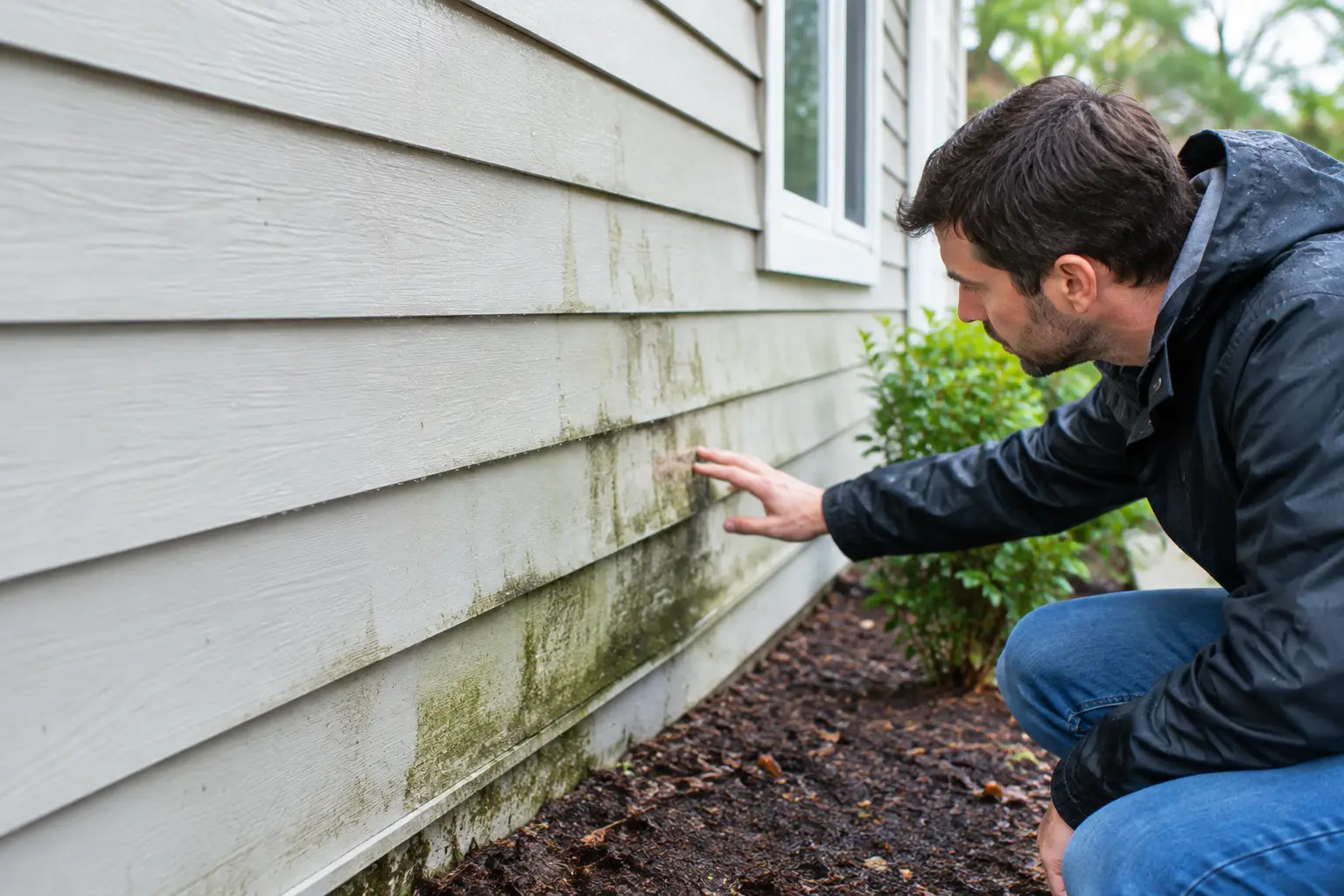
Fresh dents in aluminum gutters or downspouts can support a hail damage claim, particularly when they appeared immediately after a documented storm. Look for chipped paint on painted metal, cracked plastic vent covers, torn screens, and dents on roof-mounted equipment. These signs do not prove the roof is damaged, but they help establish that hail hit the property with enough force to warrant a closer evaluation.
Also walk the yard carefully. Large pieces of hail may have damaged plants, split leaves, or knocked branches down. Take clear, date-stamped photos of these conditions before cleanup. If possible, save a few hailstones in a freezer with a note of the storm date and approximate size. This can be useful if you later need to discuss the event with an insurer.
How to Identify Roof Hail Damage From the Ground
A ground-level inspection should focus on broad changes, not close-up diagnosis. Stand far enough back to view each roof slope in good daylight. Binoculars can help, but do not use them as a substitute for a hands-on inspection by a qualified roofing professional.
Look for shingles that appear darker, uneven, creased, cracked, lifted, or missing. A hail impact can create a dark spot where granules have been knocked loose, although normal aging can also cause granule loss. On a newer roof, scattered dark marks after a storm deserve attention. On an older roof, the assessment requires more care because wear from sun exposure, age, and weather may already be present.
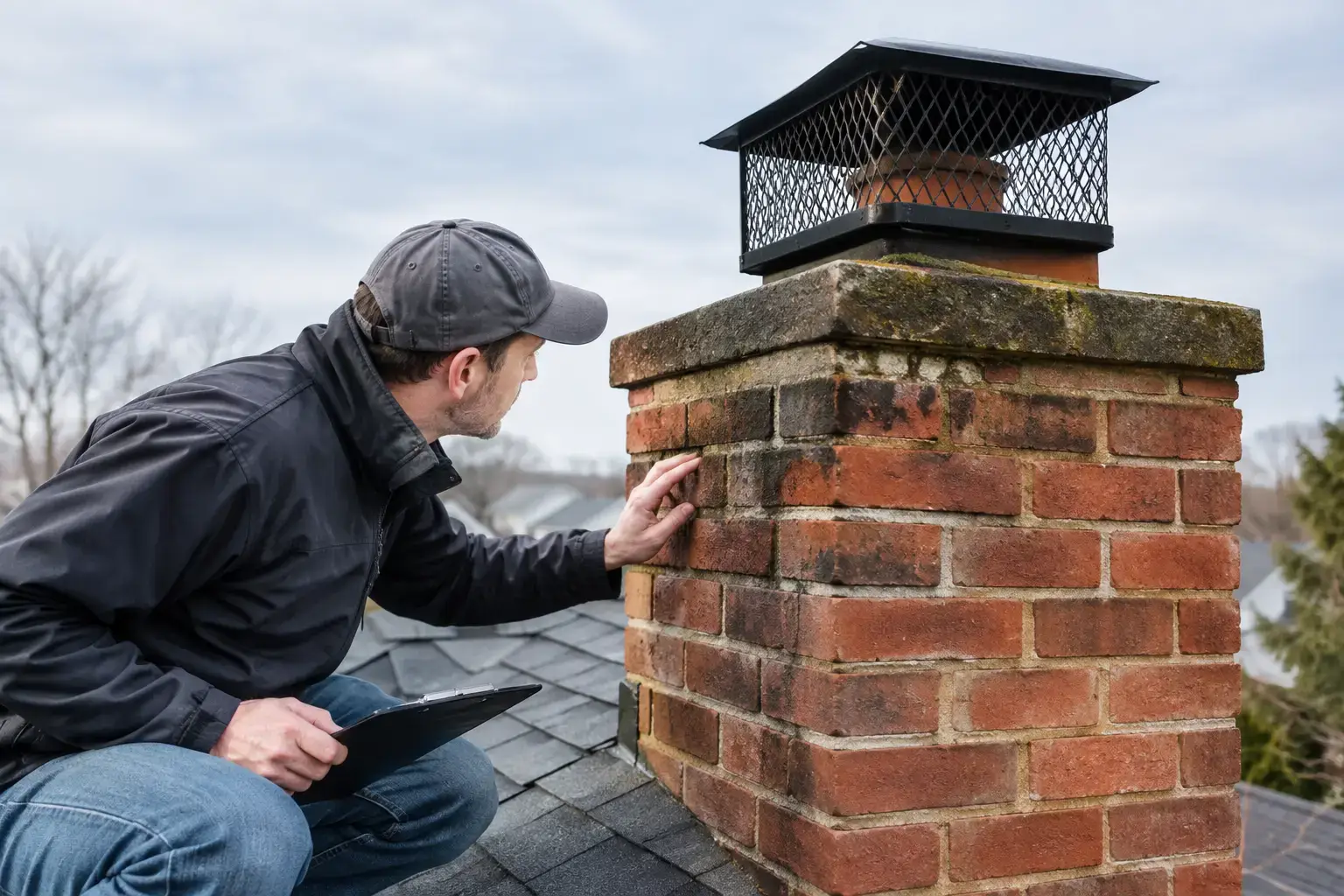
Pay attention to ridgelines, valleys, skylights, vents, chimneys, and roof-to-wall transitions. These areas are common points of water entry because they rely on flashing, sealant, and properly layered materials. A hailstorm can crack a vent cap, dent flashing, or loosen an already vulnerable shingle edge.
If you see a fresh leak, stain, or damp spot inside after a hail event, treat it as urgent. Water may travel along roof decking or framing before it reaches the ceiling, so the visible stain may not sit directly beneath the damaged area.
What Hail Damage Looks Like on Different Roof Materials
Hail does not affect every roofing material in the same way. The size, density, wind direction, roof slope, age of the material, and prior condition of the roof all affect the result.
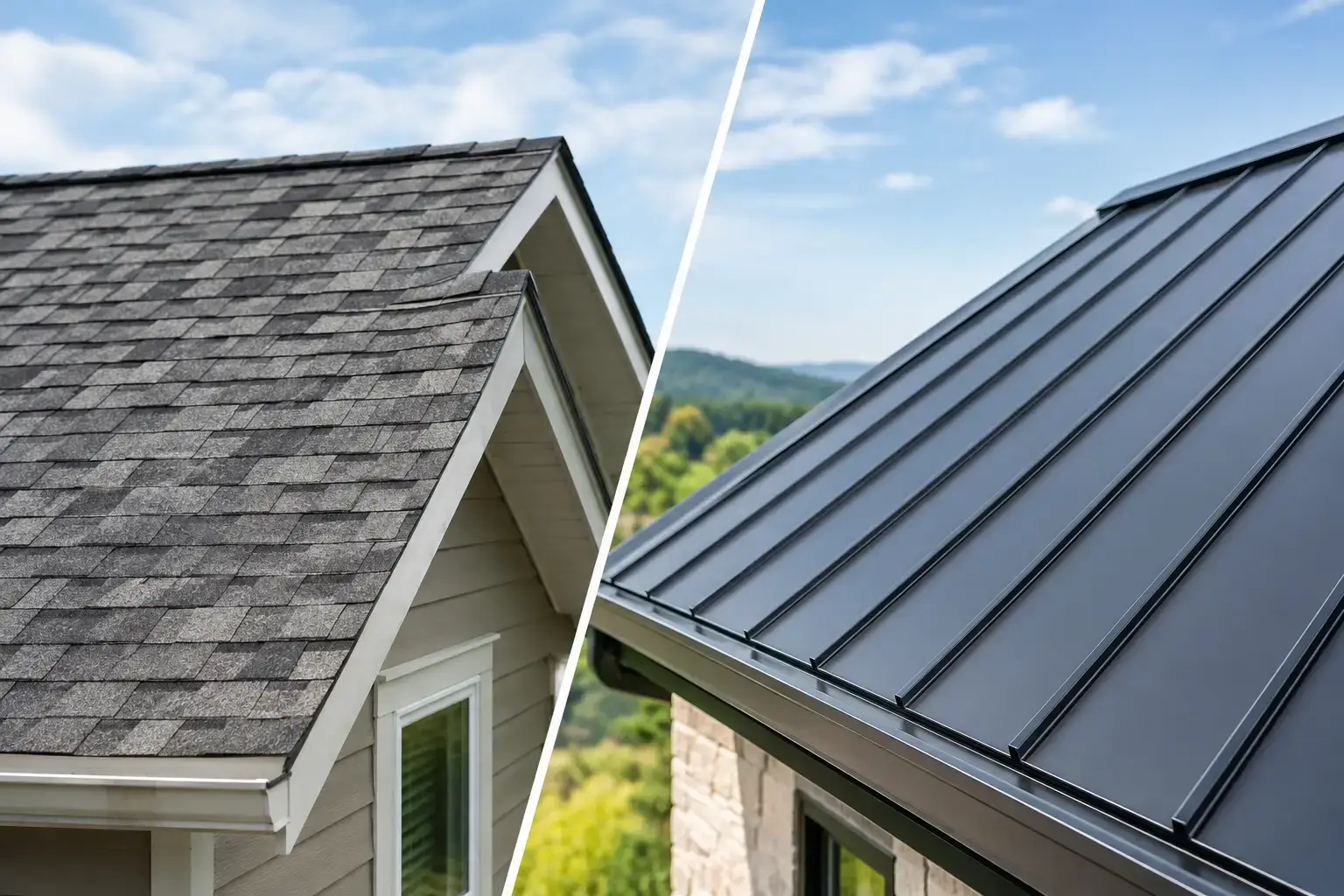
Asphalt shingles
Asphalt shingles are common throughout New Jersey and the Tri-State area. Hail impacts may leave circular or irregular bruises, areas of missing granules, or soft spots that feel different from the surrounding shingle. The exposed asphalt beneath the granules can become more vulnerable to ultraviolet light and moisture over time.
A true hail bruise may not be obvious to an untrained eye. It can resemble a dark spot, but close inspection may show fractured material beneath the surface. Granules found in gutters can be another clue, though some granule loss is normal as shingles age. A professional inspection helps separate ordinary wear from storm-related damage.
Metal roofing
Metal roofs may show dents, dings, chipped coatings, or damaged seams. Cosmetic dents are still worth documenting because they can affect appearance and property value. More serious concerns arise when hail damages protective coatings, fasteners, seams, flashing, or the areas around penetrations.
Not every dent requires roof replacement. The right repair depends on the type of metal system, the depth and location of the dent, and whether the roof remains watertight. A careful assessment prevents unnecessary work while identifying conditions that could lead to corrosion or leaks.
Slate, tile, and wood roofs
Slate and tile can crack, chip, or break under hail impact. Broken pieces may be visible in gutters or on the ground, but damage can also be hidden beneath overlapping courses. Wood shingles and shakes may split, crack, or lose surface material.
These roofing systems should not be walked on casually. Slate and tile can break under foot traffic, and steep roofs create serious fall hazards. Have an experienced contractor inspect these materials using safe access methods.
Do Not Mistake Normal Wear for Hail Damage
A reliable hail inspection is about accuracy, not simply finding anything that looks imperfect. Roofs develop wear from heat, wind, tree branches, foot traffic, installation issues, and age. Blistering, manufacturing defects, scuff marks, and natural granule loss can resemble hail damage from a distance.
Hail damage is often more random in pattern, with impacts appearing across exposed areas of a roof slope. Wind damage, by comparison, may concentrate along edges or show as lifted and creased shingles. Mechanical damage from foot traffic often follows a path. These are general patterns, not firm rules, which is why an experienced roof inspection matters.
Be cautious with anyone who promises an insurance-funded replacement before inspecting the roof thoroughly. A trustworthy contractor should explain what was observed, distinguish visible facts from professional recommendations, and provide a clear written estimate for any needed repairs or replacement.
Check the Attic and Interior, Too
Your roof is part of a larger weather barrier. After a hailstorm, inspect the attic during daylight hours if it is safe to do so. Look for fresh moisture, wet insulation, water staining, mold-like odors, or daylight showing through the roof deck. Never touch electrical wiring or enter an attic with unsafe flooring, active leaks near electrical fixtures, or visible structural concerns.
Inside the building, check top-floor ceilings, exterior walls, skylight wells, and areas around chimneys. New yellow-brown stains, bubbling paint, peeling wallpaper, or dripping water should be photographed. Even if the roof damage appears minor, moisture can affect insulation, drywall, framing, and indoor air quality if left unaddressed.
Document Conditions Before Making Repairs
Timely documentation makes the next steps easier. Take wide photos of each side of the property and closer photos of dents, cracked accessories, damaged screens, roof debris, and interior staining. Record the storm date, the approximate hail size if known, and when you first noticed the damage.
Temporary protection may be necessary if water is entering the property. Cover exposed areas only when it can be done safely, and keep receipts for emergency materials or mitigation work. Avoid permanent repairs before an insurance inspection unless delaying them would cause additional damage. If urgent work is needed, photograph the condition first and retain any damaged materials when practical.
Review your insurance policy and contact your carrier promptly if you suspect covered storm damage. Claim requirements and deadlines vary. A professional roofing inspection can provide a clearer picture of the roof’s condition and help you make informed decisions, but the insurer determines coverage.
When to Schedule a Professional Roof Inspection
Schedule an inspection after a storm that produced large hail, especially if you find dents on gutters, damaged screens, or new interior moisture. You should also call sooner rather than later if your roof is older, has prior repairs, contains skylights or chimneys, or has been affected by wind-driven rain.
Do not climb onto a wet, steep, or debris-covered roof. Falls are a far greater immediate risk than most property owners realize, and walking on damaged shingles can make the problem worse. A licensed and insured contractor can inspect the roof, flashing, gutters, and related exterior components while documenting conditions safely.
American Supreme Construction provides clear, property-specific evaluations for homeowners and commercial owners across New Jersey and the Tri-State area. The goal is not to push a replacement when a repair will protect the building. It is to identify the true condition of the roof, explain the available options, and complete the work with quality materials and accountable craftsmanship.
After hail, a careful inspection gives you something more valuable than a quick guess: a clear path forward. Protect the property, keep good records, and get qualified advice before a hidden impact has time to become a costly leak.