
A storm can leave a roof looking perfectly normal from the driveway while wind-driven rain has already loosened flashing, lifted shingles, or opened a path for water behind the exterior. A prompt storm damage roof inspection gives property owners a clear picture of what happened before a small defect becomes a ceiling stain, mold concern, or larger structural repair.
For homes and commercial properties across New Jersey and the Tri-State area, the right next step is not always a full roof replacement. Sometimes a targeted repair will protect the building for years. The difference comes down to a careful inspection, honest findings, and repairs that address the source of the problem rather than only the visible symptom.
Start With Safety, Not a Ladder
After severe wind, hail, heavy rain, or a fallen branch, avoid climbing onto the roof yourself. Wet shingles, hidden soft spots, damaged decking, and loose materials make post-storm roofs especially dangerous. Keep children, pets, and vehicles away from downed branches or visibly unstable areas.
From the ground, look for obvious conditions that require immediate attention: a tree limb on the roof, sagging roof sections, missing shingles scattered around the property, exposed underlayment, or water entering the attic or living space. If water is actively coming in, place containers under the leak, move furniture and valuables away from the area, and photograph the interior damage if it is safe to do so.
A qualified contractor can inspect the roof with the proper safety equipment and determine whether temporary protection, such as emergency tarping, is needed before permanent repairs can begin.
What a Professional Storm Damage Roof Inspection Covers
A dependable inspection is more than a quick look at the shingles. Storm damage can affect several connected parts of the roof system, and overlooking one can allow water to keep working its way into the building.
Roofing materials and roof edges
High winds can crease, lift, crack, or remove shingles. A shingle may remain attached but lose its protective seal, making it more likely to blow off during the next storm. Inspectors look for missing tabs, bruising, granule loss, exposed fasteners, and damaged ridge caps.
Roof edges deserve close attention because wind often gets underneath materials at rakes, eaves, and ridges first. Loose drip edge, damaged fascia, or separated trim can create openings for water and pests.
Flashing, vents, skylights, and chimneys
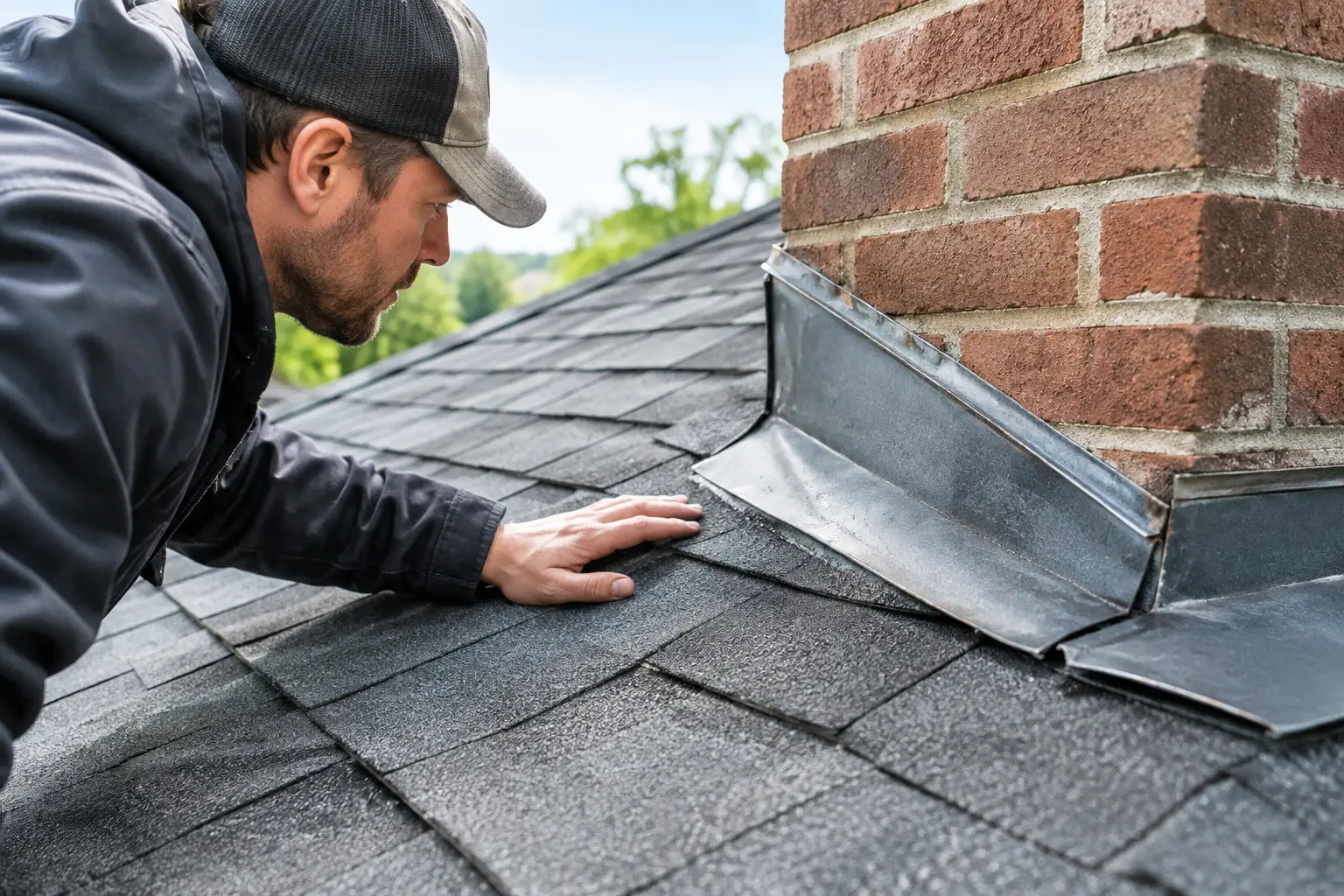
The most vulnerable points on many roofs are where the roof meets another feature. Flashing around chimneys, vent pipes, skylights, dormers, and walls must direct water away from these transitions. Wind can pull flashing loose, while driving rain can expose gaps that were not leaking before the storm.
A good inspection checks sealant conditions, metal flashing, counterflashing at chimneys, vent boots, and skylight curbs. For masonry chimneys, the contractor should also look for cracked mortar, loose bricks, damaged caps, and deteriorated crown surfaces that may be allowing water inside.
Gutters and drainage paths
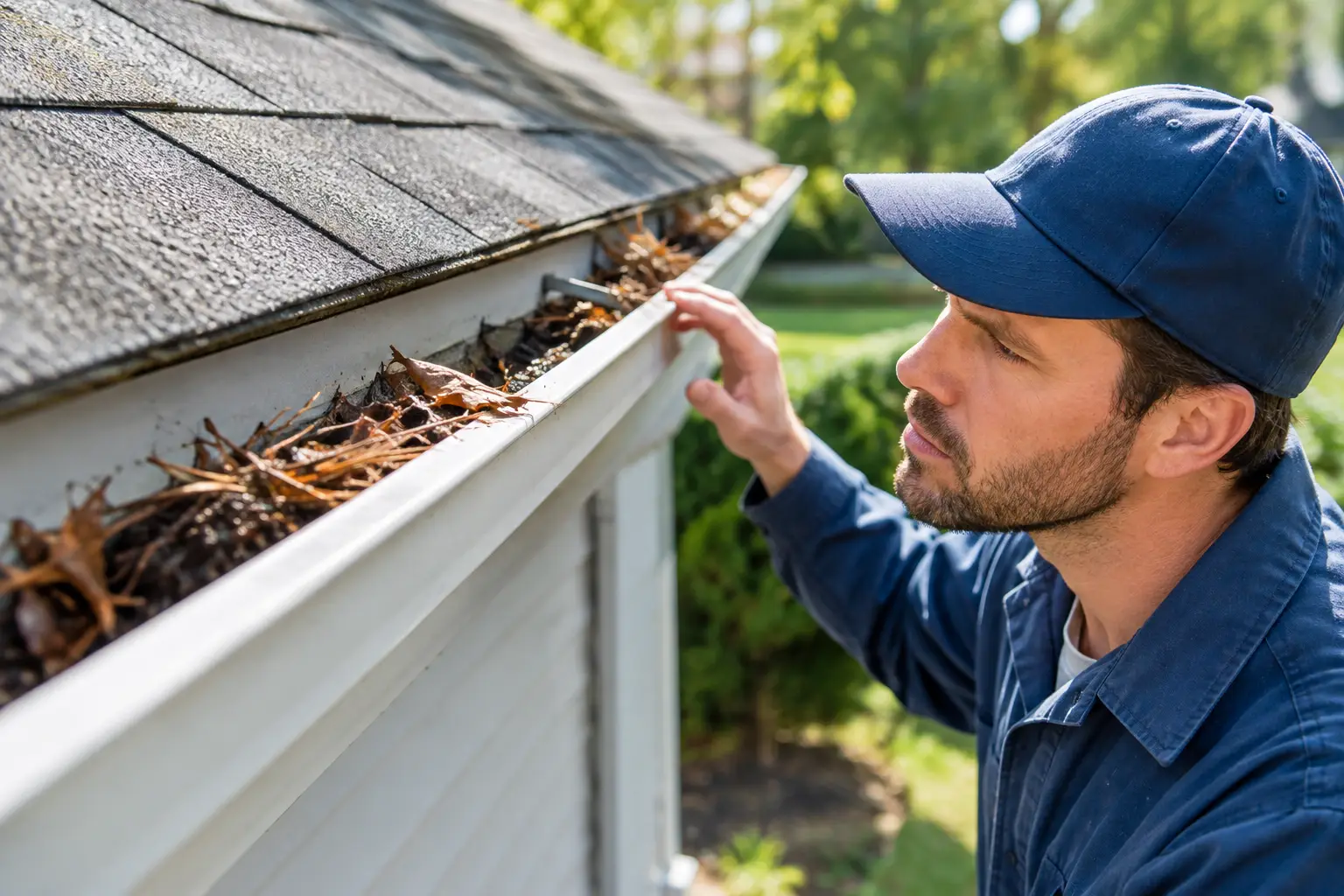
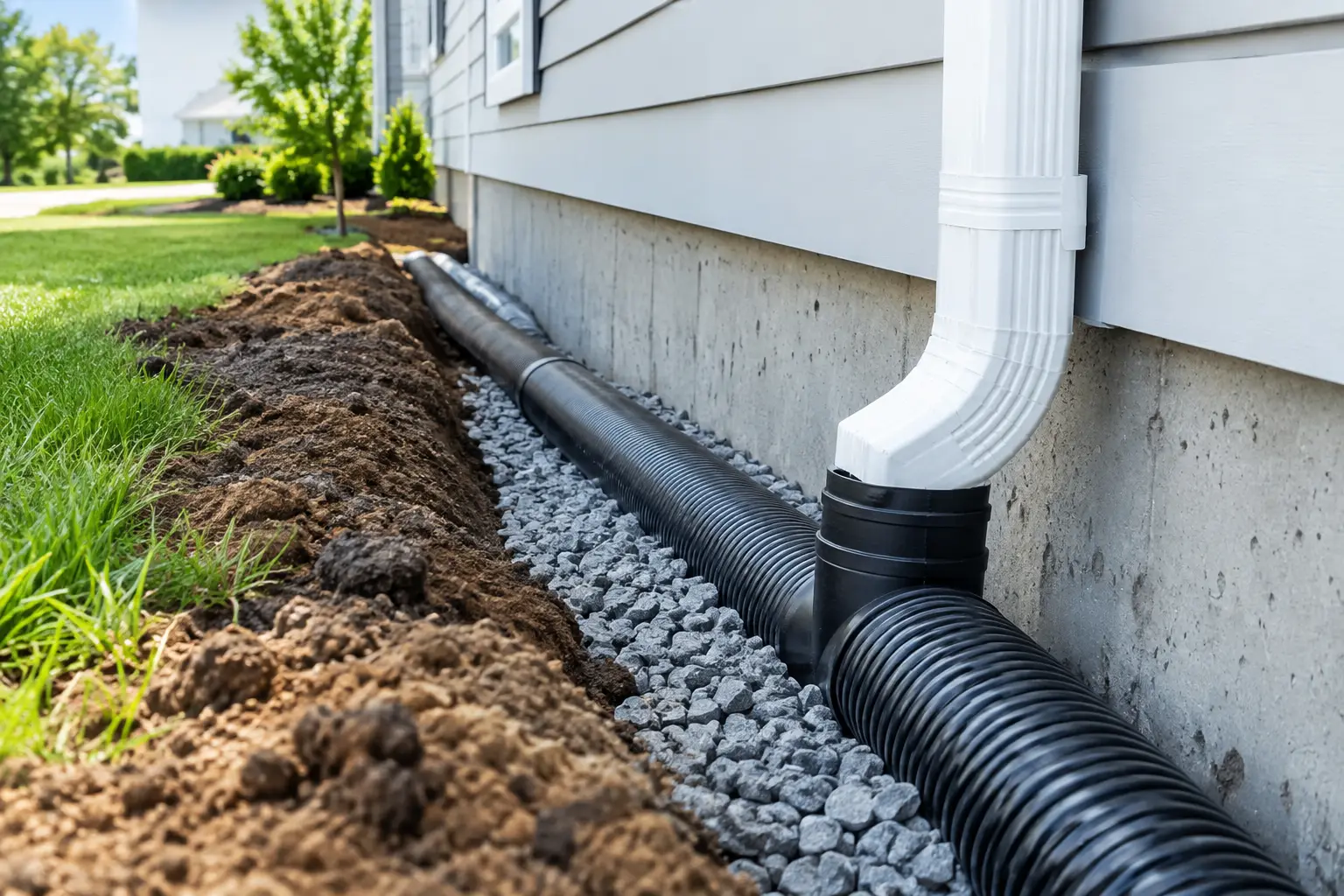
Gutters are not separate from roof performance. When a storm fills them with leaves, granules, shingle pieces, or small branches, water can back up beneath the roof edge. Loose gutters and bent downspouts may also direct water toward siding, foundations, steps, or landscaping instead of safely away from the property.
The inspection should identify blockages, separated hangers, damaged gutter sections, and drainage issues at the base of the downspouts. These repairs are often straightforward, but delaying them can increase the risk of water intrusion around the exterior.
Attic, ceiling, and interior moisture evidence
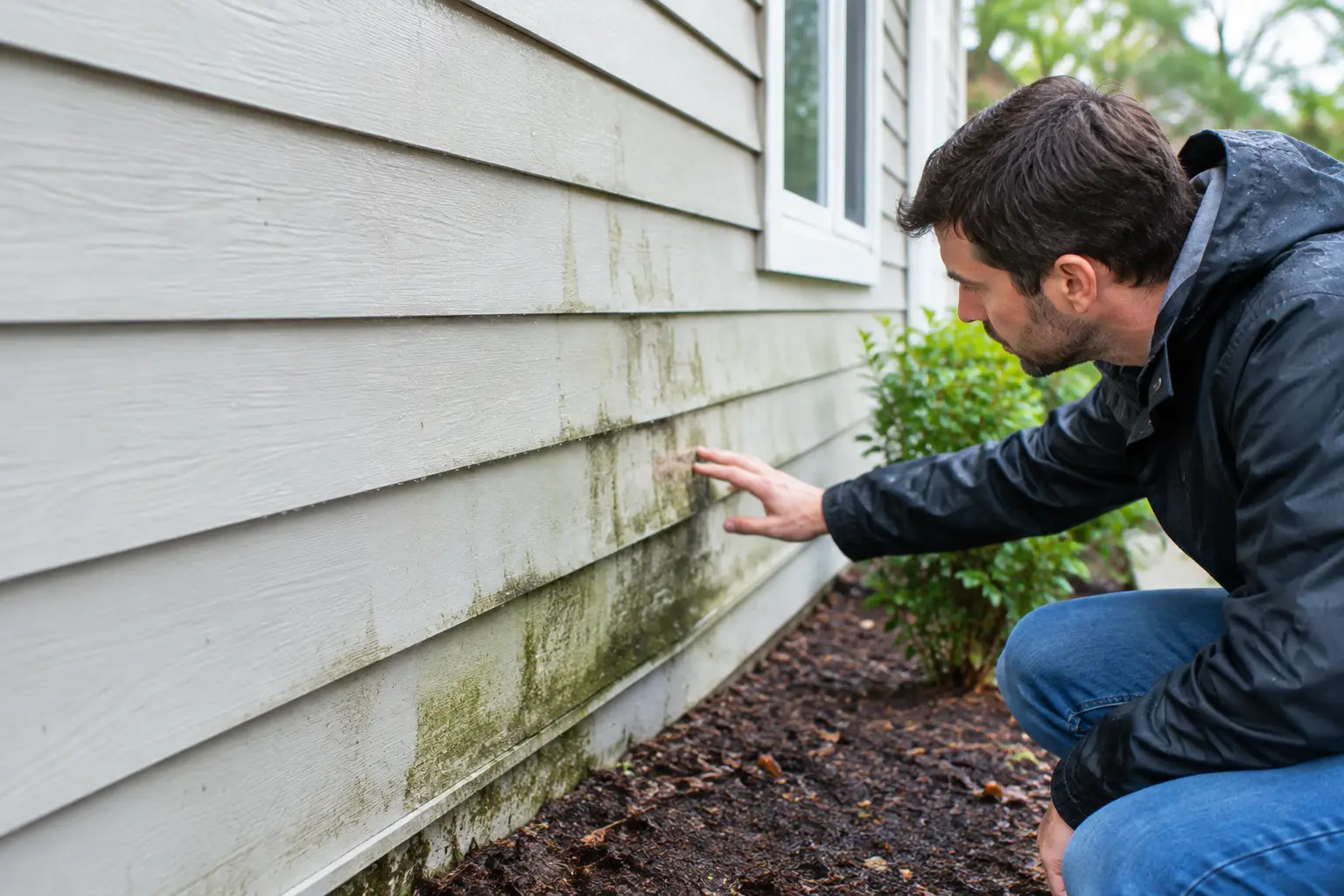
Not all storm damage is visible outside. An attic inspection can reveal wet insulation, damp sheathing, rusted nails, water tracks, musty odors, or daylight showing through openings. Inside the building, look for new ceiling discoloration, peeling paint, bubbling drywall, warped trim, or unexplained moisture near exterior walls.
A roof leak does not always appear directly below the damaged area. Water can travel along rafters, decking, insulation, or framing before it reaches the ceiling. That is why interior clues should be considered alongside the roof findings.
Signs You Should Schedule an Inspection Quickly
A roof should be checked after any storm that causes visible damage nearby, especially if neighbors have lost shingles or trees have come down. You should also arrange an inspection promptly when you notice these warning signs:
- Shingles, flashing pieces, or roofing granules on the ground or in gutters
- New water stains, dripping, or damp attic insulation
- Loose, bent, or overflowing gutters after heavy rainfall
- A branch strike, fallen tree, or debris impact on the roof
- Wind noise, rattling vents, or visible lifted shingles along roof edges
Hail deserves special attention because its damage can be difficult to identify from the ground. Hail impacts may bruise shingles and shorten their service life without creating an immediate leak. An experienced inspector can distinguish storm-related impact marks from normal aging and surface wear.
Why Timing Matters After a Storm
Waiting for a leak to get worse may seem practical, particularly if the roof is older and the damage looks minor. In reality, delay can make the final repair more expensive. Wind-lifted shingles can admit rain beneath surrounding materials. A small flashing gap can saturate decking or insulation. Water that remains trapped in a roof or wall assembly can lead to rot and mold conditions over time.
There is also a documentation reason to act quickly. Clear photos, a written inspection report, and detailed repair recommendations establish the condition of the roof soon after the event. This can be useful when reviewing insurance coverage or planning repairs with a property manager, tenant, or business owner.
That said, not every storm-related mark calls for urgent replacement. A professional assessment should separate cosmetic concerns from conditions that affect weather protection, safety, or the remaining life of the roof. Property owners deserve a recommendation based on the actual condition of the system, not pressure to approve unnecessary work.
Repair or Replacement: How the Decision Is Made
The right solution depends on the age of the roof, the material type, the location and extent of damage, and whether matching materials are available. A newer roof with a limited number of missing shingles or damaged flashing may be an excellent candidate for focused repair.
Replacement may make more sense when damage is widespread, the roof is near the end of its expected service life, leaks have affected the decking in multiple areas, or repeated repairs are beginning to add up. For a commercial property, the decision may also depend on how repairs could affect operations, tenants, equipment, and long-term maintenance costs.
The best estimate explains what was found, why a particular repair or replacement is recommended, which materials will be used, and what work is included. It should not leave you guessing whether chimney flashing, gutters, decking, permit requirements, or cleanup are part of the scope.
What to Expect From the Inspection Process
A clear process makes a stressful situation manageable. The contractor should listen to what you noticed during and after the storm, inspect the affected exterior and accessible interior areas, document the findings, and explain the options in plain language.
Ask whether immediate weather protection is needed, whether the contractor is licensed and insured, and how the repair will be warranted. If repairs involve structural work, chimney rebuilding, or a larger roof replacement, ask about permits and how the jobsite will be protected and cleaned throughout the project.
At American Supreme Construction, our team approaches storm-related work with the same care we bring to every exterior project: thorough evaluation, transparent estimates, premium materials, safety-focused work practices, and clear communication from the first visit through completion.
Protect the Building Before the Next Rainfall
Storms are unpredictable, but the response does not have to be. A timely inspection can catch damage while a repair is still limited, protect the people and property inside, and give you reliable information for the next decision. If your roof has been through severe weather, arrange a professional evaluation before the next rainfall has a chance to turn a hidden weakness into a bigger problem.
3 Responses