A water spot beneath a skylight rarely stays a small problem for long. What begins as a faint stain on drywall can turn into peeling paint, damaged insulation, soft roof decking, mold growth, and costly repairs beyond the skylight itself. A professional skylight leak repair service identifies where water is entering, corrects the cause at the roof level, and helps protect the rest of your home or commercial property.
For New Jersey and Tri-State property owners, timing matters. Heavy rain, wind-driven storms, snow, and freeze-thaw cycles can expose weak flashing and aging roof materials quickly. The right repair is not simply caulk around the frame. It starts with a careful inspection and a repair plan built around the condition of the skylight, roof, and surrounding structure.
Why a Skylight Can Leak Even When the Glass Looks Fine
The skylight itself is not always the source of the leak. Water can travel beneath shingles or roofing underlayment before it appears around the opening, which makes the visible stain misleading. A contractor needs to inspect the entire area rather than treat the nearest seam.
One common cause is damaged or incorrectly installed flashing. Flashing is the metal and membrane system that directs water away from the skylight and into the roof’s drainage path. If it has lifted, corroded, been covered improperly by shingles, or was never integrated correctly, water can work its way below the roofing surface.
A worn skylight gasket or failed seal can also allow moisture into the unit, especially on older fixed skylights. Condensation can look similar to a roof leak as well. If warm, humid indoor air meets a cold skylight surface, it may create water droplets that run onto the frame or ceiling. That is a ventilation and insulation issue, not necessarily a flashing failure.
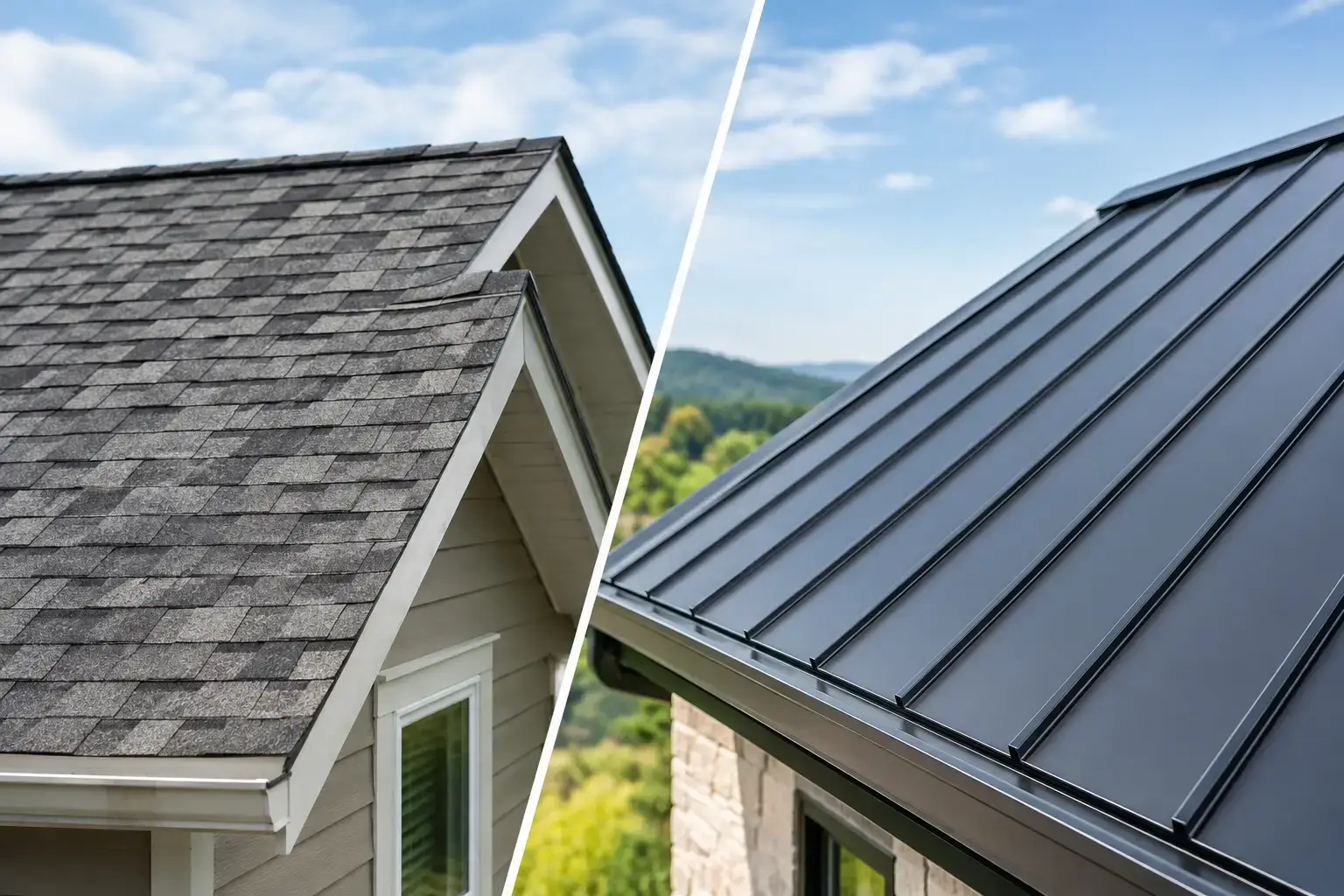
Roof age plays a major role too. When shingles around a skylight are cracked, curling, missing, or near the end of their useful life, a localized repair may only be a temporary answer. In that situation, the best value may be to replace the skylight as part of a broader roof repair or replacement project.
Signs You Should Schedule a Skylight Leak Repair Service
A ceiling stain near a skylight is the clearest warning sign, but it is not the only one. Brown rings, bubbling paint, sagging drywall, damp insulation, or a musty odor in the room all call for a prompt inspection. Waiting for another storm to see whether the problem returns gives water more time to damage concealed building materials.
You may also notice dripping during wind-driven rain but not during a light shower. This often points to flashing, shingle overlap, or roof drainage issues. Water that appears only during snowmelt can indicate an ice dam or poor insulation and ventilation near the roofline.
Watch for fogging between panes, visible cracks in the skylight lens, brittle seals, or drafts around the interior trim. These symptoms may mean the skylight unit has reached the point where replacement is more dependable than repeated repairs. A qualified contractor should explain the condition clearly and help you compare the costs of repair and replacement before work begins.
What a Proper Skylight Leak Inspection Includes
A reliable inspection goes beyond applying sealant around the exterior frame. The goal is to determine whether the problem comes from the glazing, the skylight curb, the flashing system, the roof covering, or moisture from inside the building.
The exterior inspection should include the shingles or roofing material around the skylight, step flashing, head flashing, underlayment, roof slope, fasteners, and drainage path. A contractor should also look for storm damage, nail pops, deteriorated sealant, and previous repair attempts that may be trapping water instead of shedding it.
Inside the property, the inspection may include the skylight frame, interior trim, drywall, insulation, and nearby attic space when accessible. This helps determine how far moisture has traveled and whether wood framing or insulation needs attention. For commercial properties with flat or low-slope roofs, the inspection may also focus on membrane seams, curb details, and ponding water around the opening.
Clear communication matters at this stage. You should receive a straightforward explanation of the findings, recommended scope of work, material options, and estimate. If a repair is appropriate, the contractor should say so. If the skylight or surrounding roof is too worn for a dependable repair, you deserve to know that before investing in a short-term fix.
Repair or Replace: Which Option Makes Sense?
Repair is often the right choice when the skylight is structurally sound and the problem is limited to flashing, roofing materials, or an isolated seal failure. Replacing damaged shingles, installing proper flashing, renewing underlayment, and correcting drainage can restore protection without replacing the full unit.
Replacement becomes more practical when the skylight is old, cracked, leaking in multiple places, poorly sized, or no longer energy efficient. It can also make sense when reroofing. Installing a new skylight while the surrounding roof is already being opened is usually more efficient than disturbing new shingles later for an aging unit.
The trade-off is straightforward: a smaller repair generally costs less upfront, but it may not be the best long-term investment if the skylight is near the end of its service life. A new, properly installed skylight costs more initially but may improve weather protection, energy performance, and peace of mind. The answer depends on the condition of the full roofing system, not just the leak visible inside.
Why Surface Caulk Is Rarely a Lasting Fix
Caulk has a place in certain manufacturer-approved details, but it should not be used as a substitute for correct flashing and roofing installation. Heavy beads of sealant around a skylight can crack with temperature changes, deteriorate under UV exposure, and redirect water into places it should not go.
Temporary patching may be necessary during an active storm or emergency situation. However, once conditions are safe, the area should be inspected and repaired correctly. Covering symptoms without addressing the water path can allow hidden rot and mold to continue developing.
This is especially important for landlords and commercial owners. A recurring leak can affect tenants, interior finishes, inventory, and daily operations. Addressing the source promptly protects the property and reduces the chance of a small maintenance issue becoming a larger liability.
Protecting Your Property Until Help Arrives
If water is actively dripping, move furniture, electronics, and valuables away from the affected area. Place a container beneath the drip and use towels to limit water spread. If the ceiling is bulging, keep people out of the area. A water-filled ceiling can collapse without much warning.
Avoid climbing onto a wet roof or attempting to remove shingles yourself. Skylight areas are particularly hazardous because roof surfaces can be slick and footing may be limited. Photograph the staining and visible damage when safe to do so, then arrange a professional inspection as soon as possible.
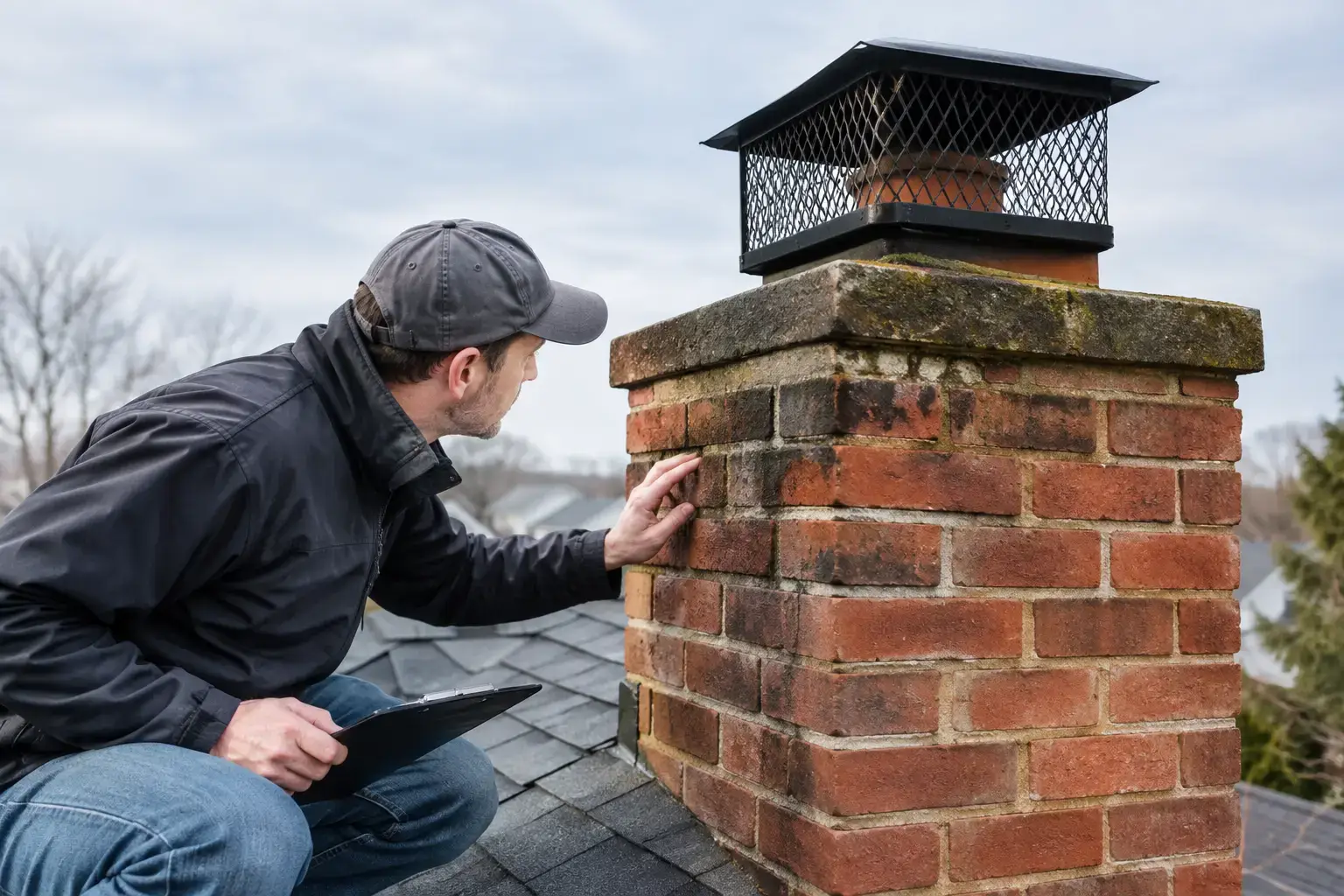
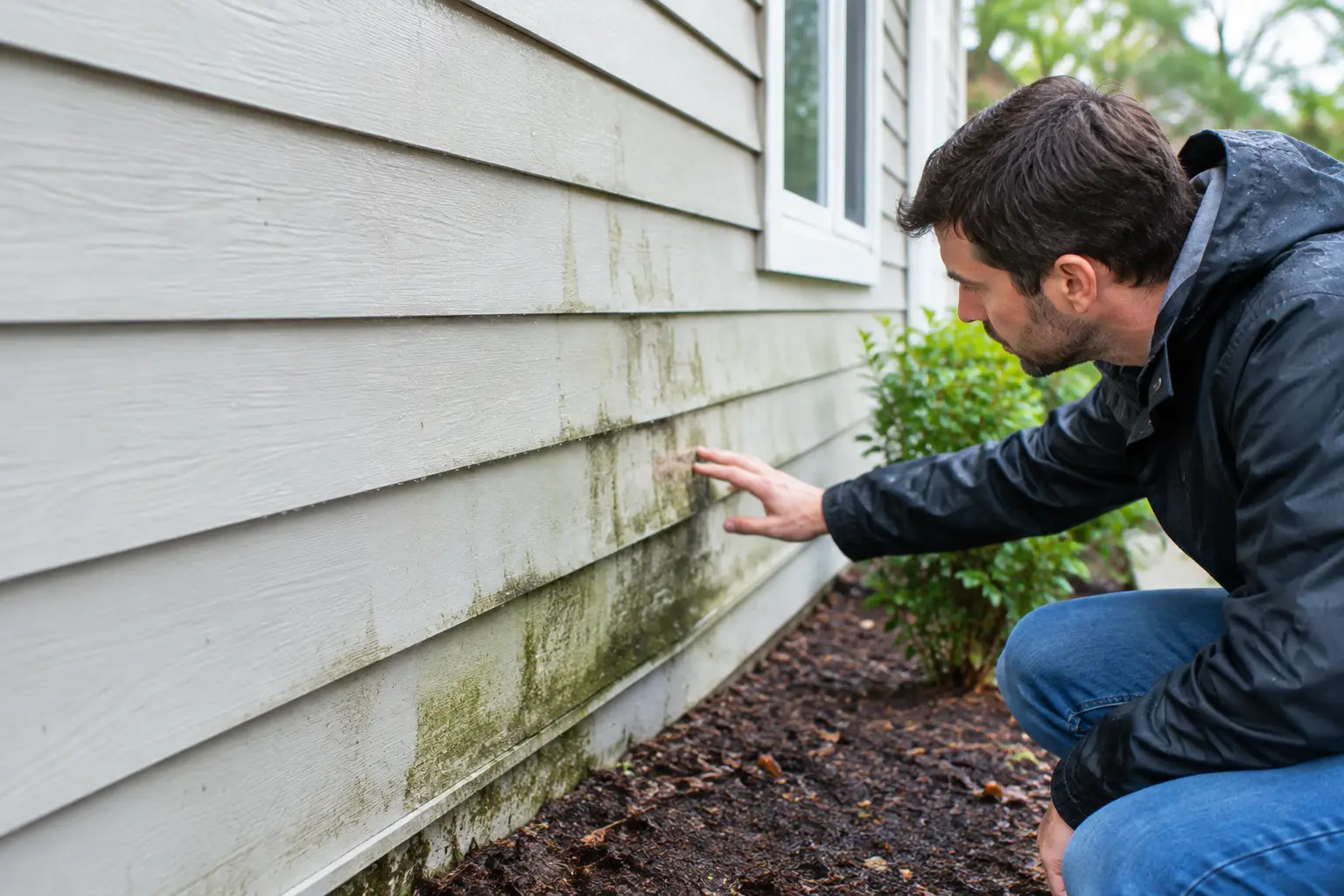
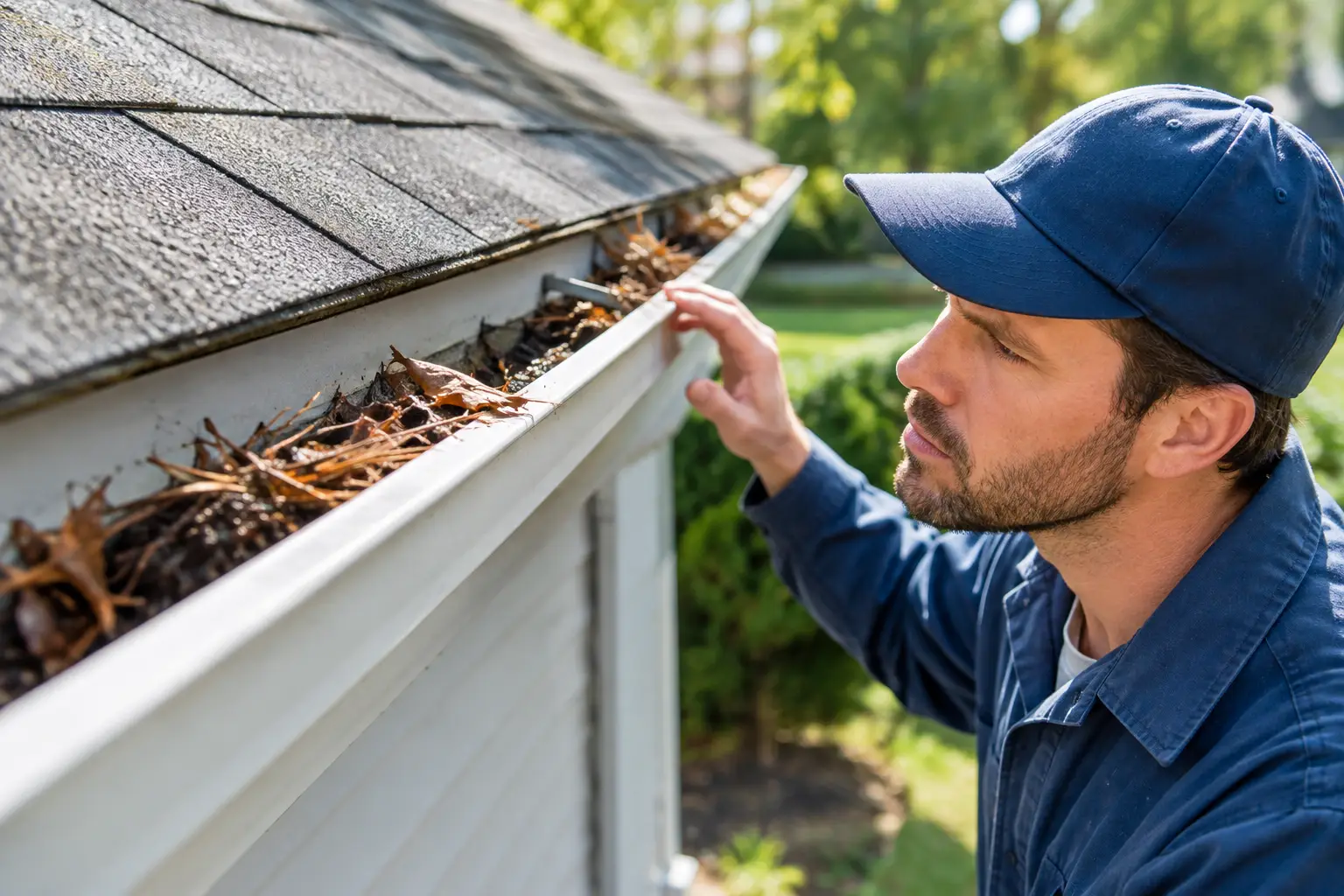
If the leak follows severe weather, it is also wise to inspect other exterior areas. Wind or impact damage that affects a skylight may have damaged shingles, gutters, siding, chimney flashing, or roof vents nearby. A complete exterior review can prevent separate leaks from being overlooked.
Choose a Contractor Who Repairs the Whole System
Skylight work sits at the intersection of roofing, weatherproofing, carpentry, and interior protection. The contractor you choose should be licensed and insured, experienced with both skylight and roof repairs, and willing to explain what caused the problem. Look for detailed estimates, quality materials, clean jobsite practices, and workmanship coverage that gives you confidence after the crew leaves.
American Supreme Construction brings more than 24 years of hands-on exterior construction experience to skylight, roofing, and water-intrusion repairs across New Jersey and the Tri-State area. Our team focuses on finding the actual source of the leak, communicating clearly about your options, and completing repairs with the care your property deserves.
A skylight should bring daylight into your space, not uncertainty every time rain is in the forecast. If you see staining, dripping, drafts, or damage around a skylight, schedule an inspection early and give the repair the attention it needs before the next storm does more damage.