A single loose siding panel can look minor from the driveway, but it may be the first opening that lets wind-driven rain reach the wall behind it. Prompt siding storm damage repair helps protect the framing, insulation, and interior finishes that homeowners never see until a small exterior issue becomes a costly water problem.
New Jersey and the surrounding Tri-State area see heavy rain, strong wind gusts, hail, falling branches, and winter freeze-thaw cycles. After any major storm, the right response is not to assume the exterior is fine because there is no visible leak indoors. A careful inspection, clear documentation, and qualified repair work can keep damage contained and help preserve your property investment.
What Storm Damage Looks Like on Siding
Storm damage is not always dramatic. Vinyl siding may crack, warp, pull away from its locking strip, or lose panels entirely. Fiber cement siding can chip, crack, or loosen around fasteners. Wood siding can split, absorb water, and begin to rot when its paint or protective finish is compromised. Aluminum siding may dent or crease after hail or flying debris.
Wind damage often appears near corners, rooflines, gable ends, windows, and doors. These areas experience added pressure during storms and are more likely to have loose trim, bent flashing, or separated panels. If siding has shifted, the problem may also involve the house wrap or moisture barrier behind it.
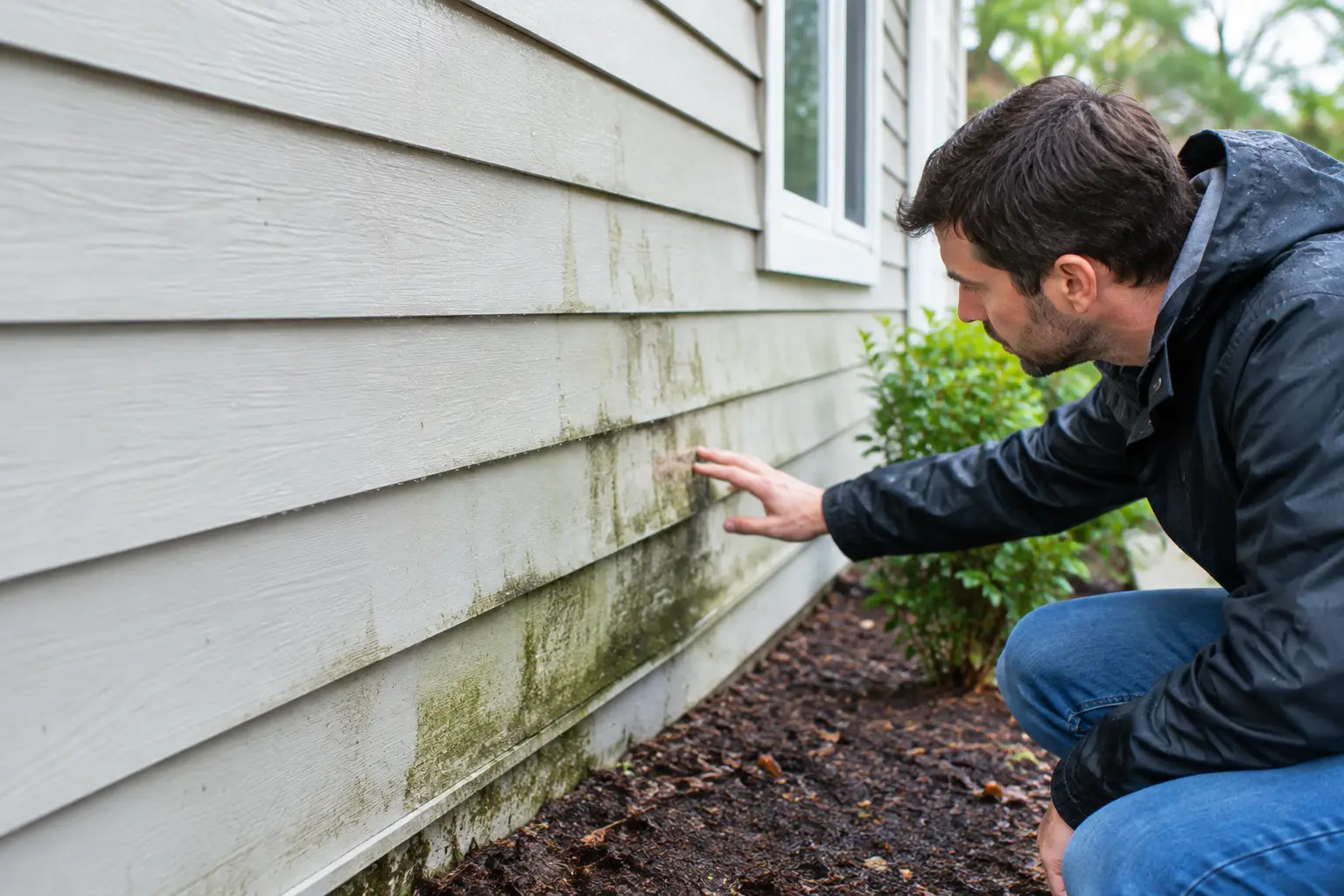
Look for obvious signs such as missing pieces, cracks, dents, holes, exposed sheathing, and siding that rattles in the wind. Less obvious warning signs include staining around interior windows, peeling paint, damp drywall, musty odors, or higher heating and cooling bills. Those symptoms can point to moisture or air infiltration behind the siding.
What to Do Immediately After a Storm
Safety comes first. Do not climb a ladder in wet or windy conditions, and stay clear of downed power lines, unstable trees, or hanging branches. If siding has come loose high on the home, it is safer to inspect it from the ground and arrange for a professional evaluation.
Take clear photos and videos before moving debris or making temporary repairs. Photograph the affected wall from a distance, then capture close-ups of cracks, missing panels, damaged trim, dents, and any water staining inside the property. Include pictures of related exterior damage, such as gutters, roofing, windows, or fallen branches. Storm damage is often connected across multiple parts of the exterior.
If rain is still expected and an opening exposes the wall, temporary protection may be needed. A contractor can secure loose material or install a properly fastened temporary covering without creating additional damage. Avoid using tape, nails, or improvised coverings that trap water against the wall or puncture undamaged siding.
For commercial property owners and landlords, document affected units and notify tenants of any areas that should be avoided. If water has entered the building, address drying quickly. The longer wet materials remain enclosed behind siding or inside wall cavities, the greater the risk of rot and mold growth.
Why Fast Siding Storm Damage Repair Matters
Siding is more than a finish. It is part of the building envelope that helps direct water away from the structure and protects the layers beneath it. When a panel or trim piece fails, rain can travel behind the cladding and remain hidden for weeks or months.
That is why a repair cannot always be limited to snapping one panel back into place. A responsible contractor should check the condition of the wall sheathing, house wrap, flashing, insulation, and fasteners in the damaged area. If the underlying layers remain intact, a targeted repair may be the most sensible and cost-effective option. If moisture has caused deterioration, replacing only the visible siding can hide a larger issue rather than solve it.
Timely repair also matters for appearance and resale value. Loose, faded, or mismatched siding can make a well-maintained home look neglected. More importantly, a damaged exterior can concern prospective buyers, tenants, lenders, and insurance inspectors.
Repair or Replacement: How to Make the Right Call
The right solution depends on the scope of the damage, the age and condition of the existing siding, and whether matching materials are available. A few damaged vinyl panels on a newer installation may be repaired efficiently. If the siding is brittle, extensively faded, or repeatedly coming loose, partial repair may not deliver a lasting result.
Color matching is another practical consideration. Even when the same siding product is still manufactured, years of sun exposure can change the appearance of existing panels. A professional can explain whether a replacement piece will blend reasonably well, whether a repair can be placed in a less noticeable area, or whether a larger section should be replaced for a consistent finish.
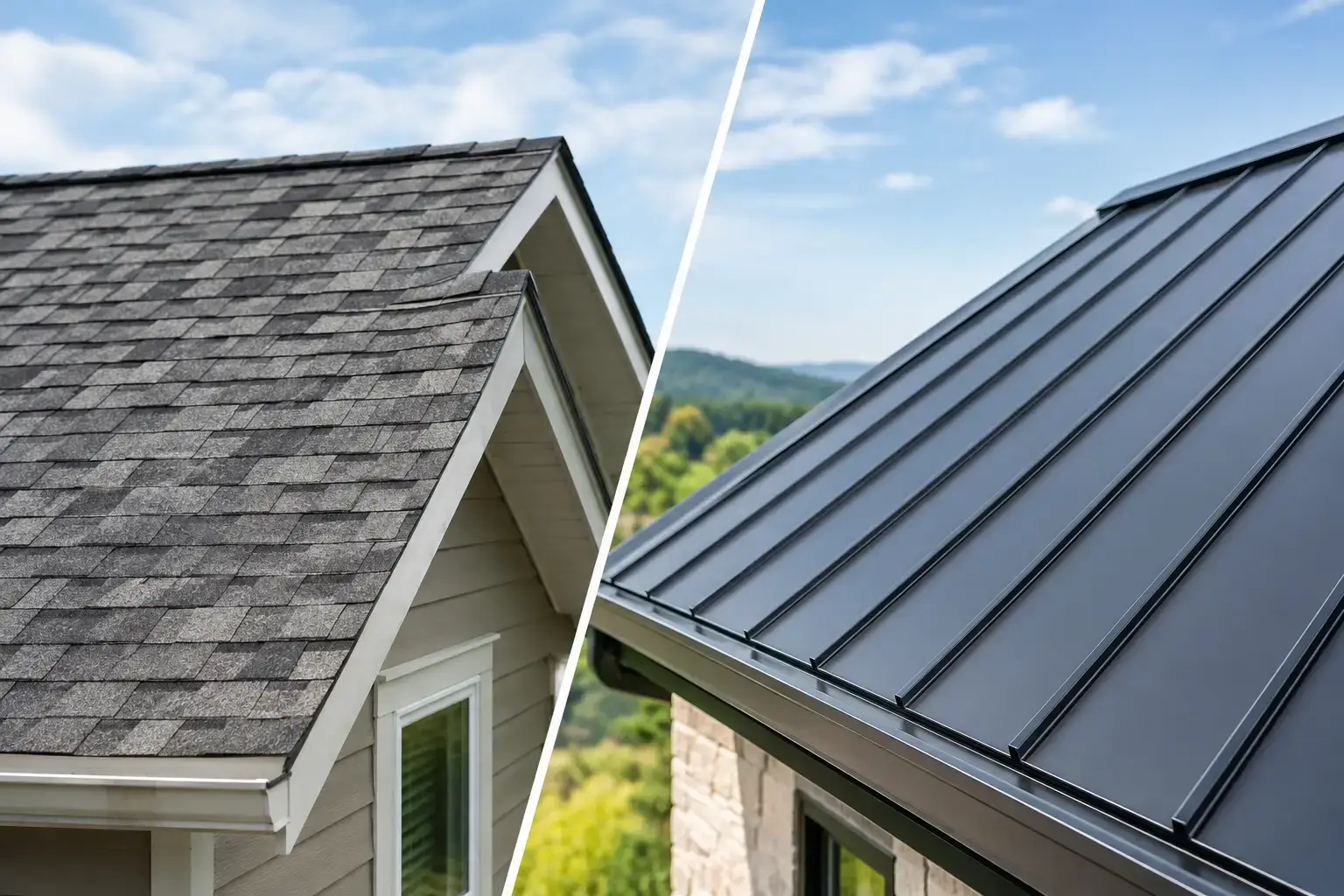
Replacement becomes more likely when there is widespread cracking, hail impact across several elevations, water-damaged sheathing, recurring leaks, or multiple failed repairs. It can also make sense when the property owner wants to improve insulation, upgrade aging trim, or coordinate siding work with roof, gutter, window, or masonry repairs.
No reputable contractor should push full replacement when a sound repair will protect the property. At the same time, the lowest-cost patch is not always the best value if it leaves damaged moisture barriers or weakened wall materials in place.
A Professional Siding Storm Damage Repair Inspection
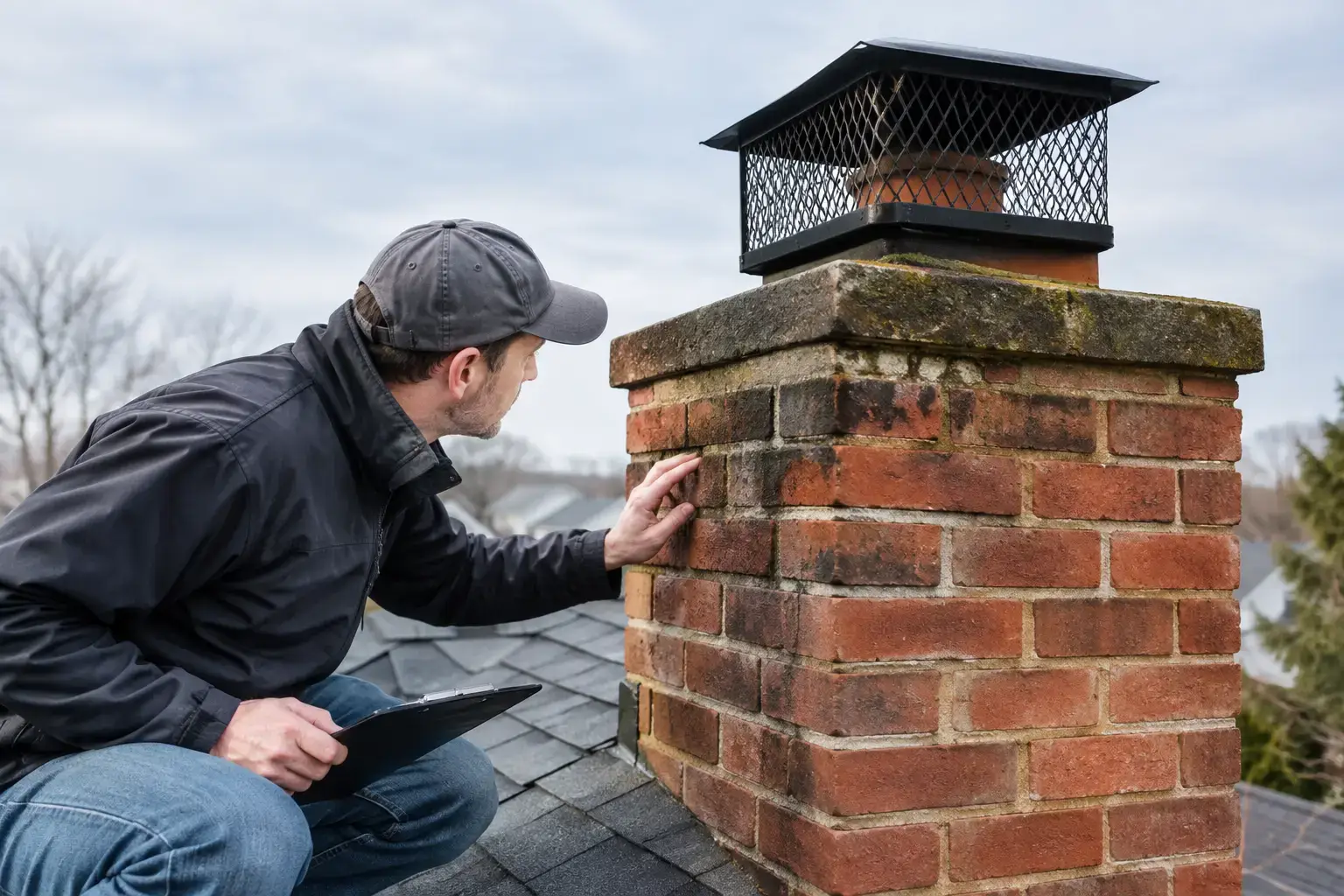
A thorough inspection should begin with the full exterior, not only the panel that caught your attention. Wind and debris may affect roofing, gutters, fascia, soffits, chimney flashing, skylights, and windows at the same time. Finding those related issues early can prevent duplicate work and help organize a complete repair plan.
The damaged siding area should then be examined closely for loose fasteners, broken locks, compromised trim, damaged flashing, and signs of water behind the cladding. When necessary, selected panels may need to be carefully removed so the contractor can inspect the wall layers beneath them.
You should receive a clear explanation of the findings, recommended repairs, material options, expected timing, and pricing. For work that requires permits or involves more extensive exterior restoration, confirm who will handle permit assistance and how the jobsite will be protected and cleaned. Clear communication is especially valuable after a storm, when homeowners may be managing insurance questions, temporary repairs, and competing contractor schedules.
American Supreme Construction approaches exterior repair with that full-picture mindset, helping property owners understand what is damaged, what is still sound, and what work is needed to restore dependable protection.
Working With Your Insurance Carrier
Storm-related siding damage may be covered by your property insurance policy, but coverage depends on the cause of loss, your deductible, the policy language, and the condition of the siding before the storm. Normal aging, deferred maintenance, and prior damage are treated differently from sudden wind, hail, or impact damage.
Start by reviewing your policy and reporting a claim according to your carrier’s requirements if you believe the loss may be covered. Keep photos, videos, receipts for emergency protection, inspection notes, and copies of all communications. Do not discard damaged materials until your carrier confirms it is acceptable to do so.
A detailed contractor estimate can help you understand the scope of necessary work, but it does not replace the insurance carrier’s claim decision. Be cautious of anyone who guarantees coverage, pressures you to sign immediately, or suggests exaggerating damage. Choose a licensed and insured contractor who documents conditions accurately and explains the repair plan in plain language.
Preventing More Damage Before the Next Storm
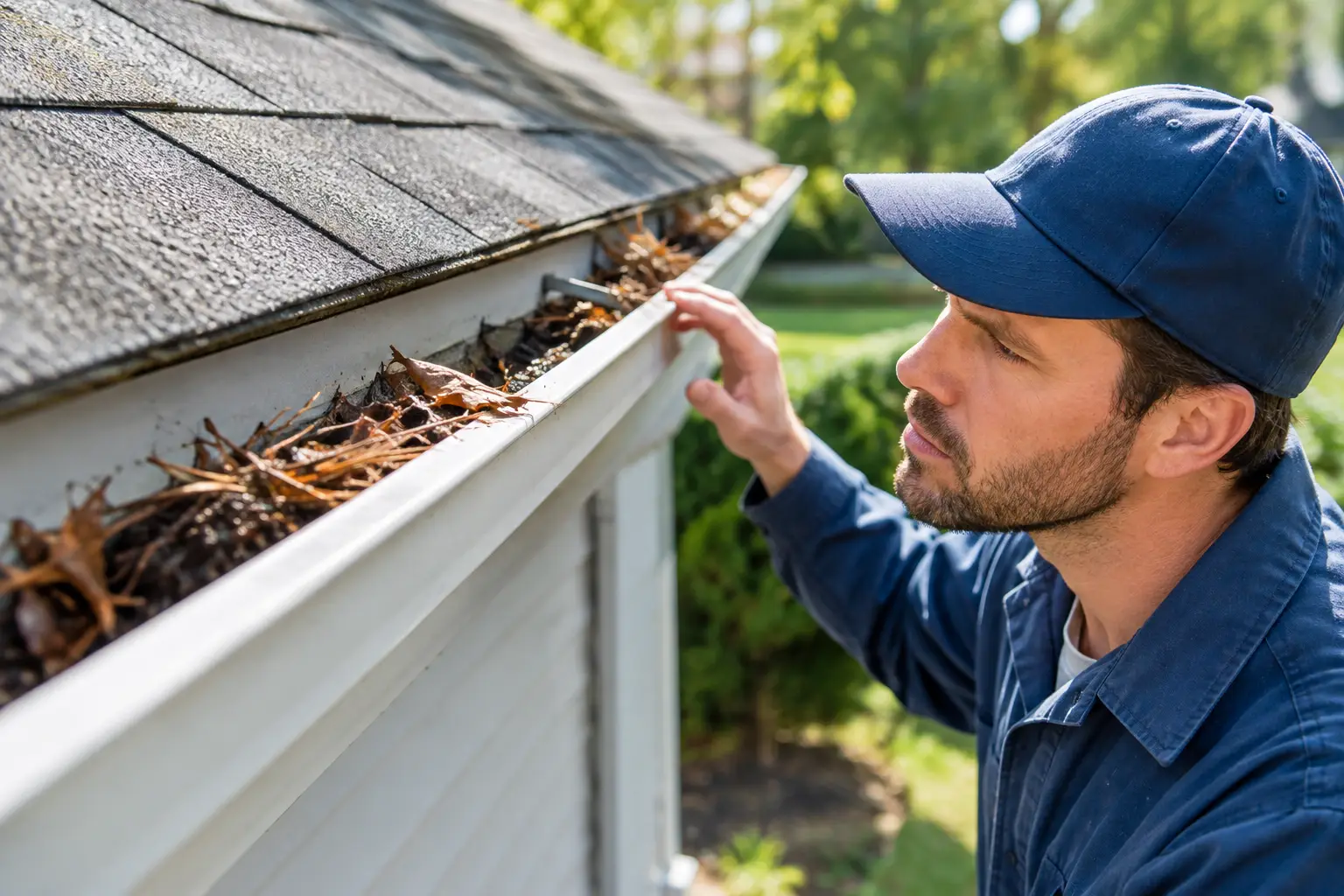
You cannot control the weather, but routine exterior maintenance can reduce the chance that a minor weakness becomes storm damage. Keep gutters clear so water does not overflow onto siding and trim. Trim branches that hang over the roof or rub against exterior walls. Check that downspouts direct water away from the foundation.
Walk around the property a few times each year, especially after winter and severe weather. Watch for open seams, loose caulk around penetrations, damaged trim, peeling finishes, and panels that have started to lift. Addressing those conditions early is usually simpler than repairing a water-damaged wall later.
For older homes, it may also be worth scheduling a professional exterior assessment before storm season. This is particularly helpful if you have noticed drafty rooms, recurring moisture near windows, aging gutters, or siding that has been repaired more than once.
A storm can expose weak points quickly, but a careful repair gives your property a chance to come back stronger. If siding has shifted, cracked, or taken an impact, arrange an inspection before the next round of rain turns an exterior problem into one behind the walls.