A hairline crack can look harmless on a dry Tuesday and become a wet basement floor after the next hard New Jersey rain. Waterproofing basement wall cracks is not simply about filling a visible line with caulk. The right repair has to address the crack itself, the water pressure around the foundation, and the path moisture is taking into your home.
For homeowners, landlords, and commercial property owners, acting early can prevent damaged drywall, mold growth, ruined stored belongings, and more expensive foundation repairs. The key is knowing what kind of crack you have and choosing a repair that fits the actual cause.
What Basement Wall Cracks Are Telling You
Concrete and masonry foundations can crack for several reasons. Concrete naturally shrinks as it cures, seasonal soil movement puts pressure on foundation walls, and water can collect against the exterior when gutters or grading are not doing their job. Older homes may also show cracks related to years of settlement.
Not every crack means the foundation is failing. Thin vertical cracks are common and are often repairable when caught early. A diagonal crack may also result from normal settlement, although it deserves a closer inspection. Horizontal cracks, stair-step cracks in block or brick walls, bowing walls, and cracks that widen over time are more serious warning signs. They can point to pressure from saturated soil or a structural issue that should be evaluated before waterproofing work begins.
Pay attention to what happens during and after rainfall. If a crack stays dry year-round, it may be cosmetic. If it darkens, drips, leaves white mineral deposits, or creates a musty smell, water is actively moving through the wall. That is when a simple patch is unlikely to provide lasting protection.
Waterproofing Basement Wall Cracks Starts With Diagnosis
A dependable repair begins with an inspection, not a one-size-fits-all product. The contractor should look at the crack pattern, wall material, basement conditions, drainage, gutters, downspouts, grade around the home, and any signs of movement. A crack that leaks because a downspout dumps water beside the foundation needs a different plan than one caused by exterior hydrostatic pressure.
Hydrostatic pressure occurs when water builds up in the soil around the foundation. The wetter and heavier the soil becomes, the more force it places on basement walls. Water will find the smallest opening, including a narrow crack, pipe penetration, cold joint, or deteriorated masonry joint.
This is why an interior crack repair can be effective in some situations but insufficient in others. Interior work often stops water at the crack line. Exterior waterproofing addresses water before it reaches the foundation wall. The better choice depends on the condition of the wall, access around the building, drainage problems, and the severity of the leak.
When an Interior Crack Repair May Be Enough
For a stable, non-structural vertical crack with limited water intrusion, a professional epoxy or polyurethane injection can create an effective seal. Epoxy is often selected when bonding and restoring the integrity of a crack are the priority. Flexible polyurethane is commonly used for active leaks because it can expand into the crack and move slightly with minor seasonal changes.
Surface-applied hydraulic cement or waterproof coating may help with very small, dry defects, but it should not be treated as a cure for recurring water pressure. A surface patch can break loose when water continues to push from the outside. It is a trade-off: it may cost less upfront, but it can leave the underlying drainage problem untouched.
When Exterior Waterproofing Is the Better Investment
If multiple cracks leak, the basement wall shows widespread moisture, or water pools near the foundation, exterior work is often the more complete solution. This may involve excavating along the affected wall, cleaning and repairing the foundation surface, applying a waterproof membrane, protecting it with drainage materials, and improving the system that carries water away from the home.
Exterior waterproofing is more involved because access, landscaping, sidewalks, decks, and utility lines can affect the scope. Still, it protects the wall from the outside and can be the right long-term approach for persistent intrusion. A clear estimate should explain what will be excavated, how the area will be protected, how drainage will be handled, and how the property will be restored after work is complete.
Fix the Water Source, Not Just the Crack
The most successful basement waterproofing projects pair crack repair with water management. Even a well-sealed wall performs better when roof runoff and surface water are directed away from it.
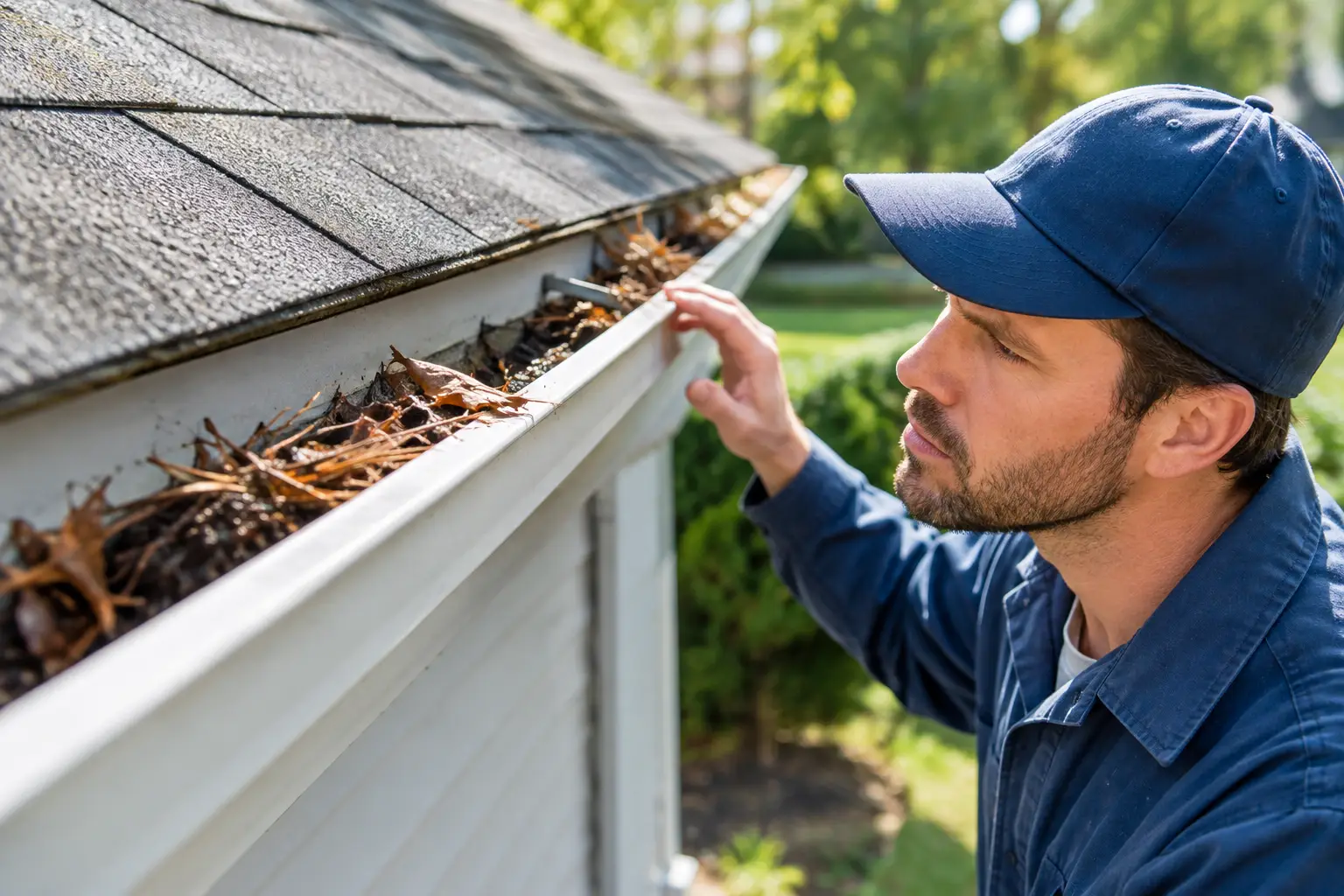
Start with the basics. Gutters should be clean, securely attached, and sized to handle roof runoff. Downspouts should discharge well away from the foundation, not beside the basement wall. The ground around the building should slope away from the structure so rainwater does not settle against it. Low areas, damaged leaders, clogged drains, and short downspout extensions can all send water exactly where you do not want it.
For some properties, a French drain, footing drain repair, sump pump, or interior drainage system may be necessary. These systems are not automatically required for every leak. They make sense when groundwater is consistently high, water enters in several locations, or the exterior cannot be excavated easily. A qualified contractor can explain the options without pushing unnecessary work.
Signs You Should Schedule a Professional Inspection
Do not wait for a finished basement to flood before getting an opinion. An inspection is a practical next step if you see recurring moisture after storms, peeling paint or wall coatings, white powdery deposits, a persistent basement odor, rusting appliances, soft drywall, or wet carpet near an exterior wall.
You should also call a professional promptly if the crack is wider than a hairline, appears to be growing, runs horizontally, follows a stair-step pattern in masonry, or is accompanied by a bulging or leaning wall. Waterproofing can protect against moisture, but structural movement needs to be understood first. Protecting your property means solving the right problem in the right order.
A professional assessment is especially valuable before finishing a basement or buying an older property. New flooring and drywall can hide evidence of moisture for a while, but they cannot stop it. Correcting drainage and foundation leaks before renovation helps protect the money you invest in the space.
What to Expect From a Quality Repair
A quality waterproofing contractor should explain the findings in plain language and provide a written scope of work. You should know whether the repair is interior, exterior, or both; what materials will be used; whether drainage improvements are included; and how long the work is expected to take.
The jobsite also matters. Excavation and foundation work require safety planning, care around utilities, and protection for nearby landscaping and hardscaping. Licensed and insured professionals should handle permits when required and keep communication clear if site conditions change once work begins.
At American Supreme Construction, the goal is to give property owners a practical recommendation based on the building, not a generic sales pitch. With experienced craftsmanship, premium materials, and a clear estimate, a properly planned repair can help keep your basement dry through the changing weather common across New Jersey and the Tri-State area.
A basement crack is easier and less costly to address before it becomes a larger water problem. If you have noticed dampness, staining, or a crack that changes after rain, arrange an inspection and get clear answers before the next storm tests your foundation.