
A small crack in a brick wall can be easy to ignore until rain finds its way behind the masonry, mortar begins to loosen, and the problem reaches the interior of the property. Experienced brick masonry repair contractors do more than improve curb appeal. They identify the source of deterioration, stabilize damaged areas, and restore the protective exterior barrier your home or commercial building depends on.
For property owners across New Jersey and the Tri-State area, masonry repair is often a decision about protecting a major investment. A properly repaired chimney, retaining wall, front step, brick facade, or foundation wall can prevent escalating water damage and preserve the strength and appearance of the structure for years to come.
When Brick Damage Needs Professional Attention
Brick is durable, but it is not maintenance-free. Years of freeze-thaw cycles, driving rain, settling, salt exposure, and ordinary aging can wear down even well-built masonry. The mortar joints are usually the first part of the wall to fail because they are designed to be softer and more sacrificial than the brick itself.
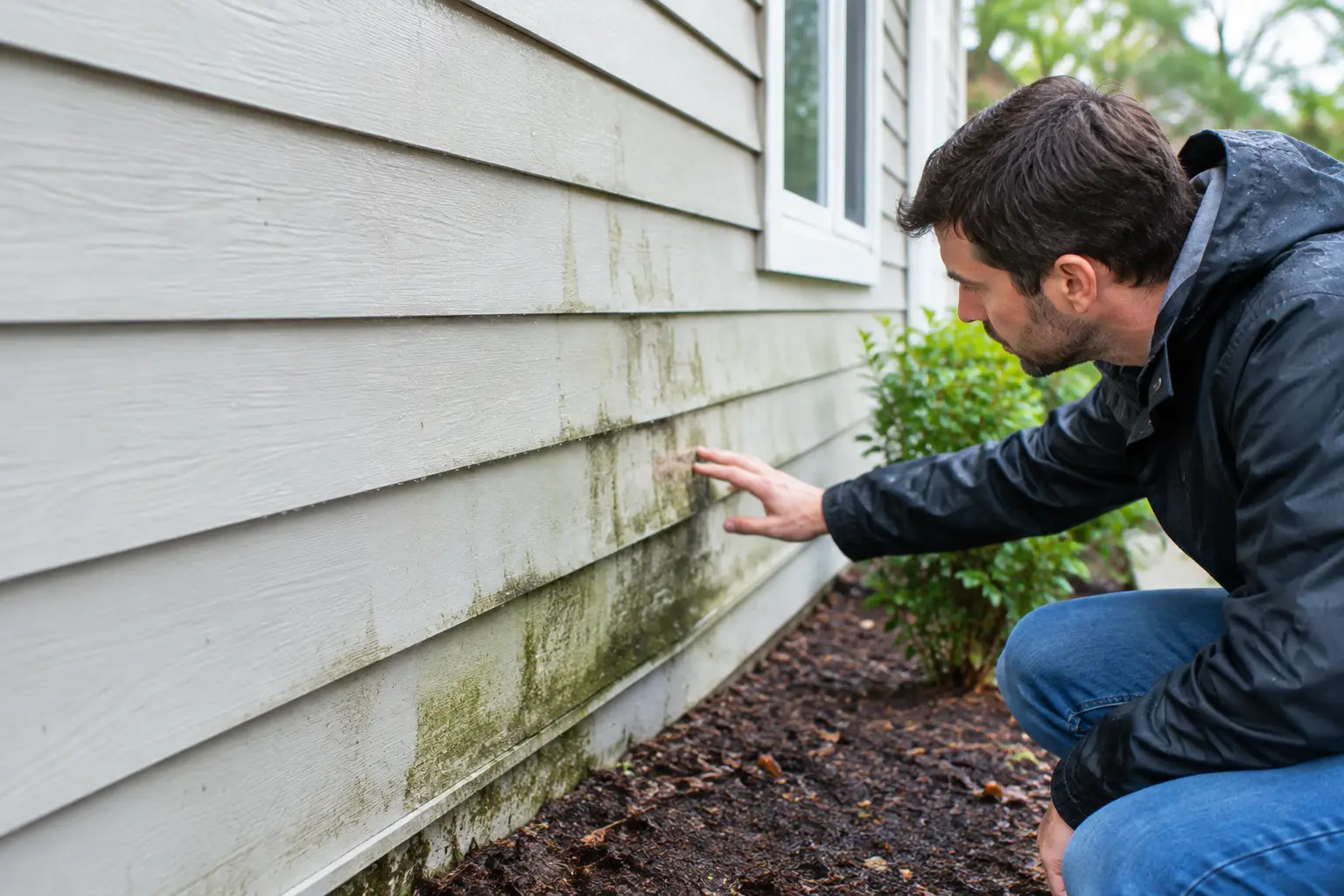
Crumbling mortar, gaps between bricks, loose bricks, stair-step cracks, white powdery staining, and water marks on nearby interior walls all deserve attention. A leaning chimney, bulging brick section, or separated retaining wall calls for prompt professional evaluation. These conditions may indicate movement or moisture behind the visible surface, not just a cosmetic flaw.
It depends on the location and pattern of the damage. A few shallow, isolated mortar cracks may only require localized repointing. Widespread joint failure, recurring leaks, significant movement, or bricks that are spalling and breaking apart may require a larger repair or partial rebuild. The right answer comes from inspecting the entire affected assembly, rather than applying caulk or patch material to the most obvious crack.
What Brick Masonry Repair Contractors Should Evaluate
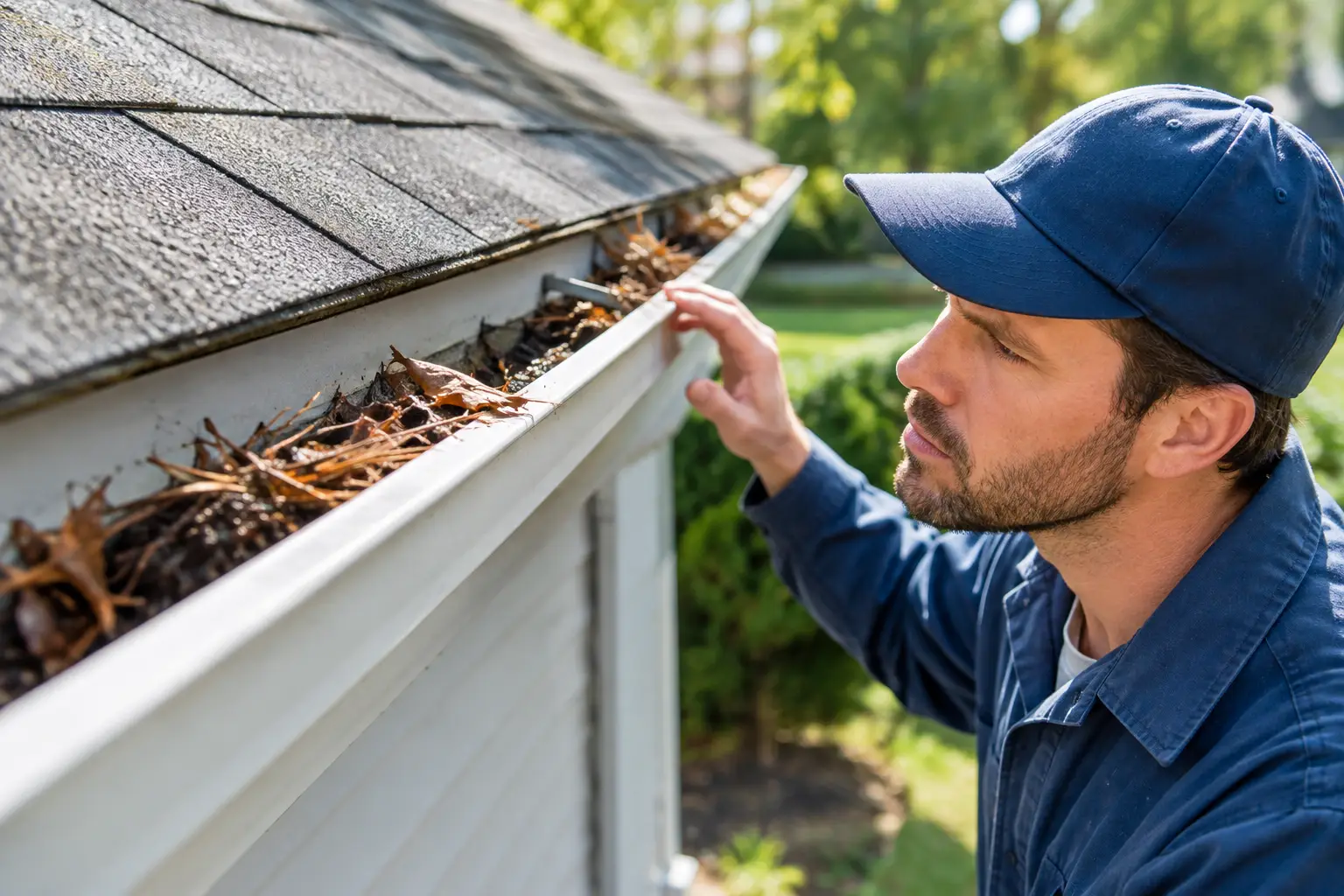
A dependable contractor begins with the cause of the problem. Water is often involved, but the entry point is not always in the brick itself. Damaged chimney flashing, overflowing gutters, missing caps, poor grading, failed sealant around windows, or roof leaks can direct water into masonry and cause repeated deterioration.
The inspection should also consider mortar condition, brick integrity, wall alignment, drainage, and signs of past repairs. If a chimney is involved, the contractor should assess the crown, flue area, flashing, cap, and upper courses of brickwork. For exterior steps and retaining walls, the condition of the footing and the soil or drainage behind the wall matters just as much as the face of the brick.
This approach protects owners from paying for a repair that looks good for one season but fails because the original moisture problem was never addressed. Clear communication matters here. You should understand what is damaged, why it happened, what work is recommended, and whether any related roof, gutter, waterproofing, or structural issue needs to be corrected at the same time.
Common Masonry Repairs and What They Accomplish
Tuckpointing and Repointing
Repointing removes failing mortar from the joints and installs new mortar that is matched as closely as practical to the existing masonry in color, texture, and performance. Tuckpointing is often used to create a more refined joint appearance, especially on visible brick facades.
The key is not simply filling gaps. Damaged mortar must be removed to the appropriate depth, the joints must be cleaned, and the replacement mortar must be suitable for the brick. Mortar that is too hard can trap moisture and contribute to brick damage, particularly in older buildings. Skilled workmanship helps the repaired area blend in while allowing the masonry to perform as intended.
Brick Replacement and Partial Rebuilding
A cracked or spalled brick cannot always be saved. Contractors can carefully remove failed units, prepare the opening, and install replacement brick with compatible mortar. When a section has shifted, bowed, or lost its bond, rebuilding that portion may be safer and more durable than repeatedly patching individual spots.
Matching brick can be challenging on older homes. A contractor may source a close match, use salvaged materials when appropriate, or place less exact replacements in a less visible area. An honest estimate should address this possibility upfront rather than promising an invisible match where one may not be realistic.
Chimney Repair and Rebuilding
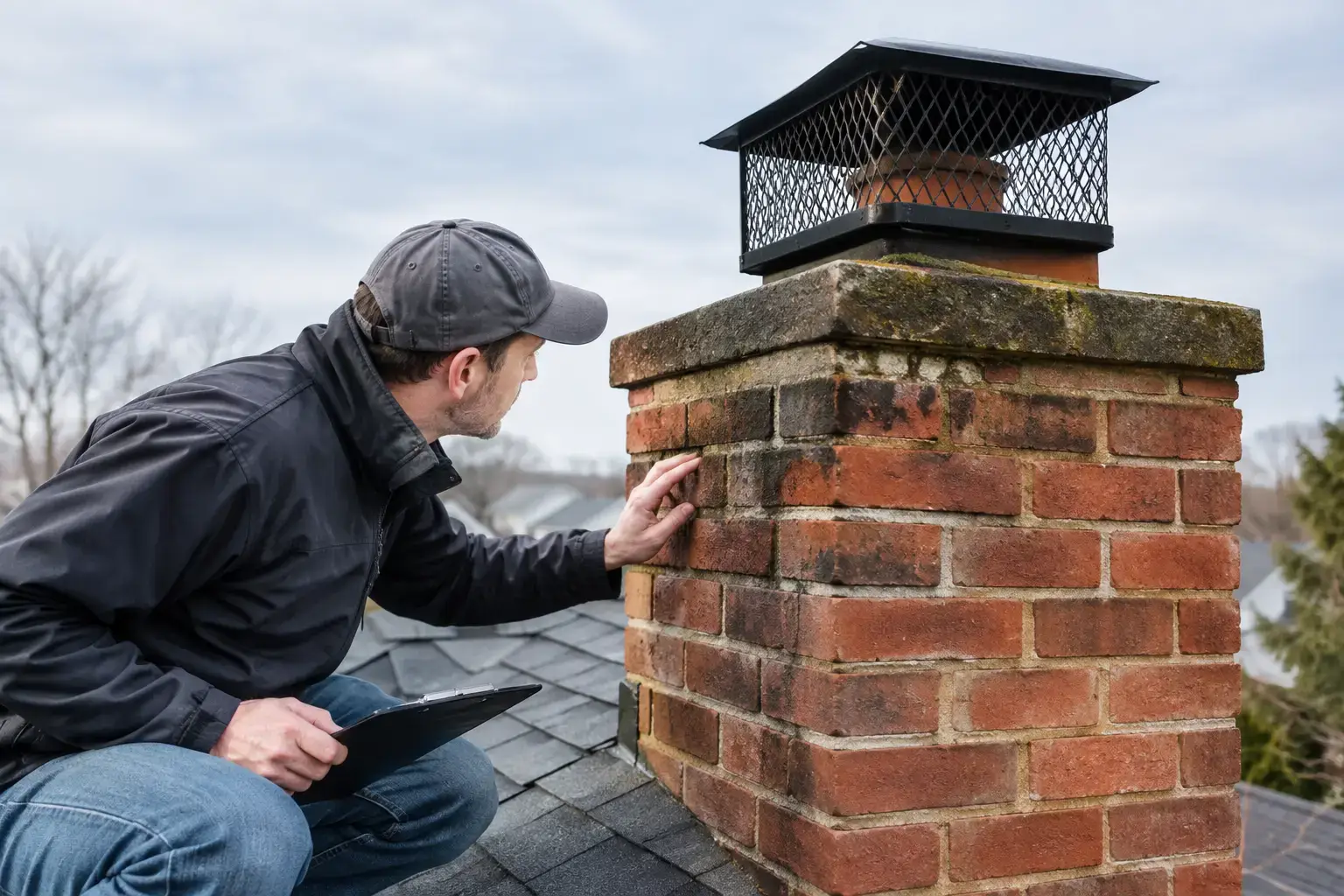
Chimneys take constant weather exposure above the roofline, making them one of the most common masonry repair needs. Loose bricks, deteriorated mortar, failed crowns, and flashing problems can allow water into the chimney structure and the home below.
Depending on the condition, the work may involve repointing, replacing upper chimney courses, rebuilding from the roofline up, installing or repairing a crown, and correcting flashing. Because chimney work affects both exterior protection and roof performance, it should be planned carefully with proper safety measures and weatherproofing details.
Steps, Walls, and Foundation Masonry
Brick steps and retaining walls must safely handle movement, moisture, and daily use. A loose front step is more than an appearance issue – it can become a trip hazard. Retaining walls that lean or crack may be affected by poor drainage or pressure from saturated soil.
Foundation masonry repairs also require careful judgment. Surface repointing may help where mortar joints have weathered, but active water intrusion, broad cracking, or structural movement can require a more comprehensive waterproofing or stabilization plan. The repair should fit the cause, not just the visible symptom.
Choosing a Contractor Who Protects Your Property
Not every contractor approaches masonry with the same level of care. Ask whether the company is licensed and insured, how it identifies the source of damage, what materials it plans to use, and how the work area will be protected and cleaned. For major repairs, ask about permits and whether the contractor will assist with the process when required.
A written estimate should describe the work in plain language. It should distinguish between repair, replacement, and rebuilding, and explain any conditions that could change the scope after damaged masonry is opened up. Transparent expectations are especially valuable on older properties, where hidden deterioration can be discovered once loose brick or failed mortar is removed.
Avoid choosing solely on the lowest price. An unusually low estimate can leave out critical preparation, flashing repairs, proper mortar work, cleanup, or warranty coverage. The better value is a repair that addresses the full issue, uses quality materials, and is completed by trained professionals who stand behind the workmanship.
American Supreme Construction brings more than 24 years of hands-on exterior construction experience to masonry, chimney, roofing, gutter, and waterproofing work. That broader perspective is useful when brick deterioration is connected to water management or another exterior system, because one accountable team can help coordinate the right solution.
Why Timing Matters With Masonry Repairs
Masonry damage rarely becomes less expensive by waiting. Open joints allow more moisture into the wall. In winter, trapped water can freeze, expand, and widen cracks. Over time, bricks may loosen, interior finishes can be affected, and a smaller repair may turn into a rebuild.
That does not mean every crack is an emergency. It means an inspection is the practical next step when you notice signs of wear. Prompt assessment gives you the opportunity to schedule repairs before severe weather, protect occupants from loose masonry, and make informed decisions without the pressure of a sudden failure.
A good masonry repair should leave you with more than a cleaner-looking wall. It should give you confidence that the bricks, mortar, drainage details, and surrounding exterior components are working together to protect the property. If you see deteriorating mortar, loose brick, chimney damage, or water staining near masonry, request a clear professional assessment and a free estimate before a manageable repair becomes a larger project.
3 Responses