
A chimney can look like a small part of a home until loose bricks, crumbling mortar, or a leaning stack turn it into a water and safety concern. A reliable chimney rebuilding cost estimate gives you more than a number. It identifies how much of the chimney has failed, what must be rebuilt to protect the structure, and which details will keep the problem from returning.
For New Jersey and Tri-State property owners, chimney work often becomes urgent after a hard winter, windstorm, roof leak, or years of freeze-thaw damage. The right approach is not to cover deteriorated masonry with a cosmetic patch. It is to inspect the chimney from the crown to the area below the roofline, explain the findings clearly, and provide a scope of work that matches the actual condition.
What Does Chimney Rebuilding Usually Cost?
Chimney rebuilding costs can range widely because no two chimneys fail in exactly the same way. A limited rebuild above the roofline may cost a few thousand dollars, while a full structural rebuild from the roof deck or foundation can reach well into five figures. A practical starting range for many residential projects is about $3,000 to $15,000, with more extensive masonry, difficult access, liner replacement, and structural repairs increasing the total.
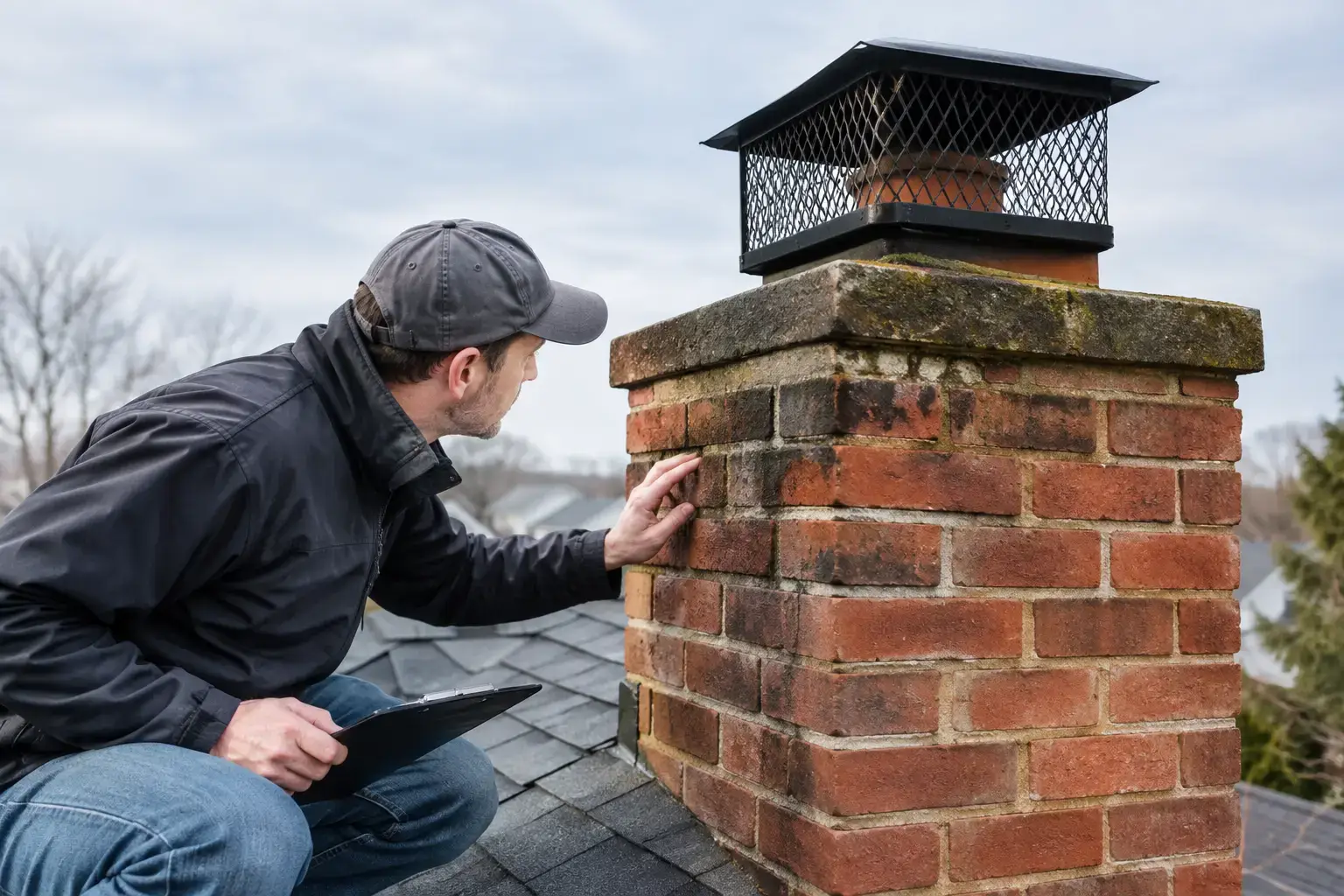
A partial rebuild is often appropriate when the damage is limited to the upper courses of brick, the crown, or the section exposed above the roof. A full rebuild may be needed when the chimney is leaning, brick deterioration extends below the roofline, mortar joints have failed throughout the stack, or the flue and structure are no longer secure.
Price alone should not decide the scope. Rebuilding more than necessary wastes money, but rebuilding too little can leave hidden damage in place and lead to another repair bill after the next severe season.
What Goes Into a Chimney Rebuilding Cost Estimate?
A clear estimate should separate the work into understandable parts. It should tell you what is being removed, what materials are being installed, how the chimney will be finished, and whether related roof or flashing repairs are included. If the estimate only says “chimney repair” with one large number, ask for more detail before approving the work.
Height, access, and roof conditions
A one-story ranch home with a chimney near the roof edge is generally easier to service than a tall chimney on a steep, multi-story roof. Safe access may require scaffolding, roof protection, debris containment, and additional labor. These are not unnecessary extras. They protect workers, landscaping, siding, roofing, and the rest of your property while masonry is removed and rebuilt.
The roof area around the chimney also matters. If shingles, sheathing, or flashing have been damaged by leaks, the contractor may need to address those components as part of the project. A chimney that is rebuilt with poor flashing can still leak, even if the new brickwork looks excellent.
How much masonry must be replaced
Spot rebuilding a small area has a very different cost from dismantling and rebuilding an entire stack. Contractors assess the condition of individual bricks, mortar joints, the chimney crown, and the internal structure. Spalling brick – brick that flakes, cracks, or loses its face – is common in areas exposed to repeated moisture and freezing temperatures.
When damaged masonry is limited, selective replacement can be effective. When deterioration is widespread, trying to save weak brick often creates an uneven, short-lived result. A full rebuild may cost more up front but can be the safer value when the chimney has reached the end of its service life.
Brick selection and masonry details
Matching existing brick can affect both material costs and scheduling. Older homes may use brick sizes, colors, or textures that are no longer readily available. A close match is often possible, but it may require sourcing specialty materials or rebuilding the visible portion in a complementary style rather than attempting an imperfect patch.
The estimate should also account for quality masonry details: properly mixed mortar, sound joint work, a sloped crown, expansion considerations where needed, and a properly installed cap. Premium materials and careful installation help prevent water from entering the rebuilt chimney.
The chimney crown, cap, and flashing
The crown is the concrete or masonry top that directs water away from the chimney. A cracked or flat crown allows water into the brickwork, where it can freeze and expand. Rebuilding a chimney without correcting a failed crown can shorten the life of the new work.
A chimney cap helps keep out rain, snow, leaves, birds, and small animals. Flashing is the waterproof transition where the chimney meets the roof. These components are often smaller line items compared with a rebuild, but they have an outsized effect on long-term performance. A complete estimate should make clear whether they are included.
Flue liners and firebox-related work
If the chimney serves a fireplace, furnace, boiler, water heater, or wood-burning appliance, the flue condition should be evaluated. A damaged, undersized, or deteriorated liner can create a separate safety issue. Relining or liner repairs can add substantially to the project cost, especially in taller chimneys or where the flue configuration is complex.
Not every exterior masonry rebuild requires liner work. Still, a professional inspection should identify whether the chimney structure and the venting system are both in acceptable condition. This is particularly important for older homes and properties with fuel-burning appliances.
Partial Rebuild vs. Full Rebuild
The decision usually comes down to where the damage stops. A partial rebuild may be appropriate when the chimney is solid below a certain point and deterioration is isolated above the roofline. The contractor removes unstable masonry down to sound material, rebuilds with compatible brick and mortar, then installs or repairs the crown, cap, and flashing as needed.
A full rebuild is more likely when the stack is visibly out of plumb, there are long vertical cracks, bricks are failing on multiple sides, or water damage has reached the lower chimney structure. In some cases, demolition and reconstruction are safer and more predictable than trying to stabilize a severely compromised stack.
For landlords and commercial property owners, there is another consideration: repeat maintenance. A lower-cost patch that requires frequent follow-up work can be more disruptive and more expensive over time than a properly planned rebuild.
Permits, Insurance, and Site Protection Matter
Depending on the municipality and the scope of work, chimney rebuilding may require permits and inspections. Permit requirements can affect timing and cost, especially when structural changes, significant masonry replacement, or venting modifications are involved. A qualified contractor should explain the local requirements and help organize the process rather than leaving the property owner to sort it out alone.
Insurance and safety practices matter just as much. Chimney demolition creates falling-debris risks, and work performed on a roof requires trained crews, proper equipment, and careful site control. Choosing a licensed and insured contractor protects the owner from avoidable risk and helps ensure the work follows applicable building standards.
How to Compare Chimney Estimates Fairly
The lowest proposal is not always the lowest real cost. Compare each estimate against the actual scope of work. One contractor may include demolition, new flashing, crown replacement, debris disposal, and cleanup, while another may price only the visible brick replacement.
Before making a decision, make sure you understand whether the proposal includes the following:
- The exact starting and ending point of the rebuild
- Brick, mortar, crown, cap, and flashing materials
- Roof and landscaping protection during construction
- Permit assistance, debris removal, and final cleanup
- Workmanship coverage and material warranties
Ask what happens if the crew finds concealed damage after demolition. No contractor can see every condition behind failing masonry before work begins, but a professional should explain how change conditions are documented, priced, and approved. Clear communication prevents unwelcome surprises.
Plan for a Rebuild That Solves the Problem
A chimney rebuild should improve more than curb appeal. It should restore stability, keep water out of the roof system, protect the home from ongoing masonry damage, and support safe venting where applicable. That requires careful inspection, durable materials, and workmanship that does not cut corners at the crown or flashing.
American Supreme Construction approaches chimney work with the same accountability homeowners expect from a full-service exterior contractor: a clear assessment, a transparent estimate, safe jobsite practices, and a finished result built for the weather ahead. If your chimney is shedding brick, showing cracks, leaning, or allowing water indoors, getting an informed estimate now can protect the rest of your property before a manageable repair becomes a larger structural project.
One Response