A small roof issue can become a business disruption faster than most property owners expect. Water that enters around a drain, flashing detail, or rooftop penetration may travel far from the visible stain before it reaches a ceiling, electrical system, inventory area, or tenant space. A consistent commercial roof maintenance checklist helps you identify warning signs early, protect your building, and make repair decisions before a manageable concern becomes an expensive emergency.
For commercial buildings throughout New Jersey and the Tri-State area, seasonal weather adds pressure. Heavy rain, snow loads, freeze-thaw cycles, high winds, and summer heat all affect roofing materials differently. The right maintenance schedule depends on your roof system, the age of the building, foot traffic, and nearby trees, but every property benefits from a documented inspection plan.
Why Routine Commercial Roof Care Protects Your Investment
Commercial roofs are built to perform under demanding conditions, but they are not maintenance-free. Ponding water can wear down seams and membranes. Clogged drains can force water toward vulnerable edges. Loose flashing can create an opening during the next wind-driven rainstorm. Even minor damage from an HVAC technician’s foot traffic can compromise a roof’s protective surface.
Regular maintenance gives owners time to plan rather than react. You can address a damaged sealant joint or isolated membrane tear before water reaches insulation or the roof deck. That often means a more focused repair, less interruption for tenants, and a clearer understanding of your roofing budget.
It also creates useful records. Inspection reports, repair invoices, photos, and maintenance logs can support warranty requirements, help a manager track recurring trouble spots, and provide valuable documentation when evaluating a future roof replacement.
Commercial Roof Maintenance Checklist: What to Inspect
A qualified roofing professional should perform a full inspection at least twice a year, typically in the spring and fall, plus after significant storms. Building staff can also perform safe visual checks from the ground or accessible areas between professional visits. Do not send untrained personnel onto the roof. Fall risks, fragile areas, hidden damage, and electrical equipment make roof access a job for trained, properly equipped professionals.
Check drains, scuppers, gutters, and downspouts
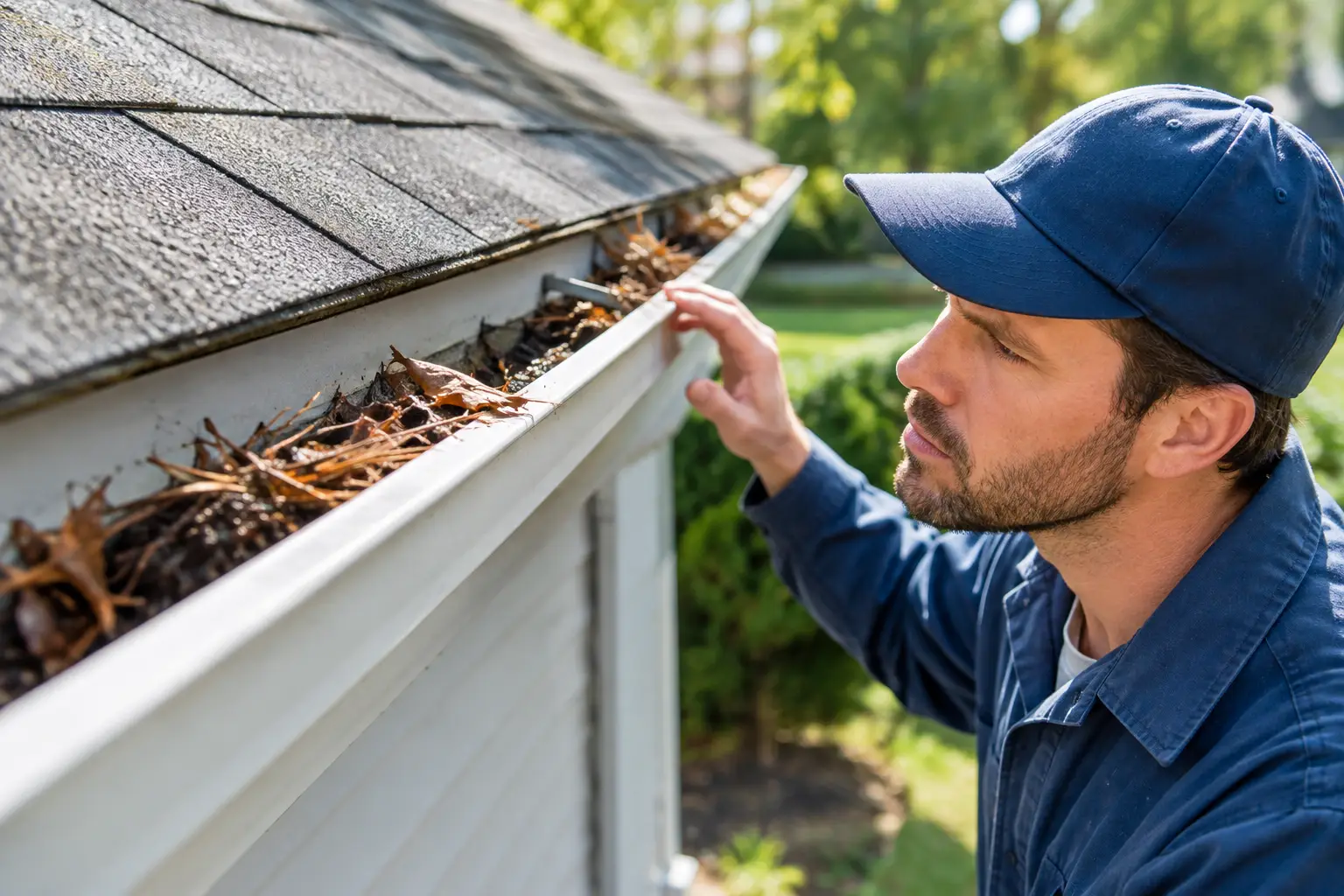
Water needs a clear path off the roof. Inspect roof drains and scuppers for leaves, branches, trash, nesting materials, and sediment. Check gutters and downspouts for clogs, loose sections, standing water, and discharge points that direct water too close to the foundation.
Ponding water that remains more than 48 hours after rainfall deserves attention. A shallow puddle may not always mean the roof has failed, but persistent water can accelerate material deterioration and add unnecessary weight. The cause could be blocked drainage, a settled roof area, or a design issue that requires a more detailed evaluation.
Examine the roof surface for damage
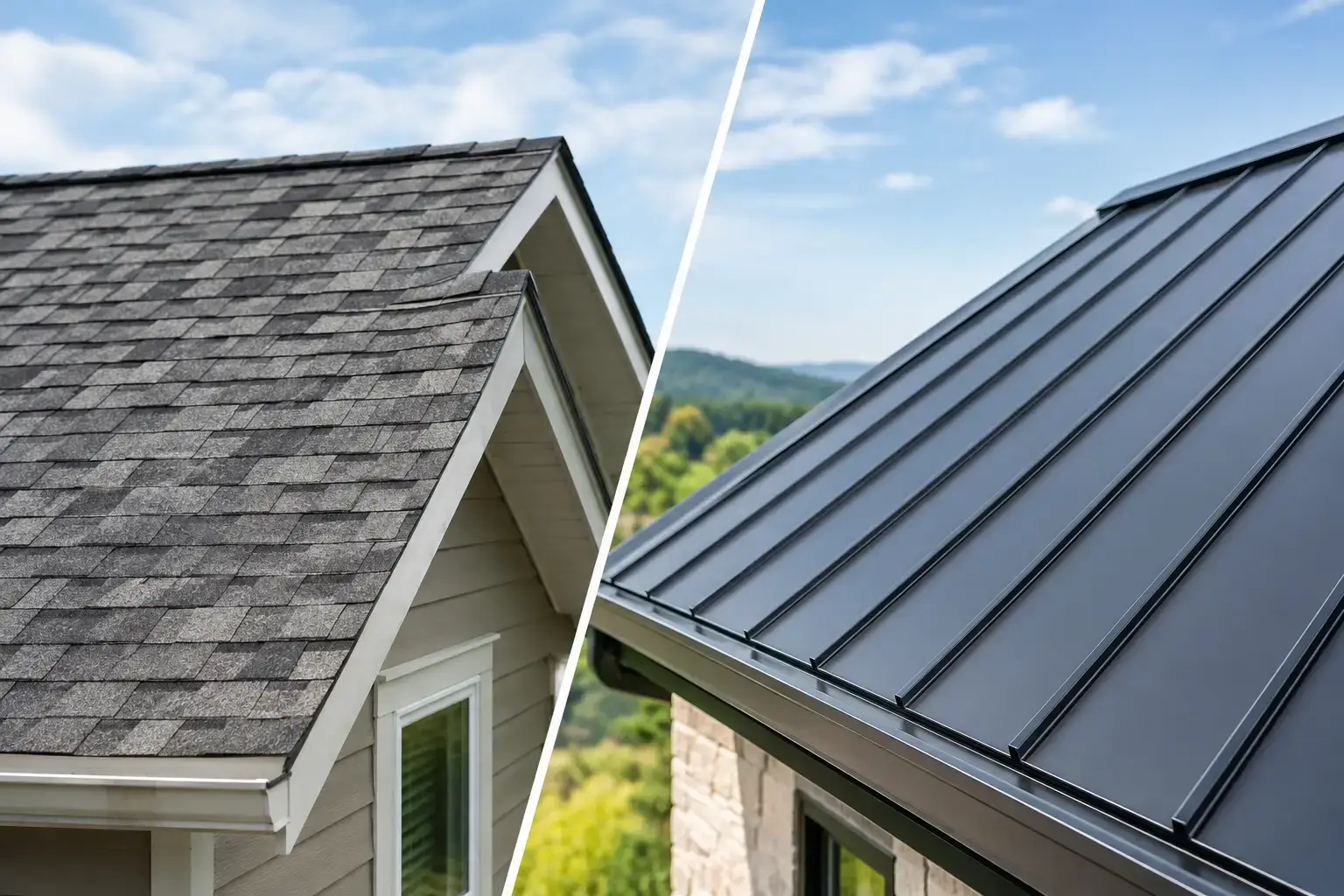
The inspection method changes with the roofing material. On low-slope systems, look for open seams, punctures, cracks, blisters, wrinkles, exposed reinforcement, deteriorated coatings, or areas where the membrane has pulled away from an edge. On metal roofs, look for loose fasteners, failed sealant, corrosion, damaged panels, and separation at laps.
Pay attention to changes rather than relying only on obvious holes. A small split at a seam or a worn section around equipment may be the first sign of a larger issue. Photographing these areas during each inspection makes it easier to compare conditions over time.
Inspect flashing and roof penetrations
Flashing is one of the most important parts of any commercial roof. It seals transitions where the roof meets walls, parapets, skylights, chimneys, vent pipes, HVAC curbs, and other penetrations. These areas expand, contract, and experience movement, making them common leak locations.
Look for lifted edges, cracked sealant, loose metal, deteriorated counterflashing, and gaps around pipes or equipment curbs. Repairs around penetrations should match the roof system and be completed correctly. Adding incompatible patch materials may provide a short-term cover while creating a harder repair later.
Review rooftop equipment and access paths
HVAC units, exhaust fans, solar equipment, satellite systems, and other rooftop components can affect the roof around them. Check for condensate lines draining directly onto the roof, vibration damage, unsecured panels, and service activity that has disturbed flashing or membrane seams.
Walk pads should be in place where technicians regularly travel. Without a protected path, repeated foot traffic can wear down a roof surface and create punctures. If your building uses multiple vendors, make roof protection part of every service provider’s site requirements.
Inspect parapets, coping, and perimeter edges
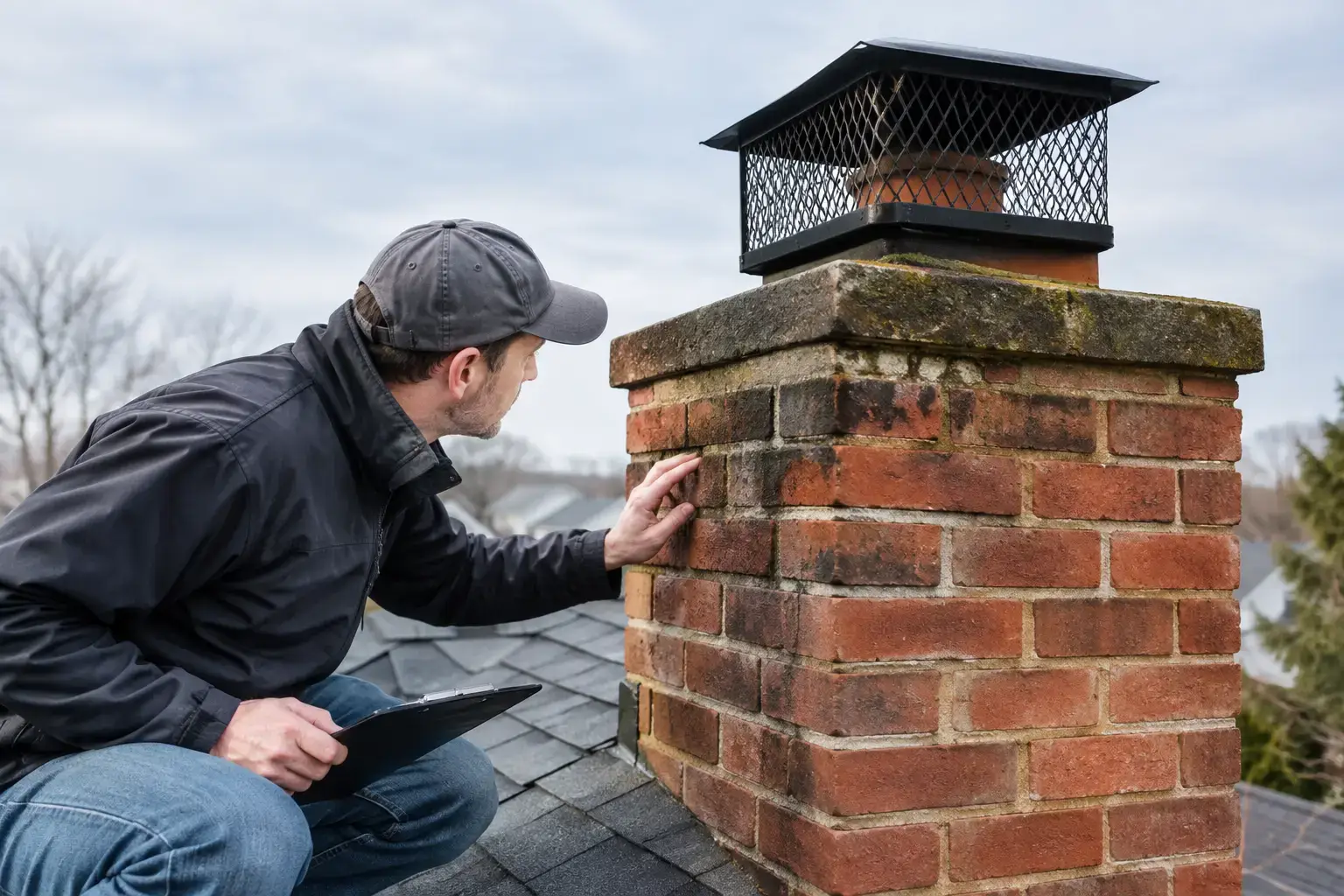
Wind damage often begins at the perimeter. Check coping caps, edge metal, fascia, and parapet walls for loose sections, cracks, missing fasteners, failed joints, or signs of water entering behind the exterior finish. Masonry parapets may also need attention if mortar joints are deteriorating or bricks are spalling.
A roof is only as dependable as its details. Water that enters at a wall cap or edge can move into the building envelope and appear indoors far from the actual opening.
Look inside the building, too
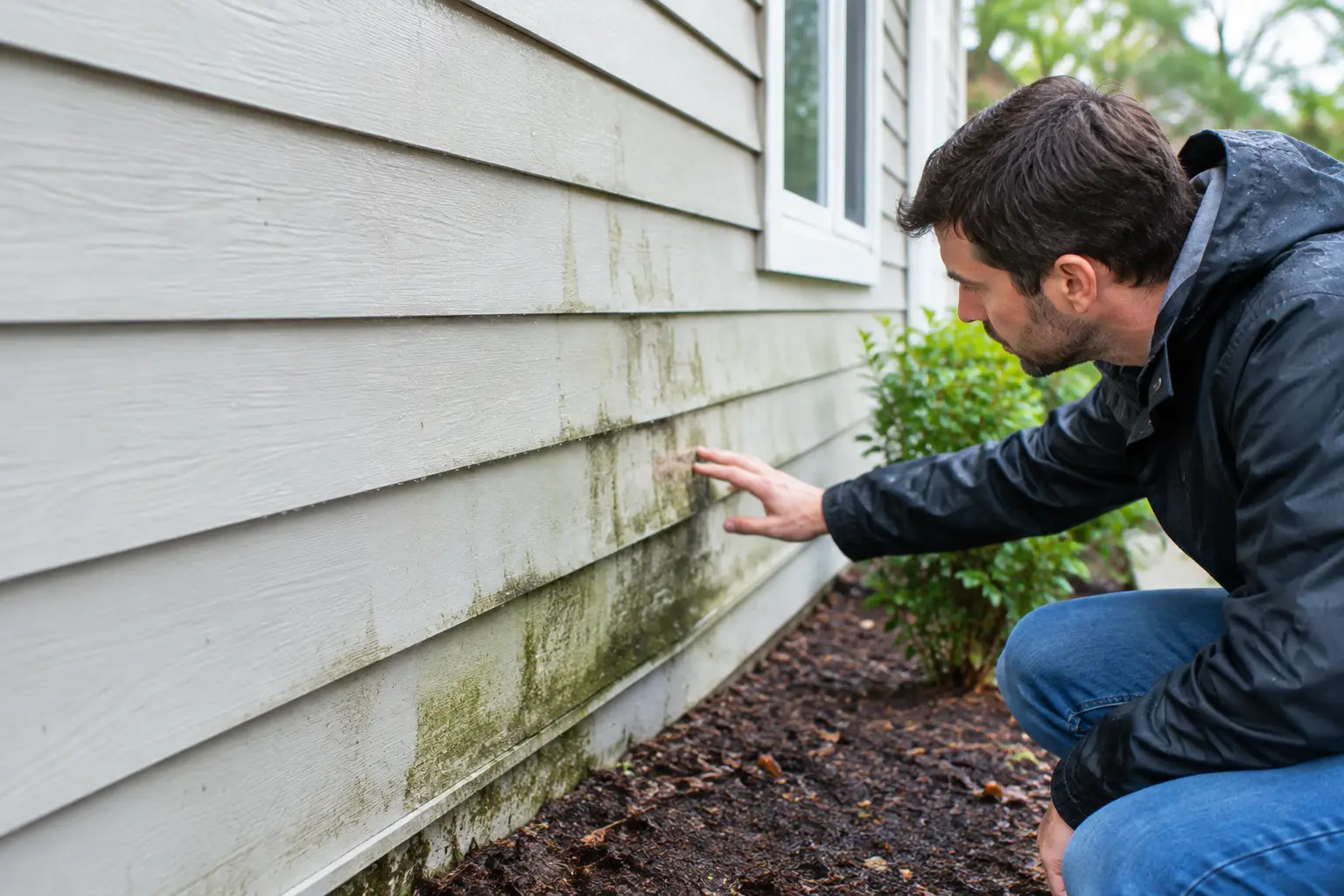
Roof inspections should include the interior. Ask maintenance staff and tenants about stains, odors, dripping, peeling paint, damp insulation, or areas that feel unusually humid. Check ceilings near drains, exterior walls, mechanical rooms, skylights, and previous repair locations.
Interior evidence does not always identify the source of a leak. Water can travel along framing, ductwork, or insulation before becoming visible. A professional assessment helps trace the entry point instead of repeatedly patching the place where water finally appears.
Set a Schedule That Matches Your Property
For many properties, a spring and fall inspection is the right starting point. Spring inspections identify damage after snow, ice, and freeze-thaw conditions. Fall inspections prepare drainage systems and roof details for winter weather. Properties with mature trees, frequent rooftop service, older roofing systems, or a history of leaks may need more frequent checks.
Schedule an additional inspection after high winds, hail, prolonged heavy rain, or a major snow event. Storm damage is not always dramatic. Wind can loosen edge metal or flashing without leaving a visible opening from the ground. Hail may bruise or fracture roofing materials in ways that become more apparent over time.
Keep a simple maintenance log with the inspection date, weather conditions, roof areas reviewed, photos, observed concerns, completed repairs, and recommended follow-up. This does not need to be complicated. What matters is having a reliable record that turns maintenance into an organized process.
Know When a Repair Is Enough and When It Is Not
Not every roof concern calls for replacement. A localized puncture, separated seam, clogged drain, or failed flashing detail can often be repaired effectively when the surrounding roof system is in good condition. Prompt, professional repairs can preserve usable roof life and help prevent interior damage.
Replacement becomes a more realistic conversation when leaks are recurring in different areas, repairs are becoming frequent, insulation is saturated, the membrane is broadly deteriorated, or the roof is nearing the end of its expected service life. A qualified contractor should explain what was found, show you the affected areas, and provide options rather than pushing a one-size-fits-all answer.
Cost matters, but the lowest repair price is not always the best value. The right solution should account for the roof material, drainage, building use, future equipment plans, warranty needs, and whether a short-term repair will truly protect the property.
Protect the Roof Between Professional Inspections
Building owners and managers can reduce preventable damage by keeping access controlled, asking vendors not to penetrate the roof without approval, and reporting interior water concerns immediately. Never allow temporary fixes such as loose tarps, excessive caulk, or makeshift patches to become permanent solutions. They can trap water, mask deterioration, and complicate future repairs.
When a concern appears, clear communication matters. A contractor should explain the condition in plain language, provide transparent recommendations, and complete the work with appropriate safety practices. American Supreme Construction brings that accountable approach to commercial roof repairs and exterior work, with experienced crews focused on durable results and clear customer communication.
Your roof does not need to be failing to deserve attention. A scheduled inspection and timely repair can protect tenants, operations, and the long-term value of the building before the next storm puts a small weakness to the test.