
A roof can look perfectly sound from the driveway while water is slipping in at a chimney, skylight, vent pipe, or wall intersection. That is why roof flashing failure signs deserve prompt attention. Flashing is one of the most critical water-shedding details on a roof, and a small gap in the wrong place can lead to damaged insulation, stained ceilings, mold growth, rotted framing, and expensive interior repairs.
Flashing problems are common on older roofs, after severe wind or snow, and around areas where different building materials meet. The good news is that early repair is often far more manageable than waiting for a visible ceiling leak. Here is what property owners in New Jersey and the Tri-State area should watch for.
Why Roof Flashing Matters So Much
Roof flashing is typically made from aluminum, galvanized steel, copper, or another durable metal. It is installed at vulnerable transitions where shingles alone cannot reliably direct water away. Common locations include chimneys, dormers, skylights, roof valleys, vent stacks, sidewalls, and changes in roof slope.
Proper flashing is layered with the roofing system so water flows over it and away from the structure. When it lifts, corrodes, separates, or is installed incorrectly, rain can work behind the shingles and under the roofing materials. A leak may begin slowly, then worsen with each storm or freeze-thaw cycle.
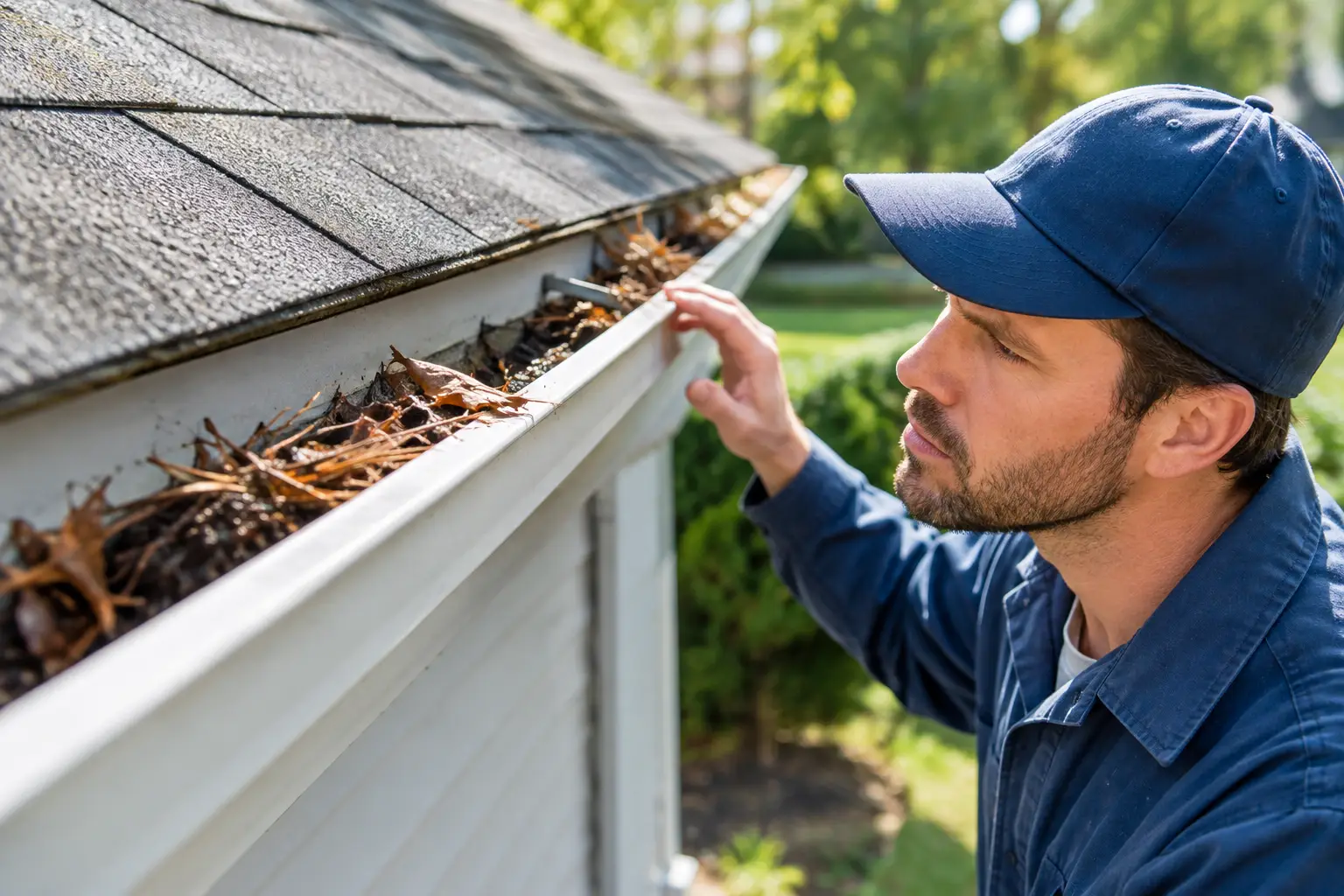
Not every roof leak is a flashing problem. Damaged shingles, worn underlayment, clogged gutters, and cracked masonry can create similar symptoms. A professional inspection helps identify the actual entry point before repairs are planned.
9 Roof Flashing Failure Signs to Watch For
1. Water stains near chimneys, skylights, or exterior walls
A brown or yellow stain on a ceiling is often the first sign homeowners notice. Pay close attention when stains appear near a chimney breast, skylight opening, bathroom vent, or wall where the roof meets a second-story section. These are common flashing locations.
The stain may grow after heavy rain, then appear to dry out. That does not mean the problem has gone away. Water may still be wetting roof decking or insulation above the ceiling.
2. Drips or damp insulation in the attic
A careful attic check after a hard rain can reveal trouble before it reaches finished living space. Look for dripping water, wet insulation, darkened roof sheathing, or a musty smell around chimneys, vents, and skylights.
Do not step on exposed attic insulation or attempt to climb onto the roof to investigate. Use a flashlight from a stable walkway, and arrange an inspection if you see moisture. Wet insulation loses effectiveness and can conceal damage beneath it.
3. Loose, lifted, or missing metal flashing
From ground level, you may be able to spot flashing that has pulled away from a chimney or sidewall. Strong winds can loosen metal edges, while temperature changes cause materials to expand and contract over time. Flashing that appears bent, raised, detached, or missing should be addressed quickly.
Even a narrow opening can allow wind-driven rain into the roof assembly. The repair may involve refastening and sealing a sound section, but badly bent or improperly installed flashing may need replacement.
4. Cracked or separated sealant around roof penetrations
Sealant is often used as a secondary layer of protection around vent boots, flashing joints, and fasteners. It does not last forever. Sun exposure, cold winters, and movement in the roof system can cause it to dry out, crack, or pull away.
Caulk alone is not a permanent substitute for correctly installed flashing. If the underlying metal detail is wrong, repeatedly adding sealant may only delay a larger repair. A contractor should inspect the entire assembly, not just cover the visible gap.
5. Rust, corrosion, or pinholes in metal sections
Galvanized flashing can eventually corrode, particularly in areas that remain damp or collect debris. Rust stains near a chimney or roof-to-wall transition are a warning that the metal may be losing its protective coating. Small pinholes can admit water long before a large opening is visible.
Corrosion can be limited to one section, or it can indicate that aging materials throughout the roof need a closer look. Copper and aluminum have different wear patterns, so the right repair depends on the flashing material and surrounding roof system.
6. Shingles curling or deteriorating beside a chimney or wall
Shingles that fail in a concentrated area near flashing deserve attention. Moisture trapped beneath the roofing materials can cause edges to curl, granules to loosen, and nails to back out. You may also see soft-looking areas or uneven shingle lines around the affected section.
This does not automatically mean the entire roof requires replacement. However, shingles and flashing work together. Replacing damaged shingles without correcting the water path underneath can allow the same leak to return.
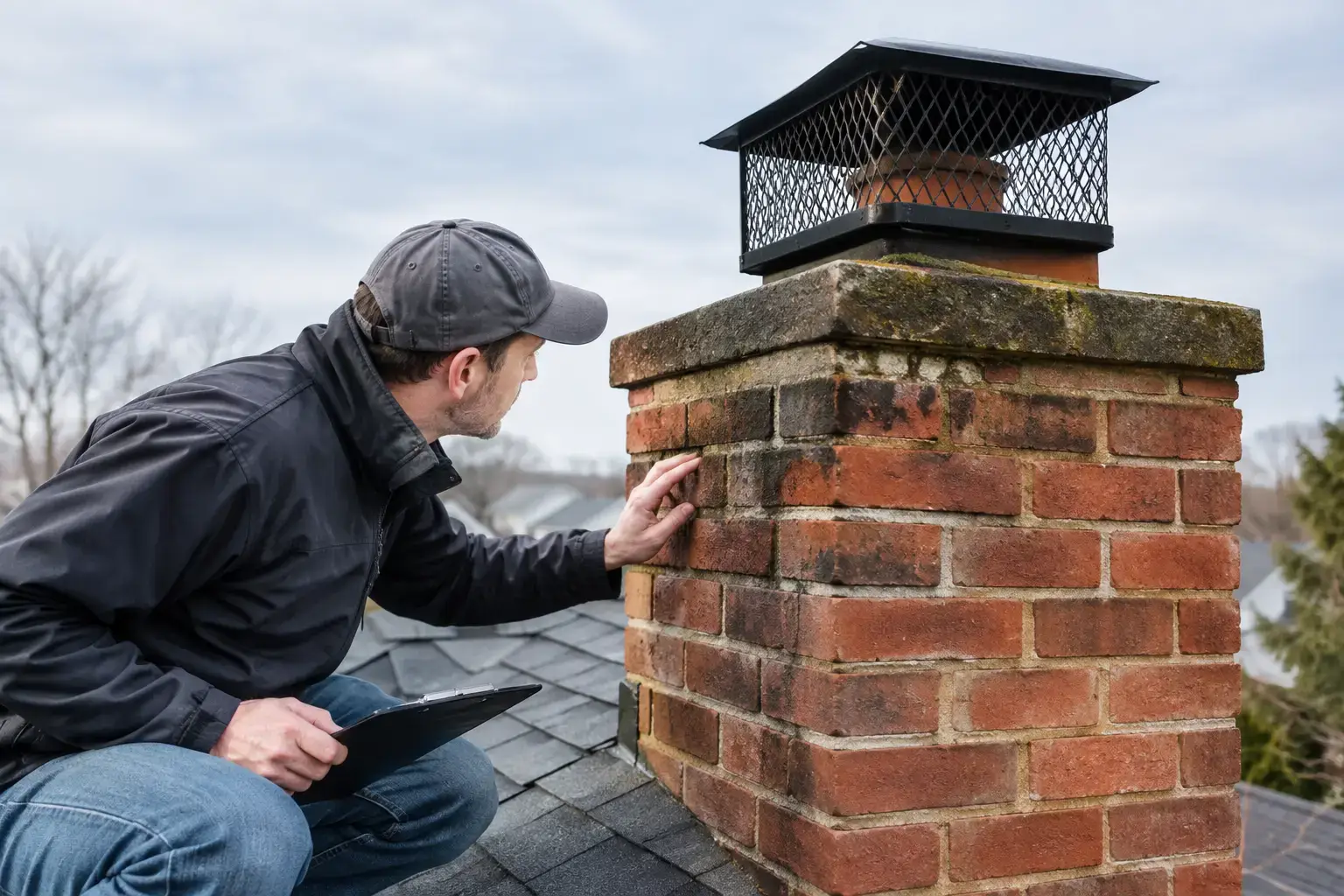
7. Cracked chimney mortar or gaps where flashing meets masonry
Chimneys create several potential leak points because they interrupt the roof surface. Step flashing, counterflashing, masonry joints, and the chimney cricket all need to direct water correctly. Cracked mortar, missing counterflashing, or a visible gap where metal meets brick can allow water behind the system.
Chimney leaks are especially easy to misdiagnose. Water may enter through failing masonry or a deteriorated crown and travel downward, appearing inside as a roof leak. A thorough evaluation should consider both the roof flashing and the chimney structure.
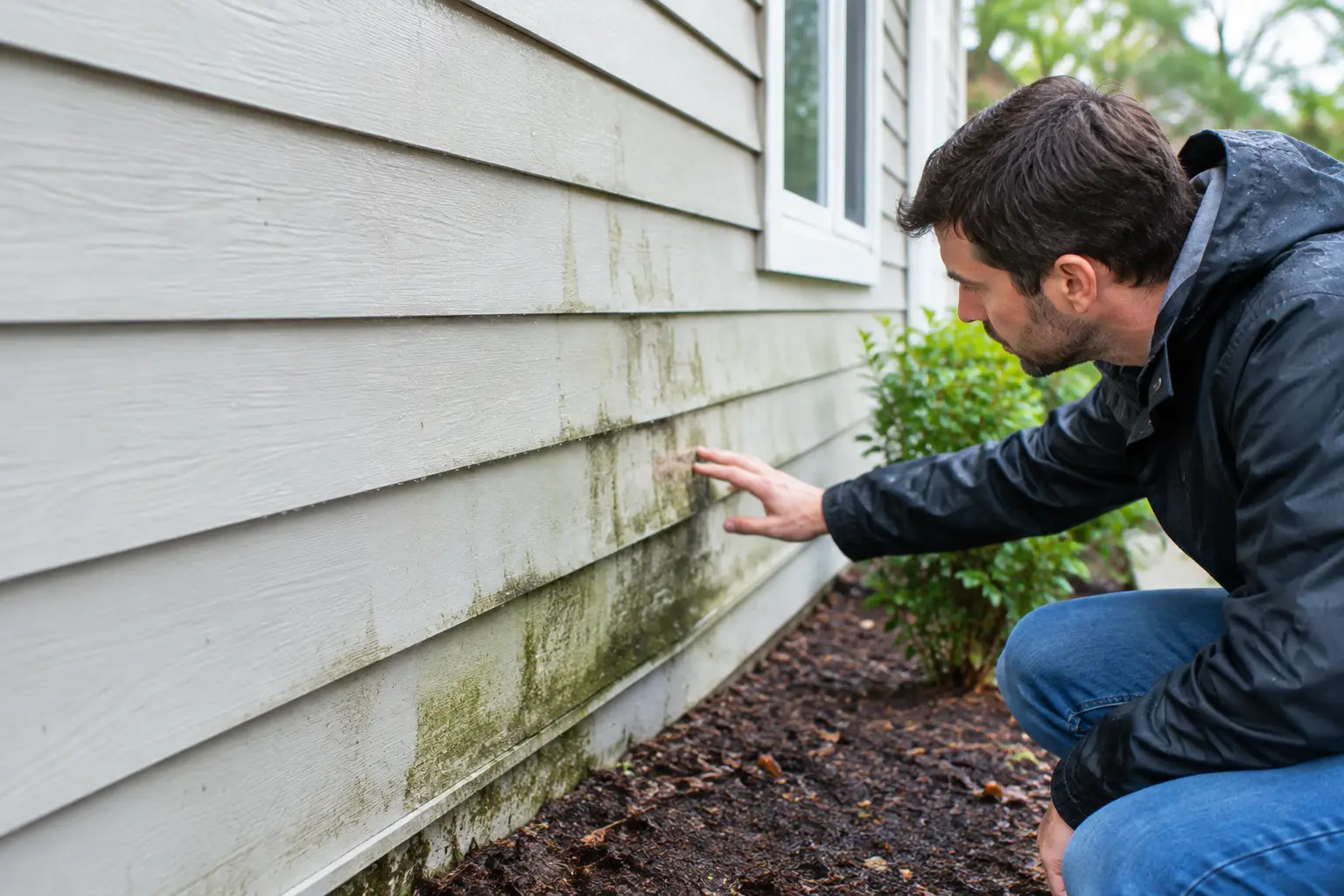
8. Water running behind siding or peeling exterior paint
Flashing is also used where a sloped roof meets a vertical wall. If this roof-to-wall flashing fails, water may get behind siding rather than into the attic. Warning signs include peeling paint, swollen trim, stained siding, or soft wood near the intersection.
Left uncorrected, hidden water can damage sheathing and wall framing. This type of issue often requires coordinated roofing and siding work so the new flashing is properly integrated instead of simply tucked behind damaged materials.
9. Recurring leaks after previous roof repairs
A leak that returns after patching is one of the clearest roof flashing failure signs. Temporary repairs may stop water during light rain but fail when storms bring wind from a different direction. The visible leak location can also be several feet away from where water first enters.
Repeated patching is not always the best value. If flashing details were installed incorrectly, the affected area may need to be opened, rebuilt, and tied back into the surrounding shingles or roofing membrane correctly.
What to Do When You Notice a Problem
Start by documenting what you see. Take photos of interior stains, damaged flashing visible from the ground, or exterior deterioration. Note when the issue occurs, whether it follows heavy rain, melting snow, or wind-driven storms. This information can help a roofing professional trace the source efficiently.
Avoid pressure washing, coating over damaged metal, or applying roof cement as a long-term fix. These approaches can hide the problem, trap moisture, or make a later repair more difficult. If water is actively entering the building, place a container beneath the drip, protect nearby belongings, and call for prompt service.
A qualified contractor should inspect the flashing, shingles, underlayment, roof decking, gutters, chimney masonry, and nearby siding as needed. The goal is to find the source of water intrusion and recommend only the work required to restore a durable, properly layered barrier.
When Flashing Repair Is Enough and When Replacement Makes Sense
A localized repair may be appropriate when the roof is otherwise in good condition and the flashing damage is limited. For example, a loose section of step flashing or a cracked vent boot can often be repaired or replaced without disturbing the whole roof.
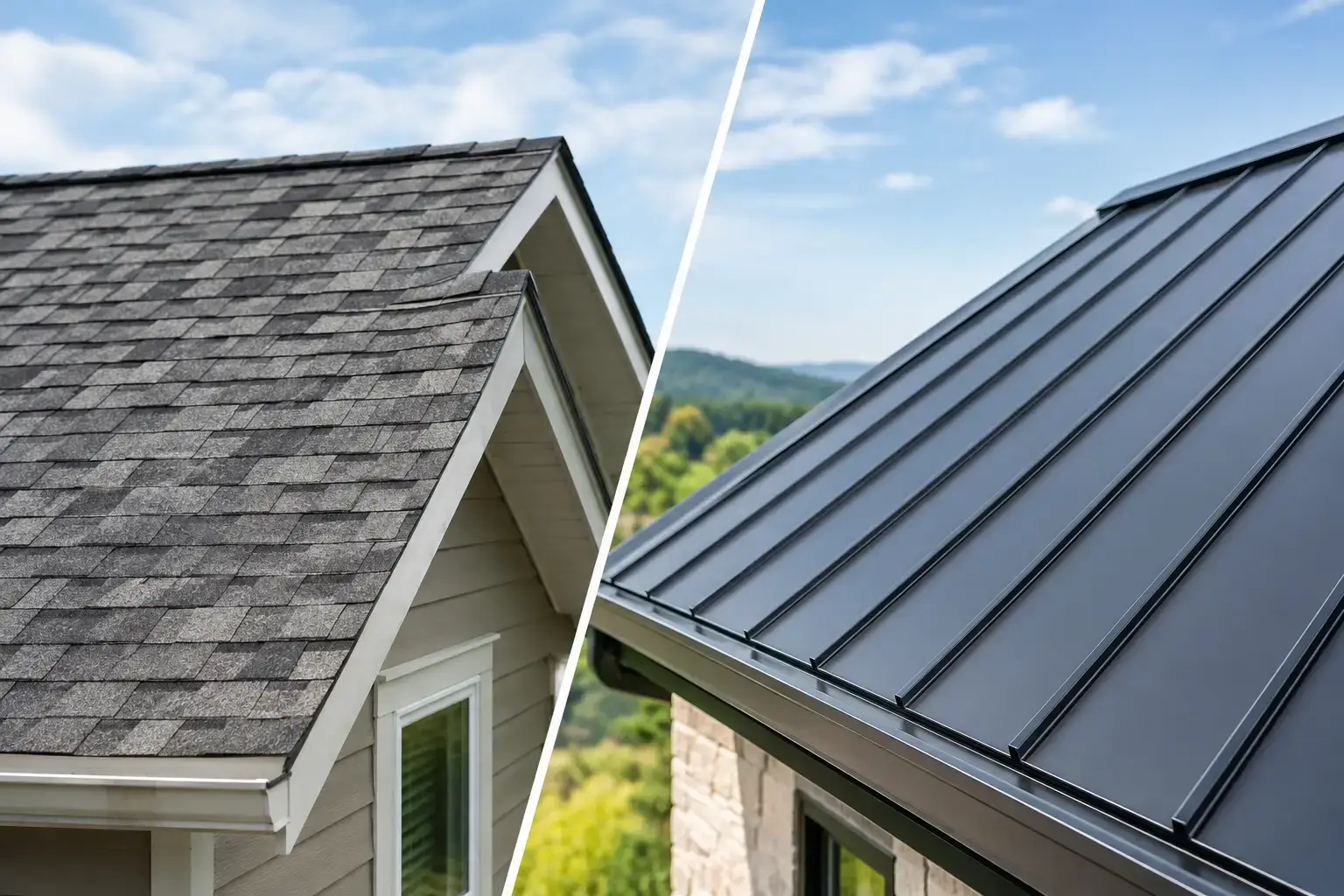
Replacement becomes more likely when flashing is extensively corroded, the roof is near the end of its service life, multiple leaks are occurring, or the original installation was poorly integrated. During a roof replacement, installing new flashing is usually the smarter long-term choice. Reusing old, worn metal can compromise a new roofing system.
Material selection also matters. Aluminum, galvanized steel, copper, and lead-coated products each have different costs, appearances, and compatibility considerations. A professional can recommend an option that suits the roof design, local weather exposure, and surrounding materials.
Water rarely waits for a convenient time to cause damage. If you have noticed staining, loose metal, or a recurring leak, a timely inspection can protect the roof, the interior, and the value of your property. American Supreme Construction can provide a clear assessment and a free estimate for repairs that are built to hold up.
2 Responses