A small water stain near the fireplace can become a much larger problem after one hard New Jersey winter. Chimney repair is not just about restoring curb appeal. A damaged chimney can let water into the roof structure, shed bricks onto walkways, allow smoke or gases to escape where they should not, and put the surrounding masonry at risk.
For homeowners, landlords, and commercial property owners, the safest approach is to address chimney trouble while it is still localized. A clear inspection and repair plan can often prevent a partial rebuild, interior water damage, or an unexpected safety issue during heating season.
Why Chimneys Deteriorate Faster Than Other Masonry
A chimney stands above the roofline with every side exposed to rain, wind, snow, ice, and sharp temperature changes. That exposure is tough on brick, mortar joints, flashing, crowns, and caps. In the Tri-State area, the freeze-thaw cycle is especially hard on masonry. Water enters a hairline crack, freezes, expands, and gradually widens the opening.
Once moisture gets behind the brick face, the damage does not stay visible on the surface. Mortar can loosen, bricks can begin to spall or flake, and water can travel down toward the attic, ceilings, walls, or fireplace opening. Chimneys also move slightly over time as the building settles and materials expand or contract. That is normal to a degree, but existing cracks and failed flashing make the effects more serious.
Age matters, but a newer chimney can also develop problems if the original installation used poor materials, lacked proper water management, or was never maintained. The right repair depends on the actual cause, not simply the most obvious crack.
Chimney Repair Warning Signs to Take Seriously
Not every chimney issue requires a complete rebuild. Still, waiting for loose brick to fall or water to enter the living space is rarely the affordable option. Watch for these signs and arrange a professional evaluation when they appear:
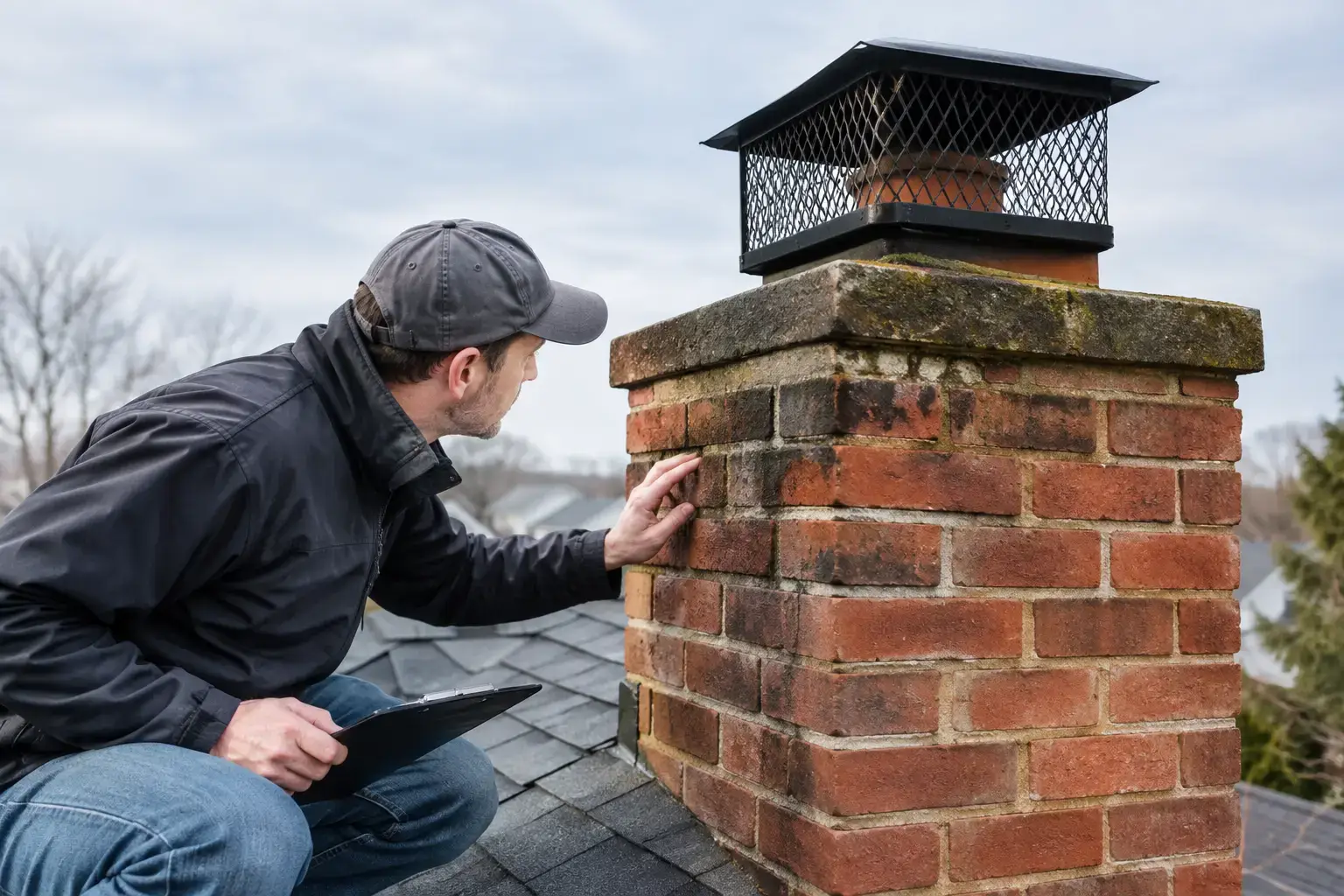
- Cracked, crumbling, missing, or recessed mortar joints between bricks
- Bricks that are flaking, peeling, chipped, loose, or visibly out of alignment
- White, powdery staining on masonry, known as efflorescence, which often signals moisture movement
- Rust on the firebox, damper, chimney cap, or metal flashing around the chimney base
- Water stains, peeling paint, damp insulation, or a musty odor near the fireplace, attic, or upper-floor ceilings
- A leaning chimney, widening gap where the chimney meets the house, or debris collecting around the base
A chimney that leans, has loose masonry, or shows a large structural crack should be addressed promptly. Keep people away from the affected area and avoid using the fireplace until it has been inspected. Surface repairs are not enough when the chimney stack has become unstable.
The Most Common Problems Behind a Failing Chimney
Damaged Mortar Joints
Mortar usually wears out before brick. When joints become soft, cracked, or missing, water can reach the inner portions of the chimney. Tuckpointing or repointing removes failed mortar and replaces it with new mortar suited to the masonry. Done correctly, this restores weather resistance and helps keep surrounding bricks stable.
The trade-off is that repointing only works when the bricks themselves remain sound and the structure is stable. If extensive sections are loose, the chimney may need partial rebuilding instead.
Cracked Chimney Crowns
The crown is the sloped concrete or masonry layer at the very top of the chimney. Its job is to direct water away from the flue and brickwork. A cracked crown can absorb water and channel it directly into the chimney structure.
Small, early cracks may be repairable with the proper materials. A severely deteriorated crown should be removed and rebuilt with a proper slope and overhang. Simply covering a failed crown without addressing loose material underneath can lead to another repair sooner than expected.
Failed Flashing at the Roofline
Flashing is the metal system that seals the joint between the chimney and roof. It is one of the most common sources of chimney-related leaks, yet it is often mistaken for a roof problem or a masonry problem alone. Rust, separated seams, missing sealant, and improperly installed flashing can all allow water into the home.
A reliable repair looks at both systems together. The roofing materials around the chimney, the flashing, and the masonry should be evaluated as one water-management area. Patching only the visible interior stain does not stop the source of the leak.
Missing or Damaged Chimney Caps
A chimney cap keeps rain, leaves, nesting animals, and windblown debris out of the flue. It also helps reduce downdrafts. A damaged, undersized, or missing cap can contribute to moisture damage and blockages that affect fireplace performance.
Cap replacement is generally straightforward, but sizing and attachment matter. A cap should protect the flue without restricting safe ventilation.
Repair or Rebuild: How the Decision Is Made
Property owners understandably want to know whether their chimney can be repaired or needs rebuilding. The answer depends on the condition of the masonry, the location of damage, and whether the chimney is structurally sound.
Targeted repairs are often appropriate when deterioration is limited to mortar joints, the crown, flashing, a cap, or a small section of brick. These repairs preserve sound portions of the chimney and can stop water intrusion before it spreads.
Partial rebuilding may be necessary when the upper courses of brick are badly deteriorated, commonly near the crown and roofline. A full rebuild becomes more likely when the chimney is leaning, has widespread brick failure, shows major separation from the house, or has deteriorated from top to bottom. In those cases, cosmetic patching can create a false sense of security.
An experienced contractor should explain what is damaged, why it failed, which work is necessary now, and what can reasonably be monitored. Clear photos, a written scope of work, and transparent pricing give property owners a better basis for deciding.
What a Professional Chimney Inspection Should Cover
A proper chimney evaluation goes beyond looking at a few visible bricks from the ground. The inspection should assess the chimney crown, cap, flue area where accessible, mortar joints, brick condition, flashing, roof connection, and surrounding signs of moisture.
The contractor should also look for evidence of prior repairs that may be failing. For example, hard patching material applied over damaged mortar can trap moisture or pull away from the original masonry. A fresh coat of paint may temporarily hide cracking without correcting the movement or water entry behind it.
For occupied homes, safety and cleanliness matter as much as the repair itself. Ask how the work area will be protected, how debris will be contained, whether permits are needed, and what workmanship coverage applies. Licensed and insured professionals should be prepared to answer these questions directly.
Avoid Shortcuts That Can Make Damage Worse
Caulking a large masonry crack, applying paint over spalling brick, or packing loose joints with an unsuitable material may seem like a quick fix. These approaches can fail quickly because they do not address moisture, structural movement, or the original condition of the masonry.
Matching mortar is also more important than many people realize. Mortar that is too hard for older brick can cause the brick itself to crack or deteriorate under freeze-thaw pressure. The goal is not merely to make a chimney look new for a few weeks. It is to create a repair that manages water and respects the materials already in place.
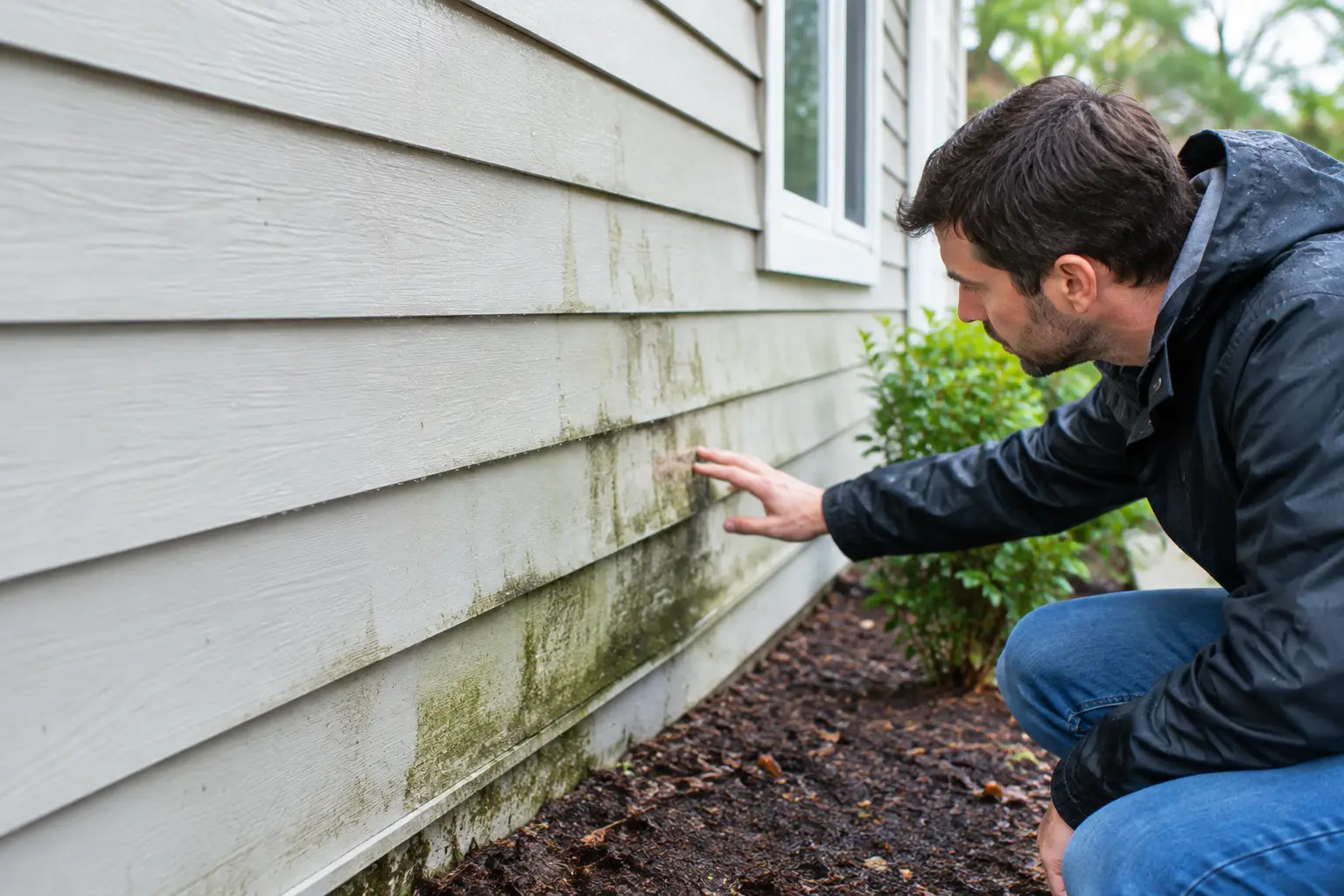
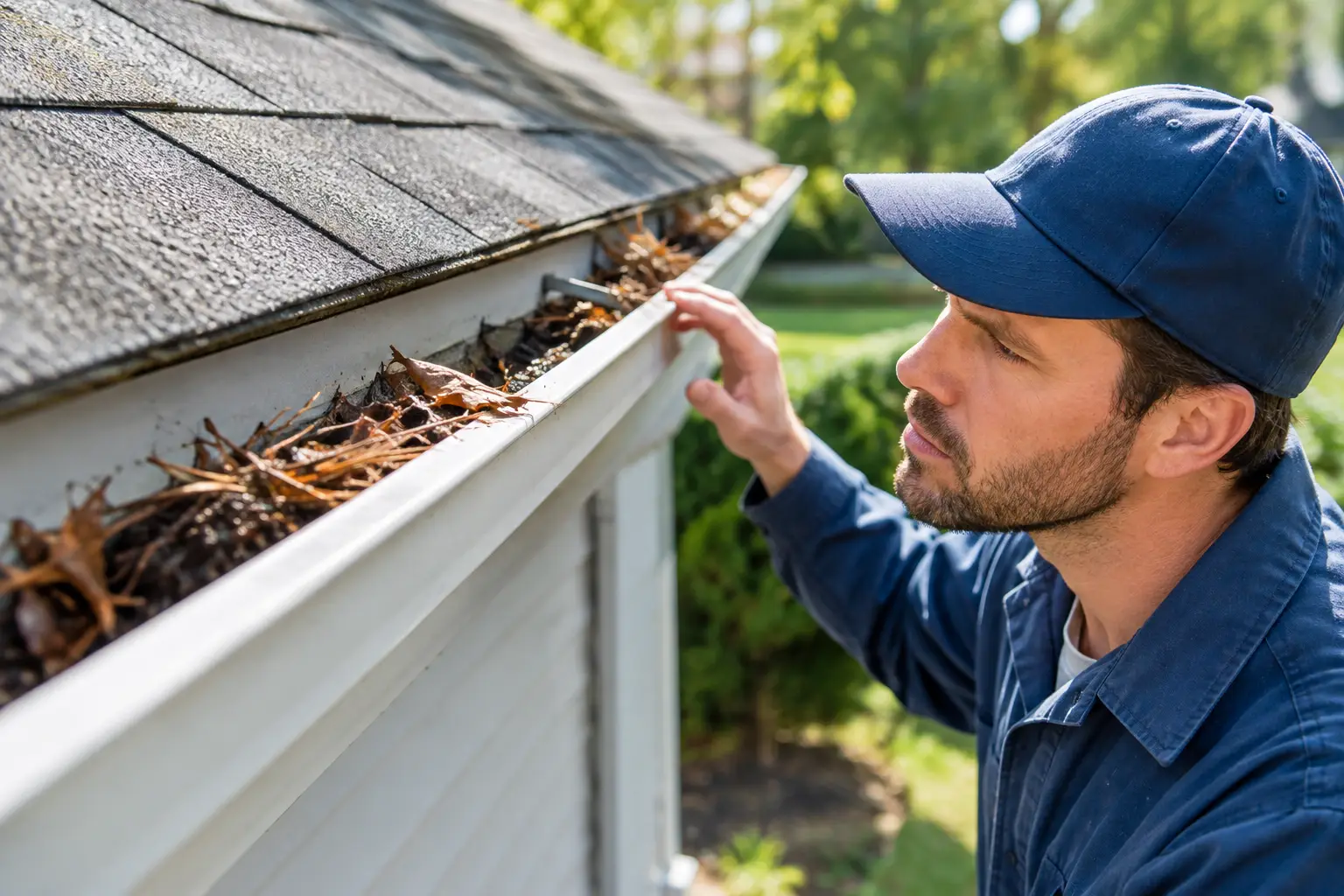
This is also why chimney work should not be treated as a stand-alone cosmetic project when roof leaks, damaged gutters, or failing siding are nearby. Water follows the easiest path. Correcting related exterior conditions can protect the repair and help prevent repeated damage.
Plan Repairs Before the Next Storm Season
Chimney problems are easier to manage when they are discovered during a routine exterior check rather than after water reaches a ceiling or bricks fall onto a driveway. Spring and fall are useful times to inspect for mortar loss, staining, loose caps, and flashing concerns, especially after severe weather.
If you see visible deterioration or suspect a leak, document what you notice and arrange an evaluation before using the fireplace. American Supreme Construction helps property owners understand the condition of their chimney, plan the right level of repair, and protect the surrounding roof and masonry with dependable workmanship.
Your chimney does not need to look severely damaged to deserve attention. A timely inspection, an honest scope of work, and repairs built for local weather can protect the property you have worked hard to maintain.