A new deck should make your property more useful, attractive, and enjoyable – not create years of repairs, safety concerns, or unfinished work. Knowing how to choose a deck contractor starts with looking beyond the lowest price. The right company should have the experience, credentials, planning process, and communication habits to build a deck that performs well through New Jersey summers, heavy rain, snow, and changing temperatures.
A deck is a structural addition to your home or commercial property. It needs proper footings, secure framing, safe railings, appropriate materials, and attention to local code requirements. Choosing carefully before work begins is one of the best ways to protect your investment.
How to Choose a Deck Contractor Before You Sign
Start by confirming that the contractor is properly licensed and insured for the work they perform. A professional deck contractor should be able to explain their credentials clearly and provide proof of insurance when requested. This protects both the property owner and the workers if an accident or unexpected damage occurs during construction.
Experience matters just as much as paperwork. Ask whether the contractor regularly builds and repairs decks, not simply whether they offer deck work among dozens of unrelated services. An experienced exterior contractor understands how deck framing connects to the house, how water should drain away from the structure, and how to recognize rot or structural issues before covering them with new materials.
You should also ask to see examples of completed projects similar to yours. A small ground-level platform, a raised deck with stairs, a multi-level entertainment area, and a commercial entrance deck all involve different planning needs. Photos can help, but a contractor should also be prepared to discuss the materials used, the challenges involved, and how the project was completed safely.
Look for a Detailed On-Site Evaluation
A reliable estimate begins with a real inspection of the property. Be cautious if a contractor offers a firm price without measuring the proposed deck area, reviewing the grade, inspecting the existing structure, or discussing access to the worksite.
During the visit, a qualified contractor should ask how you plan to use the deck. Do you need room for outdoor dining, a grill, children, or a hot tub? Are you replacing an aging deck or building onto a newly renovated home? Do you need privacy screening, lighting, stairs, gates, or a transition to a patio? These questions are not sales talk. They shape the deck’s layout, structural requirements, material selection, and final cost.
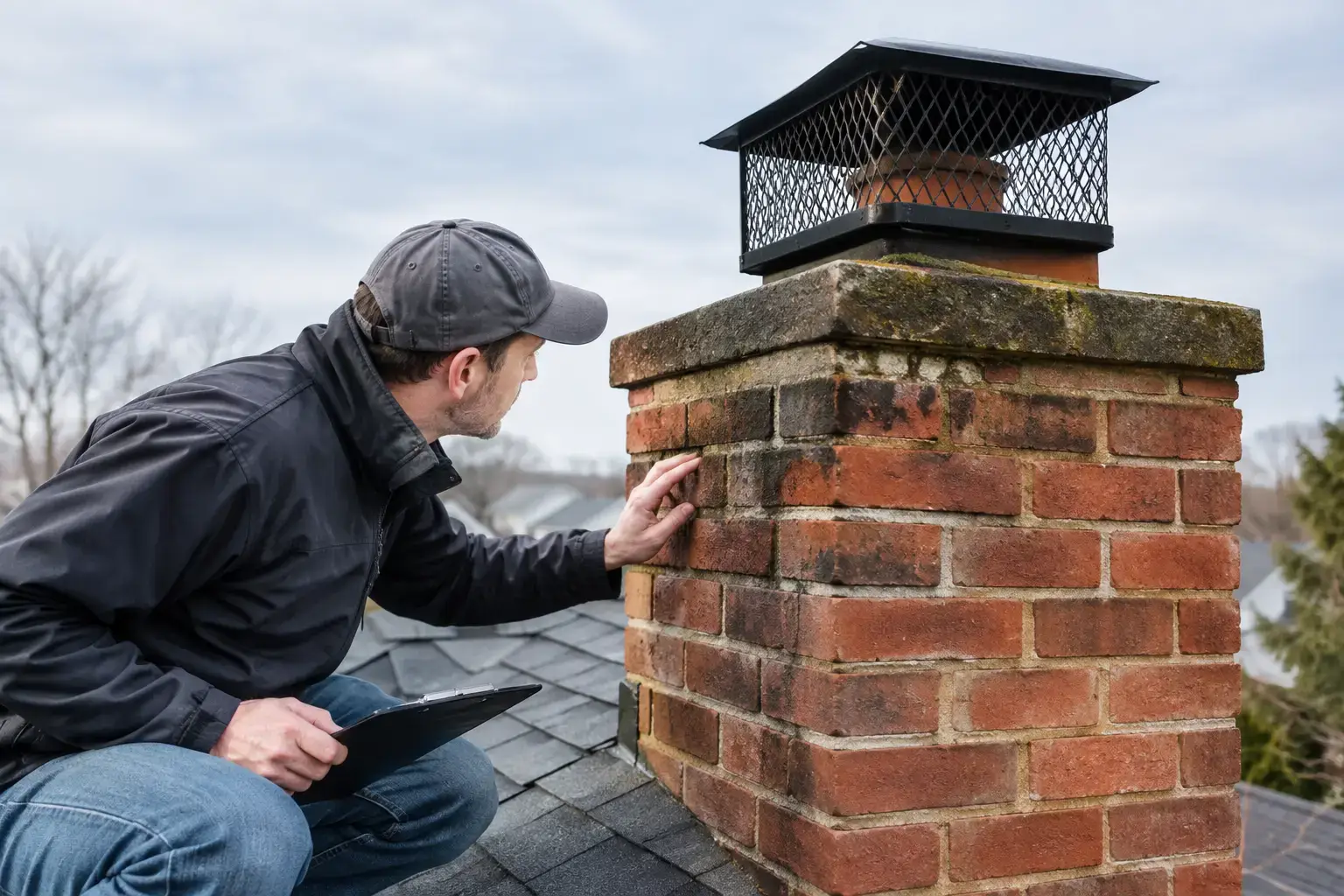
The site evaluation should also account for conditions that can affect the project. Sloped yards may require more extensive footings or retaining work. Older homes may have damaged rim joists or siding near the proposed connection point. A deck built close to a roofline, chimney, foundation, or basement entrance may require careful water management to prevent future leaks.
A contractor who identifies these considerations early is helping you avoid expensive change orders later.
Compare Estimates by Scope, Not Just Price
When reviewing deck estimates, make sure you are comparing the same scope of work. One quote may include demolition, permit handling, footings, framing, decking, railings, stairs, cleanup, and disposal. Another may show a lower total because it leaves out essential work that will be added later.
A clear written estimate should explain what materials will be installed and what labor is included. It should address the deck size, framing approach, decking product, railing type, stair construction, fasteners, finishing details, demolition, debris removal, and anticipated project timeline. If permits are required, the estimate should also make clear who will prepare the paperwork and coordinate inspections.
Do not assume that terms such as “premium decking” or “composite railing” mean the same thing from one contractor to another. Ask for the product manufacturer, color or finish, and any available warranty information. Quality materials are valuable, but proper installation is what allows those materials to last as intended.
The lowest bid is not always the best value. A price that seems unusually low can signal missing structural work, lower-grade materials, inadequate insurance, or rushed labor. At the same time, the highest estimate is not automatically the strongest option. Look for a fair, transparent proposal that explains where your money is going.
Ask the Questions That Reveal Professionalism
The way a contractor answers your questions often tells you more than a sales presentation. A dependable professional should communicate in plain language, explain options without pressure, and be honest when a choice involves a trade-off.
For example, pressure-treated wood can be a practical, budget-conscious choice, but it requires ongoing maintenance and may change in appearance over time. Composite decking generally offers lower maintenance and strong resistance to moisture, but it usually costs more upfront and still needs correctly designed framing and ventilation. Neither option is right for every property or budget.
Before hiring, ask how the contractor handles unexpected issues found during demolition. Ask who will supervise the crew, how long the project is expected to take, and how the property will be protected during construction. You should also understand the payment schedule. Large upfront payments without a defined scope, material plan, or schedule should raise concerns.
A professional contractor should be able to explain jobsite safety and cleanup as well. Deck construction involves excavation, saws, elevated work, heavy materials, and fasteners. Clean work areas, trained crews, and daily debris control help protect your household, tenants, visitors, and landscaping.
Check References and Reputation Carefully
Online reviews can be helpful, especially when they mention details such as communication, punctuality, cleanliness, problem-solving, and follow-through. Read more than the star rating. Look for patterns in what past customers say about how the company handled the project from estimate through final walkthrough.
It is also reasonable to request references for comparable deck work. When speaking with a past customer, ask whether the crew arrived as scheduled, whether the final price matched the written agreement, and whether concerns were handled promptly. If the project was completed several years ago, ask how the deck has held up over time.
No contractor can promise that every construction project will be free of surprises. Weather, hidden damage, permit timing, and material availability can affect a schedule. What matters is whether the contractor communicates early, documents changes, and takes responsibility for resolving issues.
Make Sure Permits and Codes Are Part of the Plan
Many deck projects require permits and inspections, particularly when the deck is attached to a home, elevated above grade, or includes stairs and railings. Requirements can vary by municipality, so never rely on assumptions or informal advice from a neighbor.
A knowledgeable contractor should understand the local process and help you determine what is needed for your project. Permit assistance is especially valuable because drawings, property setbacks, structural details, and inspection scheduling can be time-consuming for property owners.
Code compliance is not just about paperwork. Proper footing depth, ledger attachment, railing height, stair dimensions, and guard spacing all contribute to the safety of the finished deck. A deck that looks good but fails inspection or develops movement under normal use is not a successful project.
Review the Warranty and Final Walkthrough Process
Ask what workmanship coverage the contractor provides and what is covered by the manufacturer versus the installer. Material warranties may cover defects in the product, while workmanship coverage addresses installation-related issues. Get the terms in writing, and ask how service requests are handled after the project is complete.
Before final payment, walk through the deck with the contractor. Check the railing, stairs, boards, transitions, hardware, and surrounding property. Confirm that debris has been removed and that any agreed-upon details are complete. This is the right time to ask questions about cleaning, maintenance, and seasonal care.
For homeowners and property owners across New Jersey and the Tri-State area, American Supreme Construction approaches deck work with the same attention to planning, safety, durable materials, and clear communication expected from any major exterior improvement.
Your deck should feel like a lasting extension of the property, not a compromise made to get the job done quickly. Choose a contractor who inspects carefully, prices transparently, respects your home or building, and stands behind the work long after the last board is installed.