A new deck should feel like an extension of your home, not a construction concern waiting to happen. The deck construction contractor you choose determines far more than the finished appearance. Their planning, material recommendations, structural methods, permit knowledge, and jobsite standards all affect how safely your deck performs through New Jersey summers, winter moisture, and years of everyday use.
For homeowners, landlords, and property investors, the goal is not simply to find the lowest quote. It is to hire a qualified professional who can build an outdoor space that fits the property, follows local requirements, and protects the investment behind it.
What a Deck Construction Contractor Should Handle
A dependable deck contractor does more than assemble boards and railings. They should assess the condition of the home, the grade around the property, access to the work area, drainage conditions, and how the deck will connect to the structure. Those details influence the design before construction begins.
The contractor should also help translate your plans into a practical build. Maybe you want a compact landing outside a back door, a large entertaining area, a multi-level deck, or a replacement for an aging wood structure. Each project calls for different decisions about framing, footings, stairs, railing height, lighting, privacy features, and materials.
For many projects in the Tri-State area, permits and inspections are part of the process. A contractor with local experience should explain whether permits are required, what information must be submitted, and how inspections will be coordinated. Skipping this conversation can create problems when selling, refinancing, insuring, or leasing the property later.
Start With the Condition of Your Property
The best deck projects begin with an honest site evaluation. A contractor should look beyond the surface of the existing deck or the open space where one will be built. If there is an older deck, they should inspect the ledger connection, posts, beams, joists, fasteners, stairs, railings, and signs of rot or movement.
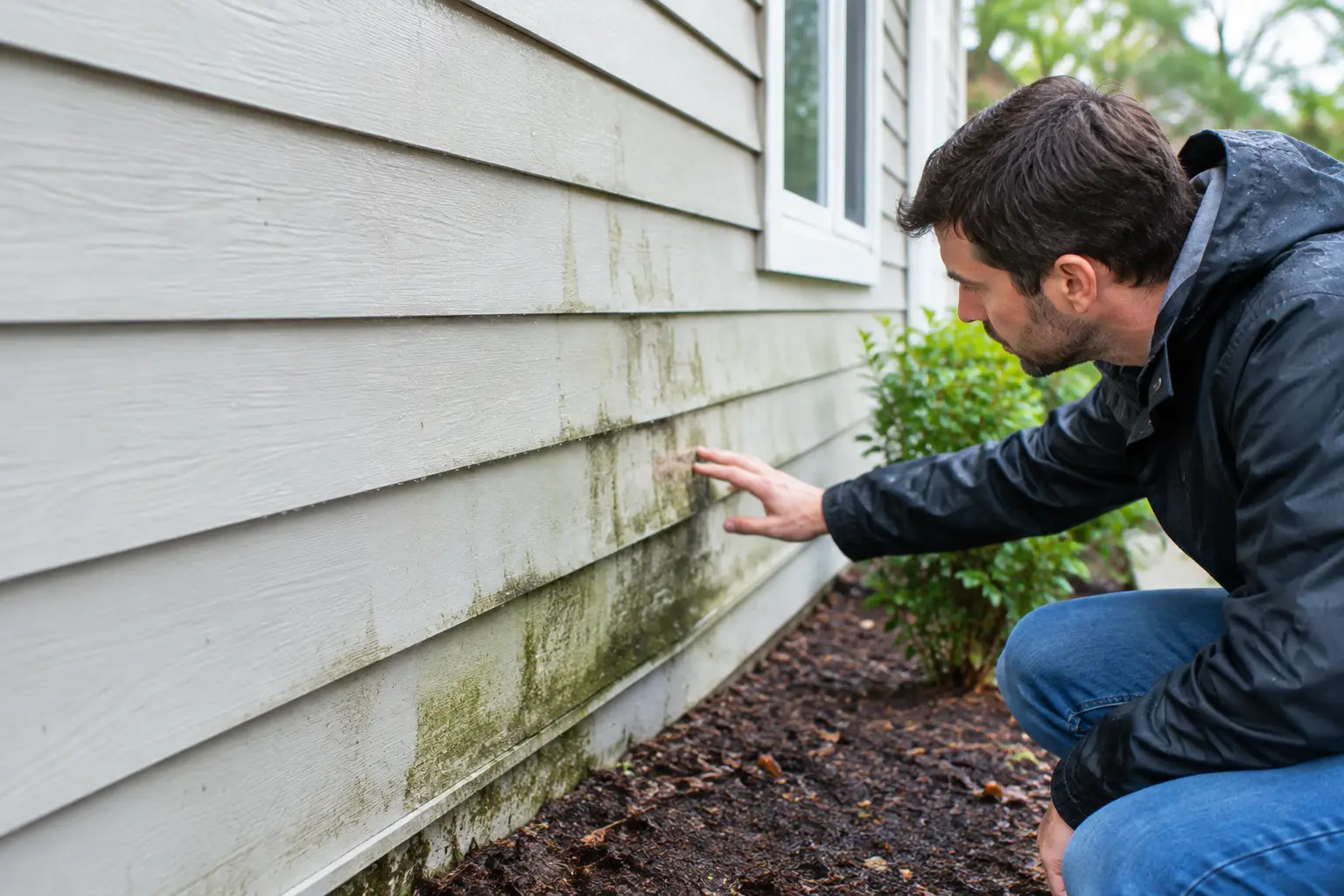
Water management deserves close attention. A beautiful deck will not solve a drainage problem, and poor drainage can undermine footings, create settlement, and leave moisture trapped against the home. On properties with grading concerns, foundation moisture issues, or worn exterior steps, it may be smarter to address those conditions as part of a coordinated exterior improvement plan.
This is also the time to discuss the deck’s purpose. A quiet second-floor balcony has different load, access, and privacy needs than a ground-level deck designed for large gatherings. If you expect to add a grill station, hot tub, pergola, or outdoor kitchen later, say so early. Planning for future weight, electrical needs, and layout is far easier before construction starts.
Choose Materials for Maintenance and Performance
Decking materials should suit the property owner’s expectations, budget, and willingness to maintain the space. There is no single right choice for every home.
Pressure-treated lumber is a familiar and cost-conscious option. When properly installed and maintained, it can provide years of service. It does, however, require regular attention, including cleaning, sealing or staining as appropriate, and checking for splitting, warping, and fastener issues.
Composite decking generally requires less routine maintenance and offers a consistent finished appearance. It can cost more upfront, and product quality varies, so the framing, ventilation, fastening method, and manufacturer requirements still matter. A low-maintenance surface is only as dependable as the structure beneath it.
Natural hardwoods and specialty materials can create a distinctive look, but they may bring higher material costs and specific upkeep requirements. Railings also deserve careful consideration. Wood, metal, cable, composite, and vinyl systems differ in appearance, maintenance, cost, and code compliance. Your contractor should explain the trade-offs clearly rather than pushing one product for every project.
How to Compare Estimates Fairly
A quote that appears lower at first may exclude work that another contractor has already included. Comparing only the final number can lead to surprises once work begins.
Ask each contractor to provide a clear written scope that identifies the proposed deck size, framing approach, decking material, railing system, stairs, demolition, disposal, permits, and cleanup. It should also clarify whether repairs to hidden damage, grading changes, electrical work, or landscaping restoration are included or treated separately.
Material allowances are another area worth reviewing. If an estimate names a general category but not the specific product line, color, railing style, or hardware, ask for clarification. The goal is not to make every estimate identical. It is to understand what you are actually receiving and where costs could change.
A professional estimate should make you feel informed, not pressured. Be cautious if a contractor will not put the scope in writing, cannot explain the structural plan, or asks for a large payment before materials, permits, or scheduling are clearly defined.
Questions to Ask Before You Sign
A conversation with a deck construction contractor should leave you with practical answers. Ask who will perform the work, whether the company is licensed and insured, how long the project is expected to take, and how the crew will protect your home and yard.
You should also ask about the construction details that affect durability. How will the deck attach to the house? What type of footings are proposed? How will the contractor handle flashing, hardware, railings, and stair construction? What happens if they uncover rot behind the existing deck or damage around the door threshold?
Warranty information should be specific. Product warranties and workmanship coverage are not the same thing. A material manufacturer may cover a defect in a board, while the installer’s workmanship guarantee addresses installation-related concerns. Knowing who stands behind each part of the project helps prevent confusion later.
Finally, ask how communication will work during construction. You should know who your point of contact is, when work will begin, how change requests are documented, and when you can expect a final walk-through.
Safety Is Part of Good Craftsmanship
Deck safety is not limited to avoiding a loose board or a shaky railing. It starts below the surface with proper footings, appropriate hardware, sound framing, and secure connections. It continues with correctly built stairs, handrails where required, railing openings that meet applicable standards, and clean transitions at doors and walkways.
Experienced contractors also protect the active jobsite. That means organized materials, safe tool use, clear work areas, and daily attention to debris and exposed hazards. This matters especially at occupied homes, rental properties, and commercial locations where children, tenants, customers, or pets may be nearby.
If an old deck has visible rot, movement, sagging, corroded connectors, or loose railings, do not assume a few replacement boards will solve the problem. Cosmetic repairs may be appropriate when the structure is sound, but a compromised frame can require more extensive rebuilding. A responsible contractor will explain the difference instead of covering up a structural concern.
Know the Warning Signs of a Poor Contractor Fit
Price matters, but it should not be the only signal you use. A contractor may not be the right fit if they avoid questions about permits, provide only a vague verbal quote, cannot show proof of insurance, or offer an unusually fast start without explaining their schedule and process.
Another concern is pressure to make an immediate decision. A deck is a permanent exterior improvement with structural and financial consequences. You deserve time to review the proposal, compare material options, and understand the planned work.
Look for accountability from the first consultation onward. American Supreme Construction approaches deck projects with the same focus used across exterior construction work: clear planning, quality materials, safe installation, responsive communication, and workmanship that homeowners can rely on long after the crew leaves.
Plan for the Years After Installation
Even a well-built deck benefits from routine care. Keep leaves and debris from collecting between boards and around posts, especially during wet seasons. Check railings, stairs, and hardware periodically, and address small concerns before they become expensive repairs.
Wood decks need more frequent maintenance, while composite decks still need cleaning and inspection. Avoid placing planters, rugs, or stored items where they trap moisture for long periods. If your deck connects to the home near a roofline, gutter, or drainage outlet, make sure water is directed away from the structure.
The right contractor will build with these long-term realities in mind. A well-planned deck does not just add square footage outside. It gives your property a safer, more useful place to gather, rest, and enjoy for years to come.