
A damp basement is rarely just a basement problem. Water that finds its way through foundation walls, floor cracks, window wells, or the area where the wall meets the footing can affect stored belongings, finished living space, indoor air quality, and the long-term condition of the structure itself. Basement foundation waterproofing addresses the source of that intrusion so property owners can protect their investment instead of repeatedly cleaning up the symptoms.
For homes and commercial properties across New Jersey and the Tri-State area, water pressure in the soil, heavy rain, snowmelt, aging drainage systems, and changing ground conditions can all contribute to basement moisture. The right repair depends on where the water is entering, how often it happens, and whether the foundation is showing signs of more serious deterioration.
What Basement Water Is Telling You
Water stains along the lower portion of a wall, peeling paint, a musty smell, or white powdery residue on masonry are all signs that moisture is moving through or around the foundation. A puddle after a storm is more obvious, but it is not the only issue worth addressing. Some leaks dry quickly, leaving behind staining or humidity that can still encourage mold growth and damage finishes over time.
Foundation cracks also deserve a closer look. Not every crack means the foundation is failing, and many hairline cracks can be properly sealed. However, cracks that widen, run horizontally, show displacement, or return after repair may point to pressure from saturated soil or settlement that needs a professional evaluation. The goal is not to guess from one visible symptom. It is to identify the water path and correct the condition allowing it.
Common Entry Points
Water can enter through cracks in poured concrete, deteriorated masonry joints, gaps around utility lines, basement windows, and poorly sealed exterior penetrations. It can also collect at the foundation when gutters overflow, downspouts discharge too close to the house, or the grade slopes toward the building.
In many cases, several smaller issues work together. A minor wall crack may become a recurring leak because a clogged gutter is sending roof runoff directly into already-saturated soil beside the foundation. That is why a complete inspection should look beyond the interior wall where water first appears.
Exterior Waterproofing Solves the Cause
When water is consistently pressing against foundation walls from the outside, exterior basement foundation waterproofing is often the most durable solution. This approach involves exposing the affected foundation area, cleaning and preparing the wall, repairing cracks or damaged masonry, applying a professional waterproofing membrane, and improving drainage before backfilling.
The work can be more involved than an interior repair because excavation is required. Landscaping, patios, steps, driveways, or utility locations may affect the scope. Still, exterior waterproofing creates a protective barrier where the water begins, rather than managing it only after it reaches the inside of the structure.
A properly designed exterior system may include a drainage board or protective layer, footing drainage improvements, and clean stone that helps guide groundwater away from the wall. Details matter. The membrane must be compatible with the foundation material, penetrations need careful sealing, and drainage components must have a workable path for discharge.
For a property with recurring seepage, deteriorating foundation masonry, or water entering after every major storm, this level of repair can provide the most complete protection. It also creates an opportunity to inspect concealed foundation surfaces that have not been accessible for years.
When Interior Waterproofing Makes Sense
Interior waterproofing is not automatically a shortcut or an inferior choice. In the right situation, it is a practical way to control water without excavating exterior areas. An interior drainage system typically collects water at the perimeter of the basement floor and directs it to a sump basin, where a pump moves it safely away from the building.
This method is often useful where exterior access is limited, where a finished patio or neighboring structure makes excavation difficult, or where groundwater is rising beneath the slab. It manages water that reaches the interior perimeter and helps keep the basement usable, but it does not stop moisture from contacting the outside of the foundation wall.
The choice between interior and exterior work depends on the building, the source of the water, site conditions, and the owner’s plans for the space. A storage basement with occasional groundwater may need a different solution than a finished lower level with leaking wall cracks. Clear recommendations should explain what the proposed system will do, what it will not do, and why it fits the property.
Sump Pumps Need a Backup Plan
A sump pump is a key part of many interior drainage systems, but it relies on power and proper maintenance. New Jersey storms can bring heavy rainfall and power outages at the same time, which is when a primary pump is most needed.
A battery backup pump, alarm, and properly installed discharge line can add valuable protection. The discharge should carry water far enough from the foundation that it does not simply return to the drainage system. Property owners should also test the pump periodically and keep the basin clear of debris.
Fix Drainage Before It Reaches the Foundation
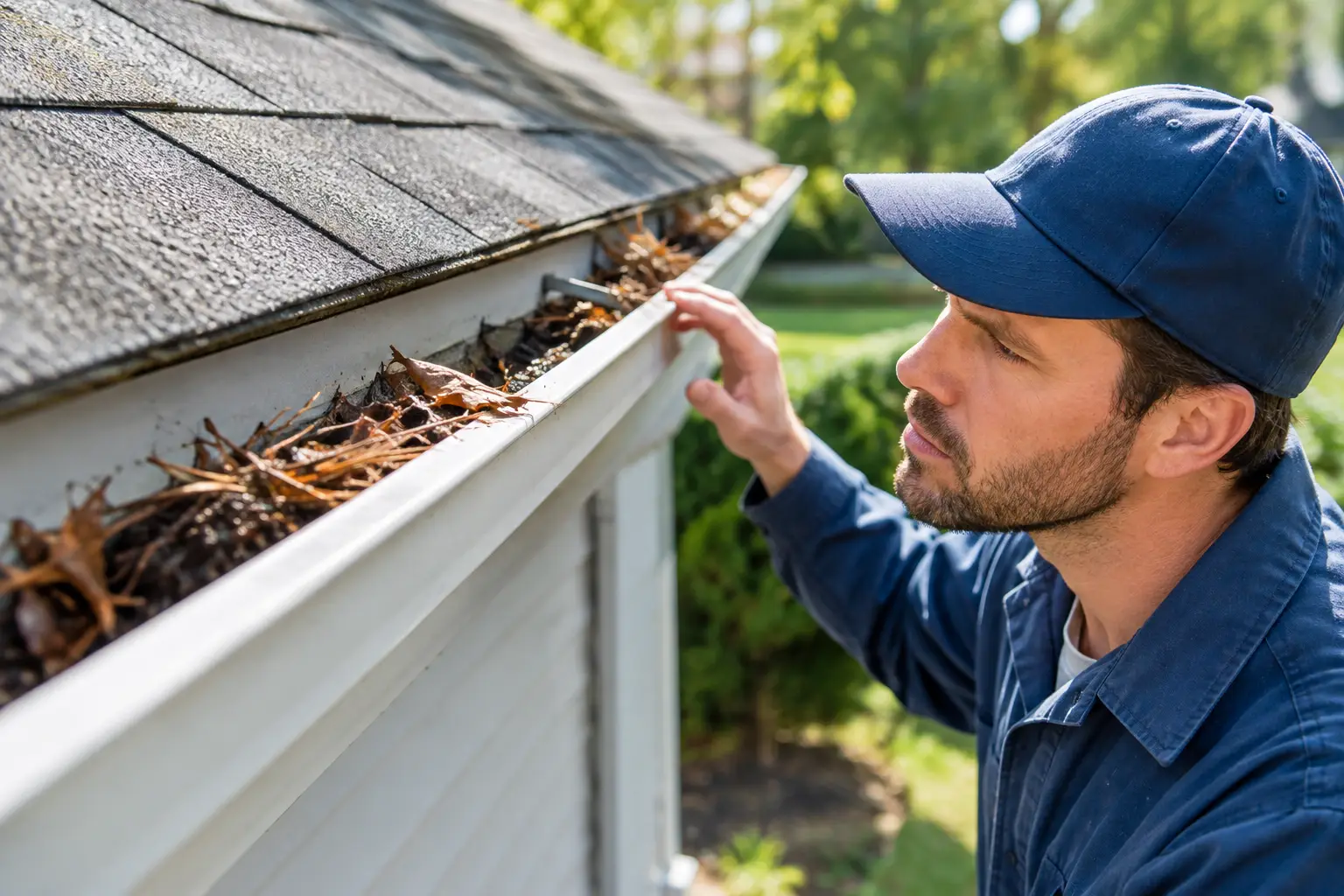
Waterproofing work performs best when roof and surface water are controlled at the exterior. Gutters should be securely fastened, clean, and sized to handle roof runoff. Downspouts should direct water away from the foundation, not release it beside a basement wall or front step.
Grading matters as well. Soil around the building should slope away from the foundation so surface water drains outward. Low spots, settled landscaping, and hard surfaces that pitch toward the home can all send water to the wrong place. Small drainage corrections can make a meaningful difference, especially when combined with crack repairs or a waterproofing system.
Property owners should be cautious about relying solely on waterproof paint or store-bought sealers. These products may improve the appearance of a wall or help with minor dampness, but they cannot relieve hydrostatic pressure or correct failed exterior drainage. If water is moving through cracks or pressing against the wall after storms, surface coating alone is unlikely to provide a lasting answer.
What a Professional Waterproofing Project Should Include
Foundation work affects a major structural part of the property, so the process should be organized from the first inspection through cleanup. A qualified contractor should assess visible damage, water patterns, drainage conditions, and access before recommending a repair. For larger exterior projects, the plan may also account for permits, utility marking, excavation safety, and protection of nearby hardscaping or landscaping.
A transparent estimate should identify the work area, repair method, drainage components, materials, and any conditions that could affect the final scope. Homeowners deserve to know whether the proposal is sealing a specific crack, installing an interior drainage system, excavating and waterproofing exterior walls, or combining several methods.
During construction, clean jobsite practices and careful restoration matter. Excavation and masonry work can be disruptive, but experienced crews plan the work to reduce unnecessary impact and keep the property safe. At American Supreme Construction, our approach is built around clear communication, experienced craftsmanship, premium materials, and workmanship coverage that gives owners confidence in the finished repair.
Do Not Wait for a Bigger Leak
Basement water problems tend to become more expensive when they are left alone. Repeated moisture can damage drywall, flooring, insulation, stored items, and electrical components. In older homes, ongoing seepage can also accelerate deterioration in masonry and create conditions that are harder to correct later.
Call for an inspection when you notice a new leak, damp smell, wall staining, efflorescence, a failing sump pump, cracked foundation surfaces, or water collecting near the exterior walls. Early evaluation does not always mean major construction. Sometimes the right repair is targeted crack sealing and drainage correction. Other times, acting promptly prevents a seasonal leak from becoming a larger foundation and renovation project.
A dry basement starts with an honest diagnosis and a repair plan designed for the property in front of you. Address the water path now, and you can spend the next storm watching the rain instead of checking the basement.
2 Responses